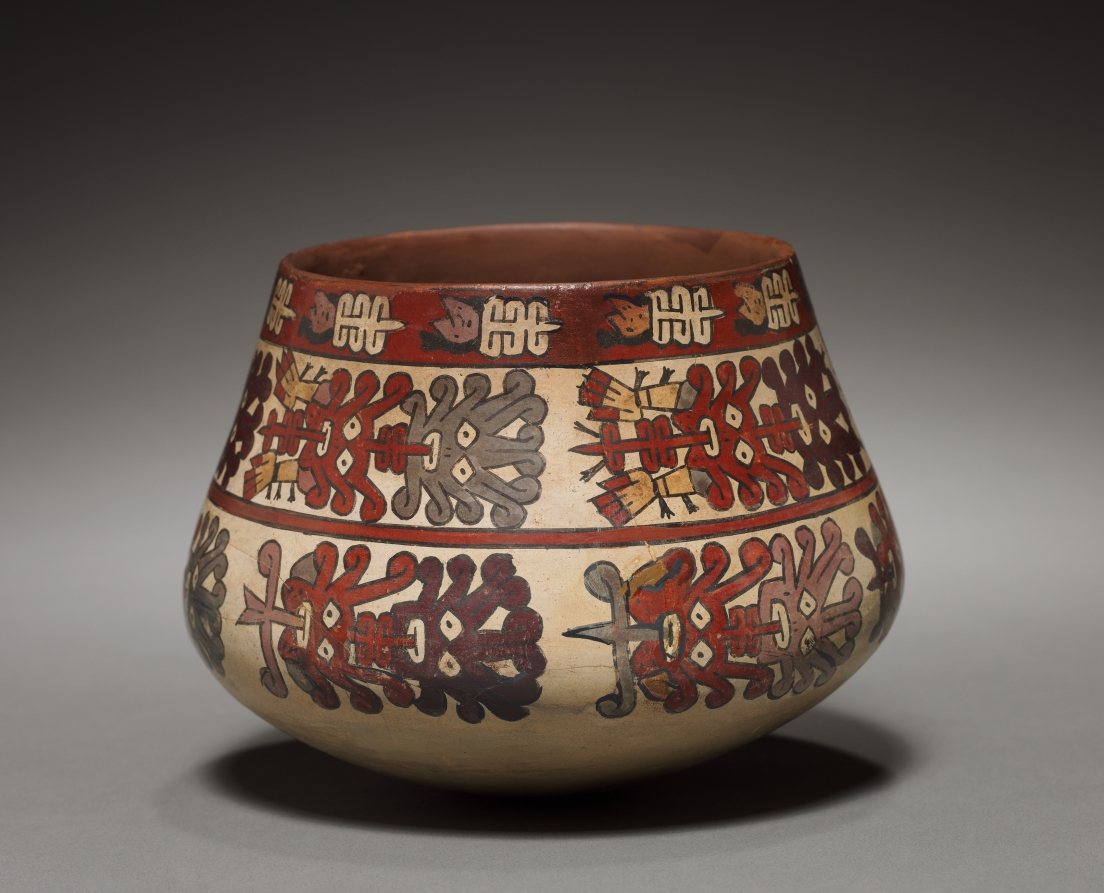
Urban Form: Vessel with Abstract Heads
Executive Summary: The Dialectics of Containment and Release
This Urban Silhouette Research deconstructs the conceptual collision between the Udumbara flower—a symbol of three-thousand-year cyclical stillness—and the baroque violence of The Hunt. For Addison Fashion’s 2026 NYC executive wardrobe, this binary is not an aesthetic indulgence but a functional imperative. The modern urban professional operates within a paradox: the need for impenetrable composure (the temple plaque) and the demand for kinetic decisiveness (the hunt). The resulting silhouette must negotiate between these poles—offering the wearer a garment that is simultaneously a shield of negative space and a weapon of assertive form. This analysis will deconstruct the formal language of both sources and translate them into a technical wardrobe system grounded in Onyx as the primary chromatic field.
Formal Deconstruction: The Vessel as Architectural Metaphor
The subject—a vessel with abstract heads—serves as the foundational geometry. The vessel implies containment, a hollow volume that defines space through its boundaries. In the Udumbara plaque, this containment is expressed through negative space: the flower is not depicted as a fleshy botanical specimen but as a ghostly cluster of white umbels against aged wood. The form is implied, not stated. The vessel, therefore, becomes a void with intention—a shell that holds nothing yet signifies everything. For the 2026 executive, this translates into garments that prioritize interior volume over surface decoration. A structured overcoat with minimal seaming, cut with a subtle A-line from the shoulder, creates a vessel-like presence: the body is the abstract head, the fabric is the vessel’s skin, and the air between them is the sacred emptiness.
Conversely, The Hunt’s formal language is one of explosive diagonals—twisting torsos, flared nostrils, and the violent intersection of predator and prey. Here, the vessel is shattered; form is fragmented into kinetic shards. The abstract heads in this context are not serene icons but contorted masks of exertion. To translate this without literal costume, the silhouette must introduce asymmetric tension: a single-shoulder drape, a sharply angled hem, or a sleeve that pivots from the body’s axis. The challenge is to harness the hunt’s energy through controlled disruption—not chaos, but a calculated imbalance that suggests imminent movement.
Silhouette Architecture: Layered Stillness, Structural Velocity
The 2026 wardrobe must operate on a dual-layer system. The base layer—a high-neck, long-sleeve knit in ribbed Onyx—functions as the Udumbara: it clings to the torso with monastic restraint, its texture mimicking the bark upon which the flower blooms. The knit’s gauge is critical: too loose, and it reads as loungewear; too tight, and it loses the vessel’s hollowness. A mid-weight merino with a 2x2 rib achieves the necessary compression without sacrificing breathability. The outer layer—a deconstructed blazer or a trench with a removable storm flap—embodies the hunt. Its shoulder line is extended by 1.5 centimeters, creating a slight peak that references the raised hackles of a hound. The lapel is notched but cut with an aggressive, almost blade-like point, directing the eye downward in a diagonal sweep. The hem is asymmetrical: longer in the back, shorter in the front, mimicking the forward lean of a runner.
The trouser is where the vessel and the hunt converge. A high-rise, wide-leg silhouette with a single forward pleat—the pleat is not decorative but functional, allowing for a full stride without breaking the line. The fabric is a wool-cashmere blend with a matte finish, absorbing light rather than reflecting it, echoing the plaque’s aged wood. The cuff is raw-edged, left unhemmed to suggest a state of becoming, not completion. This is the abstract head: the wearer’s lower body is a column of quiet power, while the upper body carries the tension of the hunt.
Chromatic Field: Onyx as the Nexus of Absence and Intensity
Onyx is not a color; it is a material condition. Unlike black, which can read as flat or funereal, Onyx possesses a geological depth—a faint, internal shimmer that surfaces only under direct light. This aligns perfectly with the Udumbara’s strategy of 化虚为实 (transforming emptiness into substance). The flower is white, but its presence is defined by the dark wood behind it. In our wardrobe, Onyx serves as the ground, while the skin and any minimal accent—a silver zipper, an ivory stitch—serve as the figure. The palette is monochromatic, but the tonal variation is achieved through texture contrast: a matte Onyx shell over a semi-lustrous Onyx base, or a brushed Onyx knit against a smooth Onyx twill.
The Hunt, in its original form, is saturated with blood reds and ochre sunsets. To translate this into a minimalist executive context, we must suppress chroma while retaining intensity. This is achieved through chromatic compression: the red is not eliminated but distilled into a single, strategic accent—perhaps a deep burgundy lining inside the blazer, visible only when the wearer removes the jacket or turns a cuff. This hidden flash of color is the hunt’s pulse, contained within the vessel. It is not decoration; it is a functional signal—a reminder that beneath the stillness, there is a capacity for ferocity.
Material Logic: From Bark to Hide
The Udumbara plaque’s materiality is one of aged, porous surfaces—wood that has absorbed centuries of incense smoke. Our fabrics must replicate this patina through dry-hand finishes. A wool flannel with a brushed face offers the softness of moss on bark, while a technical cotton with a waxed coating provides the resistance of weathered timber. The Hunt’s materiality is one of flesh and fur—tactile, warm, and alive. We translate this through leather accents: a leather collar on a wool coat, leather-bound buttons, or a leather waistband on trousers. These are not luxury flourishes but structural anchors, grounding the garment’s movement and providing a counterweight to the fabric’s fluidity.
Application to the 2026 NYC Executive: The Daily Dialectic
The New York executive operates in a landscape of compressed time and amplified stimuli. The morning commute is a hunt—a scramble for space, a negotiation of pace. The afternoon meeting is a temple—a demand for stillness, for the projection of unshakeable calm. The wardrobe must shift between these modes without a costume change. The solution is a modular system: the overcoat can be worn open (hunt) or closed (vessel); the blazer’s inner lining can be exposed by rolling the sleeves (hunt) or hidden by keeping them long (vessel). The trousers’ pleat allows for a sprint to a cab, while the high rise maintains a composed line when seated at a boardroom table.
The abstract heads—the wearer’s face, hands, and posture—become the focal point. The garment’s minimalism ensures that the individual’s expression is not overwhelmed. In this sense, the wardrobe is a negative capability: it does not assert but enables. The Onyx palette recedes, allowing the wearer’s skin tone, hair, and gestures to emerge as the primary visual event. This is the ultimate luxury—the ability to be present without the noise of adornment.
Conclusion: The Aesthetic of the In-Between
The Udumbara and The Hunt are not opposites but complementary extremes of the same spectrum—the spectrum of human attention. One demands inward focus; the other demands outward action. The 2026 Addison wardrobe does not choose between them; it oscillates, offering the wearer a tool to modulate their presence in real time. The vessel with abstract heads is the perfect metaphor: it is a container that holds the potential for both silence and violence, emptiness and fullness. In Onyx, this potential is rendered with the gravity of stone and the fluidity of shadow. This is not fashion; it is strategic armor for the urban condition—a condition that requires one to be both the flower and the hunter, often within the same hour.