Urban Form: Hoyshaleshvara Temple Sculpture, Halebidu (Halebeedu)
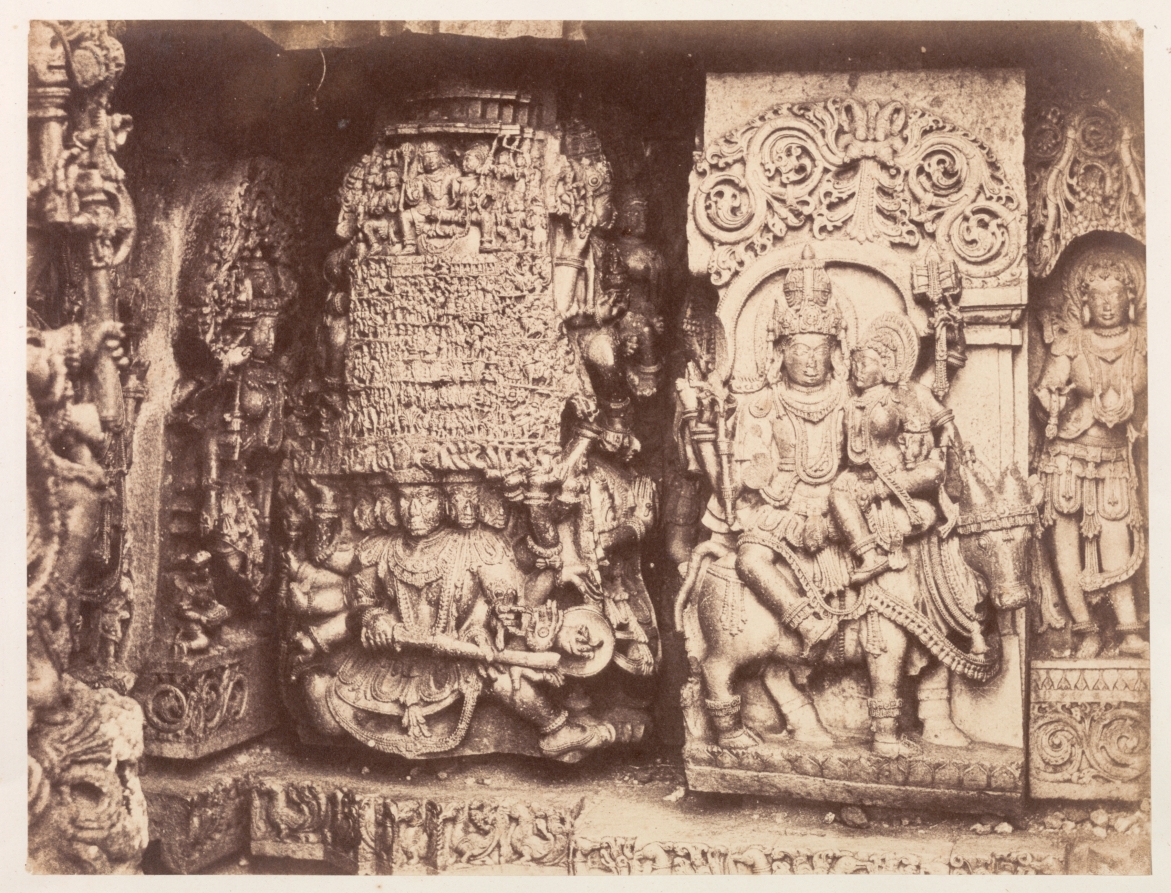
Technical Deconstruction: Hoyshaleshvara Temple Sculpture as Urban Silhouette Archetype
The Hoyshaleshvara Temple at Halebidu presents a formidable case study in the dynamic interplay between mass, void, and surface narrative. For the 2026 executive wardrobe, its architectural and sculptural principles offer a blueprint for achieving authoritative presence through controlled fluidity, rather than rigid structure. The temple's celebrated kinetic stillness—where intricately carved figures and deities appear in perpetual, rhythmic motion despite being hewn from solid stone—directly informs our core silhouette philosophy. This is not the fluidity of drapery or languid lines, but a structured fluidity where movement is implied through precise cuts, strategic seam placement, and the interaction of the garment with the body in motion. The silhouette rejects the static, boxy forms of traditional power suiting, proposing instead a form that suggests capability and momentum even in repose, much like the deities frozen mid-dance on the temple's exterior.
Formal Analysis: The Architecture of the Silhouette
Our deconstruction focuses on three primary elements: the treatment of surface, the relationship between core and periphery, and the articulation of form through negative space.
Surface as Narrative vs. Minimalist Canvas: The temple walls are a dense tapestry of narrative sculpture, yet from a distance, they read as a complex, textured monolith. This translates to a fabric philosophy where macro-minimalism meets micro-texture. The 2026 silhouette utilizes fabrics with inherent, sophisticated textural narratives—fine wool crepes with a subtle grain, high-twist yarns that create a shadowy surface depth, technical matte jerseys with a dense hand-feel. From a distance, the garment presents a clean, monolithic slab of color (our foundational Slate). Upon closer inspection, the surface reveals a tactile, non-verbal narrative of quality and consideration, eliminating the need for overt pattern or adornment.
Core-to-Periphery Tension: The temple's garbhagriha (sanctum) is a solid, anchored core, from which energy radiates outward through mandapas (halls) and finally explodes into the frenetic detail of the exterior walls. In silhouette construction, this is mirrored in a precisely calibrated fit-and-flare doctrine. The core—the shoulders, chest, and upper back—is defined with exacting, minimalist tailoring, creating a stable architectural anchor. From this stable core, the garment evolves. A single-seam trouser exhibits a slight, engineered flare from the knee, not for volume but for directional flow. A coat’s panels are cut to allow a controlled, parabolic sweep from the shoulder blade, creating a sense of latent kinetic energy without excess fabric. The periphery is where controlled movement lives.
Articulation Through Void (Negative Space): The deep recesses and shadows between the temple's sculptures are as critical to its impact as the stone itself. In our silhouette, this is engineered through strategic seam displacement and functional venting. A dress’s side seam is rotated 15 degrees forward, creating a sliver of shadow that follows the body's natural torsion. Jacket vents are not mere afterthoughts but are elongated and internally weighted to open into clean, geometric gaps during movement. These considered voids break the silhouette into dynamic panels, emphasizing the body's articulation points—the clavicle, the scapula, the wrist—and creating a play of light and shadow that defines the form as much as the cloth itself.
Color & Materiality: The Slate Monolith
The designated color, Slate, is not a mere hue but a material condition. It references the weathered, complex gray of the temple stone—a color that absorbs and re-emits light with sophistication, never flat, never shouting. It is the ultimate urban neutral, possessing a cool, intellectual authority that aligns with the MBA-level executive’s need for non-reactive professionalism.
This Slate is executed in materials that enhance its dimensional quality. Matte-finish technical wools provide a base, absorbing light to create a solid, grounded visual mass. Contrast is introduced through luster-controlled finishes—a subtle sheen on a precision-twist silk blouse, a waxed cotton with a low reflective index, or a brushed metal accessory. The goal is to replicate the way light grazes the carved ridges of the temple, creating highlights and depths without sparkle or shine. The overall material palette is monochromatic yet polymaterial, building a wardrobe where every piece interacts with light differently, yet coheres into a single, powerful statement of nuanced authority.
Informing the 2026 NYC Executive Wardrobe
The resulting 2026 wardrobe is a system of kinetic armor. It is designed for the executive who navigates between the glass-and-steel canyons of Manhattan and the global virtual boardroom with equal fluency.
Key Pieces & Their Function: The foundational item is the Core-Fluid Blazer, cut with a stabilized shoulder and internal rigging that allows the back to articulate freely, creating a clean, unbroken drape from the neck to a subtly flared hem. It is paired with the Articulated Taper Flare Trouser, which maintains a sharp line from hip to knee before releasing, facilitating a powerful, uninterrupted stride. The Monolith Dress employs diagonal seam architecture and a high-neck, sleeveless silhouette to create a column of Slate that is both severe and fluid, its movement dictated by the body within. Outerwear consists of the Parabolic Coat, a long-line garment where the seam structure literally follows parabolic curves, sweeping away from the body to create a commanding, aerodynamic profile.
The Executive Impact: This wardrobe moves beyond representing power to embodying kinetic intelligence. It communicates that the wearer is not static; they are a force in calibrated motion. The Slate palette ensures seamless integration and a focus on form, while the fluid, architectural cuts signal modernism, strategic flexibility, and a profound understanding of how form influences perception. It is a wardrobe for building empires, not just occupying offices—a direct sartorial translation of Hoyshaleshvara’s eternal, dynamic stone.