Urban Form: Bowl
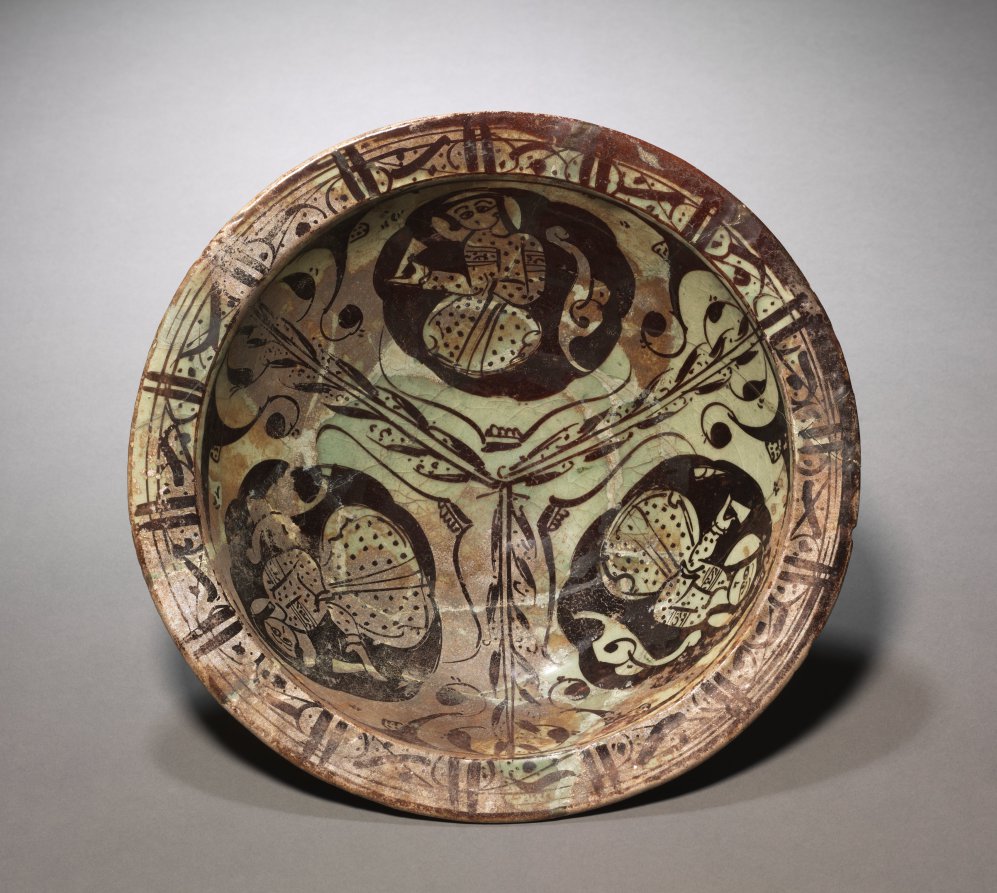
I. The Bowl as a Dialectical Object: From Ritual Vessel to Urban Armature
The bowl—in its most reductive architectural reading—is a study in containment and release. Unlike the vertical thrust of a column or the planar assertion of a wall, the bowl proposes a concave logic: it holds, it shelters, it defines an interior void. In the context of Addison Fashion’s 2026 executive silhouette, the bowl is not a literal garment shape but a generative principle. It is the negative space that sculpts the positive form, the hollow that gives the exterior its tension. The two artifacts cited—the fractured mold fragment with musicians and the horizontal coffin panel—offer a dual grammar for this principle. The mold fragment is the bowl’s broken genesis: its jagged edges, truncated figures, and raw reverse side speak to a form caught mid-becoming. The coffin panel is the bowl’s resolved cosmology: its repetitive, symmetrical frieze imposes order on the void, transforming containment into ceremony. For the urban executive, this dialectic translates into a silhouette that is simultaneously incomplete and monumental—a garment that refuses closure, yet commands presence.
1. The Mold Fragment: Structural Poetics of the Unfinished
The mold fragment’s beauty lies in its negative capability. The musicians, carved in relief, are not finished figures; they are arrested in a state of emergence, their instruments half-sounded, their postures compressed by the fragment’s broken boundary. This is not a flaw but a structural choice. In the 2026 executive silhouette, this translates to garments that deliberately expose their construction—raw seams, asymmetrical hems, exposed interfacing, and unlined panels that reveal the internal architecture. The bowl’s concave interior becomes the garment’s unseen layer: a hidden pocket, a draped cowl, a folded understructure that adds volume without visible support. The urban materiality here is concrete and tactile: heavyweight wool, bonded cotton, and technical canvas that hold their shape even when cut away. The silhouette does not end at the hem; it trails into a suggestion of what could have been—a sleeve that stops mid-forearm, a collar that folds back on itself, a shoulder that slopes into a deliberate void. This is the poetics of the fragment applied to the body: the executive is not dressed in a finished garment but in a living mold, one that invites the wearer to complete the form through movement.
2. The Coffin Panel: Geometric Integrity and the Repetitive Frieze
In stark contrast, the coffin panel offers a closed system of order. Its horizontal bands, repeated mythical beasts, and measured intervals create a rhythm that is both hypnotic and authoritative. This is the bowl’s other face: not the broken vessel but the perfectly calibrated container. For the 2026 executive silhouette, this translates into garments that deploy strict geometric seams—sharp lapels, parallel topstitching, and paneling that divides the body into deliberate zones. The color slate, chosen for this analysis, reinforces this logic: it is a hue of urban twilight, neither black nor grey, but a mutable neutral that absorbs and reflects light in equal measure. The silhouette here is oversized but not amorphous: a coat that falls in a clean A-line, its width controlled by internal darts and a single, decisive closure. The bowl’s curvature is echoed in the garment’s shoulder roll—a subtle, almost imperceptible arc that softens the otherwise rigid geometry. The coffin panel’s repetition finds its analogue in repeated functional details: multiple pockets, layered plackets, and adjustable straps that create a visual cadence across the torso. This is not decoration but structural rhythm, a way of guiding the eye across the body as if reading a sacred text.
II. The Interstitial Void: Between Fragment and Frieze
The profound insight of the two artifacts is their shared reliance on the gap. The mold fragment’s broken edges create negative space that activates the viewer’s imagination; the coffin panel’s intervals between figures allow the eye to rest, to breathe, to anticipate the next motif. In the 2026 executive silhouette, this interstitial logic is expressed through strategic cutouts, vented backs, and floating panels. A coat may have a solid front but an open back, its interior lining exposed as a flash of slate-toned silk. A jacket may feature a detached sleeve, held in place by a single strap, creating a deliberate gap between arm and torso. These voids are not accidental; they are engineered pauses in the garment’s narrative, allowing the wearer to assert individuality within a system of restraint. The urban materiality of this approach is layered and breathable: mesh underlays, perforated leather, and double-faced fabrics that reveal their inner structure only in motion. The bowl’s concave logic becomes the body’s second skin—not a shell but a series of articulated planes that respond to the wearer’s gesture.
3. Materiality as Memory: Slate, Canvas, and the Weight of Time
The color slate is not merely a hue; it is a material memory. It evokes the patina of aged stone, the coolness of a city sidewalk after rain, the muted tone of a skyline seen through haze. In the 2026 executive silhouette, slate is applied to fabrics that carry their own history: brushed flannel, compacted twill, and waxed cotton that develop a sheen with wear. The mold fragment’s raw clay and the coffin panel’s polished wood find their urban equivalents in unfinished edges and burnished finishes. A jacket may have a raw hem that frays slightly, echoing the mold’s broken contour. A trouser may feature a pressed crease that never fully sets, recalling the panel’s repetitive yet imperfect hand. The bowl’s interior—its hidden concave—is mirrored in interior pockets, hidden plackets, and concealed closures that reward the wearer’s touch. This is not nostalgia but material intelligence: the garment knows its own construction, and it wears that knowledge as a form of quiet power.
III. The 2026 Executive Silhouette: A Synthesis of Rupture and Ritual
The definitive urban silhouette for 2026 is not a single shape but a dialectical resolution. It is oversized in its overall volume, yet disciplined in its internal geometry. It borrows the mold fragment’s unfinished vitality and the coffin panel’s ceremonial order, fusing them into a garment that is both armor and invitation. The coat is the primary canvas: a long, sweeping form in slate-toned wool, its shoulders slightly dropped, its sleeves cut with a deliberate fullness that tapers at the wrist. The front is clean, almost severe, with a single hidden closure. The back, however, is a study in fragmentation: a series of overlapping panels that shift with movement, revealing glimpses of a contrasting lining—perhaps a deep onyx or a muted silver. The trousers are equally dialectical: wide-legged but anchored by a high waist and a sharp pleat, their hem grazing the shoe without pooling. The overall effect is one of controlled monumentality, a silhouette that occupies space without aggression, that commands attention without shouting.
4. Styling Directives: The Executive as Curator of Void
For the Addison Fashion client, the 2026 silhouette is not worn but curated. The bowl’s logic demands that the wearer engage with the garment’s gaps and intervals. A single piece—the oversized coat—becomes the centerpiece, styled with minimal underlayers: a fine-gauge knit in ivory, a silk blouse in sand. Accessories are architectural and sparse: a leather belt with a brushed metal buckle, a structured tote in matching slate, footwear that is either sharply pointed or softly rounded, never both. The hair is pulled back, the makeup neutral, the posture upright. The executive does not fill the garment; the garment frames the executive, creating a dialogue between the body’s organic curves and the fabric’s engineered planes. The result is a presence that is both temporal and eternal—a nod to the mold fragment’s fleeting music and the coffin panel’s enduring geometry. In this silhouette, the bowl is no longer a vessel for offerings; it is a portable architecture, a sanctuary of slate-toned calm in the chaos of the urban grid.
IV. Conclusion: The Bowl as a Model for Modern Restraint
The bowl, in its dual manifestation as broken mold and ordered panel, offers a complete aesthetic system for the 2026 executive. It teaches that beauty is not a fixed state but a tension between rupture and resolution. The oversized silhouette, rendered in slate, embodies this tension through its generous volumes and precise cuts, its exposed seams and hidden pockets, its raw edges and polished closures. The wearer is not a passive recipient of style but an active participant in its construction, completing the garment’s meaning through each gesture and pause. This is the definitive urban silhouette: not a trend but a philosophy of dress, one that honors the fragment’s breath and the frieze’s discipline, and in doing so, creates a new language of power for the modern city.