Urban Form: Anthropomorph
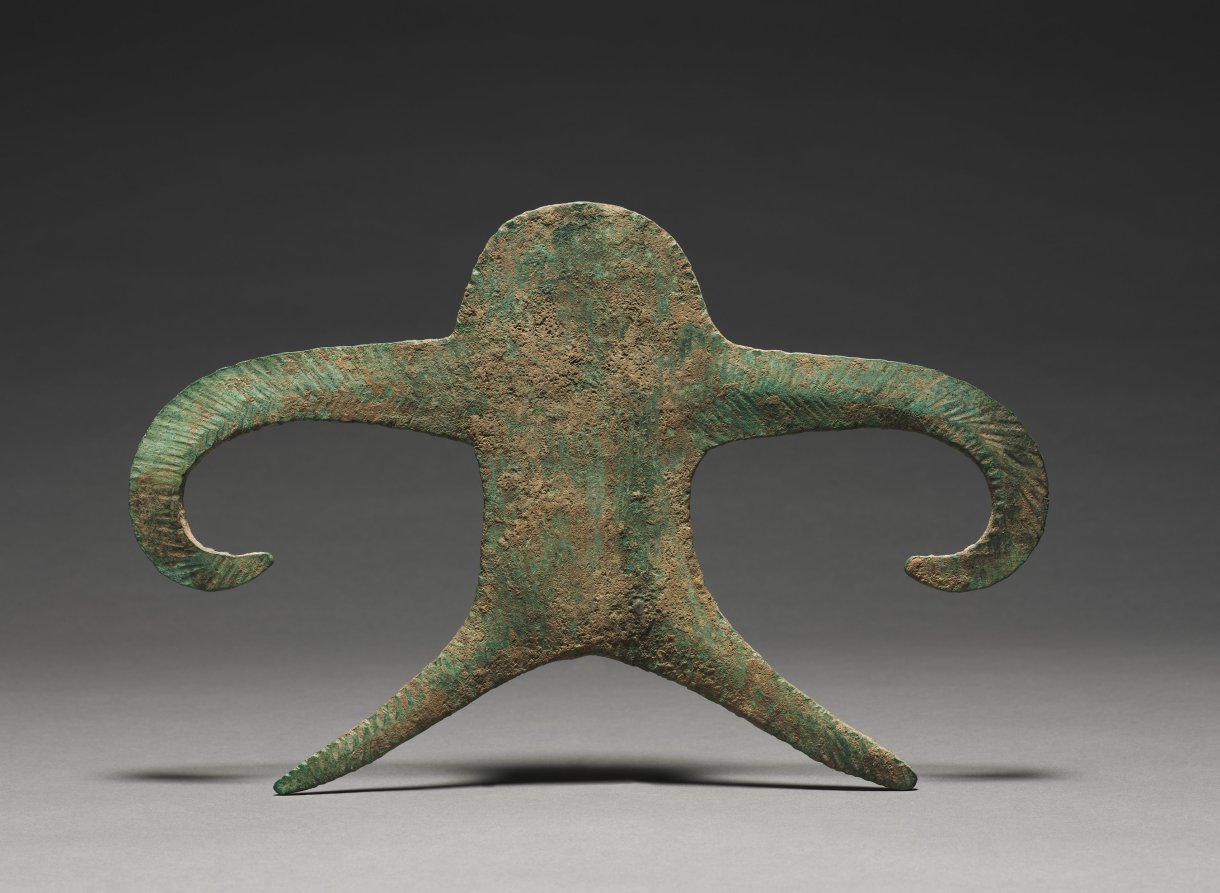
Technical Analysis: Anthropomorph and the 2026 Executive Silhouette
The provided internal DNA presents a profound dialectic between the three-dimensional, contemplative object of Pilgrim Sudhana and the two-dimensional, secular-moment-capturing plane of Harpist. Their confluence in a "silent universe beyond form" provides the precise geometric and philosophical foundation for the 2026 Addison Fashion executive silhouette. This analysis will deconstruct their shared "deeply congealed aesthetic" to architect a sartorial language of structural poetics and rigorous urban materiality.
Geometric Integrity: The Architecture of Stillness
The core geometric proposition lies in the contrast between centripetal containment and dynamic equilibrium. Pilgrim Sudhana offers a masterclass in volumetric reduction. The figure's form, described as "rounded and fluid," composes a "near-closed, self-sufficient geometric body." This is not mere simplicity but a calculated architectural enclosure. For the 2026 silhouette, this translates into garments conceived as autonomous sculptural volumes. A single-breasted overcoat is no longer a layer but a primary shell, its lines engineered to create a continuous, unbroken curve from shoulder to hem, employing strategic internal structuring to achieve that "soft halo" of light transition across the curved plane of the body. Seaming is eliminated or rendered invisible, creating a monolithic impression.
Conversely, Harpist introduces the critical element of implied kinetic tension within stasis. The "harmonic triangular or S-shaped structure" of the figure and instrument is a study in poised potential energy. The 2026 executive silhouette integrates this not through literal movement, but through asymmetric yet perfectly balanced internal linework. A dart may originate not from the side seam but from the center-back, traversing diagonally to resolve at the shoulder, creating an unseen structural "S" that organizes the fabric into a state of serene tension. The silhouette remains outwardly static, yet is fundamentally organized by these internal, dynamic lines—a sartorial equivalent to "capturing the moment before the string is plucked."
Structural Poetics: The Silhouette as Meditative Space
Structural poetics here refer to the emotional and intellectual resonance embedded within the garment's construction. From Pilgrim Sudhana, we derive the principle of inward-focused detail. The "introverted convergence" of color and form, guiding the viewer toward an inner spiritual world, is transposed into a design philosophy where all complexity is internalized. A jacket's interior becomes a realm of technical sublimity: functional seams are faced with a whisper-thin layer of sound-absorbing technical silk, pockets are meticulously angled for ergonomic access without distorting the external line, and fastenings are magnetic or gravity-based, eliminating visual noise. The wearer experiences a private, "Zen-like space" of functionality—the garment's true narrative is felt, not seen.
The poetics of Harpist contribute the concept of narrative rhythm. The "flowing harmony" of its composition informs the silhouette's relationship to the urban environment. The cut must facilitate a gait that is fluid and purposeful. This is achieved through precise articulation at key joints—a sleeve head cut with a hidden gusset for sublime arm movement, trouser legs with a minimal, engineered flare that follows the line of a stride without excess volume. The silhouette thus "plays" against the city's grid, its clean lines creating a visual rhythm against architectural hardscapes, embodying a "secular moment of divinity" in motion.
Urban Materiality: The Substance of Silence
Materiality is the critical medium through which geometric and poetic concepts achieve physical form. The instruction to translate the "inner luminescence"质感 of Pilgrim Sudhana is paramount. The designated Ivory palette is not a mere color but a material philosophy. It references the "ivory white, warm brown, or serene glaze" that symbolizes purity and introspection. Fabrics will be selected for their inherent ability to modulate light: double-faced wool with a differential nap that absorbs and reflects light variably; technical cashmere blended with a trace of matte microfiber to eliminate all sheen; molded vegetable-tanned leathers that age into a warmer patina. The objective is a surface that appears to emit a soft, diffuse glow, "metaphor for the spiritual light born from 'concentration'."
This is contrasted with the structural binary learned from Harpist's "classic duality" of red and black. In urban materiality, this manifests not in color contrast, but in the stark, deliberate contrast of texture and density. A rigid, architectural panel of molded wool felt may abut a section of fluid, matte jersey within the same garment. A seam might be emphasized not with stitching, but with a laser-welded bond, creating a graphic, linear division that "defines form and divides space." This creates a tactile landscape on a monolithic form, engaging the senses through contradiction and harmony.
The 2026 Executive Silhouette: A Definitive Proposition
Synthesizing these analyses, the definitive 2026 Addison Fashion executive silhouette is a study in monolithic minimalism charged with internal vector forces. It presents as an undisturbed, Ivory-hued volume—a walking embodiment of contemplative space. Its power derives from an extreme economy of external expression, which in turn demands an obsessive, internal technical perfection. Every seam, dart, and panel is calculated to serve both the autonomous geometry of the Pilgrim and the dynamic balance of the Harpist. It is urban armor not of aggression, but of profound focus. It does not shout; it absorbs the chaos of the metropolis and reflects back an edited, serene order. This silhouette is not worn—it is inhabited. It provides the modern executive with a portable architectural sanctuary, a garment that is, in its final essence, a bridge to that "inner quiet place," making tangible the silent universe between the sacred object and the secular moment.