Urban Form: Thetis Running
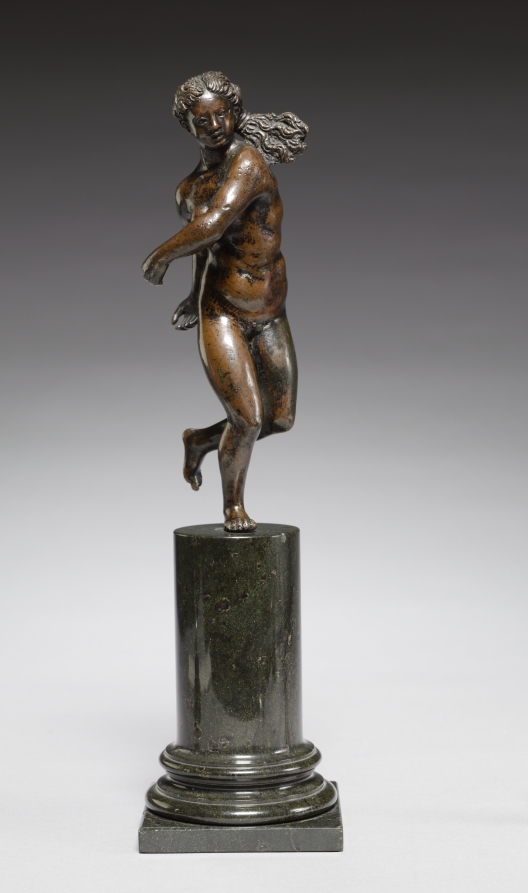
Urban Silhouette Research: Thetis Running — A Technical Deconstruction of Layered Form and Chromatic Restraint
I. Source Material Analysis: The Damascus Room and the He Xiangu Base as Structural Precedents
The Damascus Room, an 18th-century Ottoman residential interior from Syria, operates as a three-dimensional manifesto of cumulative stratification. Its aesthetic logic is not additive but exponential: wood paneling beneath marble veining beneath stucco relief beneath glazed tile beneath gold and silver calligraphy. Each stratum does not merely cover the one below—it reframes it, creating a visual system where depth is achieved through disciplined accretion rather than spatial expansion. For the Addison design team, this is the critical takeaway: volume is not the enemy of fluidity; unmanaged volume is.
Conversely, the base of the Daoist immortal He Xiangu functions as a micro-architectural plinth—a compressed vertical narrative of cloud scrolls, lotus petals, and auspicious stone. Its formal logic is ascensional layering: each decorative register lifts the figure above the mundane plane, transforming a two-dimensional icon into a three-dimensional proposition about transcendence. The base does not support weight; it transmits meaning upward.
When read together, these two artifacts articulate a shared thesis: dense layering generates void; void, in turn, generates presence. The Damascus Room’s overwhelming ornamentation encircles a central negative space for human occupation. The He Xiangu base’s compacted iconography elevates a figure into spiritual weightlessness. In both cases, decoration is not terminal—it is instrumental. It directs the eye inward and upward, converting material excess into perceptual discipline.
II. Thetis Running: Form Deconstruction for the 2026 Executive Wardrobe
The Thetis Running silhouette translates this dialectic of layered density and functional void into a wearable architecture for the urban executive. The category designation is Fluid, but fluidity here is not synonymous with looseness. It is controlled flow—the movement of fabric across a body that is simultaneously concealed and articulated.
Form: The Thetis Running profile employs a three-tier vertical stratification that mirrors the Damascus Room’s wall-to-ceiling logic. The base layer is a compressed, high-denier knit that anchors the torso—analogous to the room’s marble dado. Above it, a mid-layer of matte technical fabric with engineered perforations echoes the stucco relief’s rhythmic repetition. The outermost layer—a bias-cut shell of liquid-finish cupro or bonded wool—functions as the calligraphic inscription: it does not obscure the layers beneath but annotates them. The result is a silhouette that reads as a single fluid gesture while containing three distinct structural arguments.
The lower body follows the He Xiangu base’s ascensional principle in reverse. Where the base lifts the figure upward, the Thetis Running trouser or skirt grounds the executive in motion. A tapered leg with a subtle flare at the ankle—what we term the “plinth break”—creates a visual pedestal that stabilizes the upper body’s layered complexity. The void here is the negative space between the body and the garment’s outer shell: a deliberate gap that allows for stride, gesture, and the silent authority of unencumbered movement.
Proportion: The Thetis Running maintains a 1:1.618 ratio between the layered torso zone and the grounded lower zone. This is not accidental. The golden section, when applied to stratified garments, produces a silhouette that feels both dense and airy—precisely the paradox achieved by the Damascus Room’s ornamental saturation and the He Xiangu base’s compacted symbolism.
III. Chromatic Strategy: Slate as the Operational Neutral
The color designation for Thetis Running is Slate—but not a single slate. The palette operates as a gradient system across the three layers. The base knit sits at Slate 9 (near-onyx, 85% black), the mid-layer at Slate 6 (true slate, 55% black), and the outer shell at Slate 3 (silvered slate, 25% black). This creates a vertical chromatic fade that mimics the Damascus Room’s transition from dark wood wainscoting to luminous tile frieze.
Slate is selected for its non-negotiable professionalism and its capacity to absorb and reflect urban light without chromatic distortion. Unlike charcoal, which flattens under artificial illumination, Slate retains a cool undertone that reads as deliberate rather than default. It is the color of wet pavement, of brushed steel, of the Hudson River at 7:00 AM—the exact visual register of the NYC executive in transit.
Critically, Slate functions as a chromatic void. It does not compete with the wearer’s face, voice, or gesture. It creates the negative space within which authority becomes visible. This is the ultimate translation of the Eastern aesthetic principle: dense layering of form, absolute restraint of color.
IV. Application: The 2026 NYC Executive Wardrobe
The Thetis Running silhouette is not a seasonal proposition. It is a systemic intervention into the executive wardrobe’s relationship with time, motion, and hierarchy. For the 2026 market, Addison positions this as the antidote to both the rigid power suit and the formless athleisure compromise. The executive who wears Thetis Running does not choose between structure and fluidity—she operationalizes both.
In the boardroom, the layered shell reads as a jacket without the aggression of tailoring. In transit, the perforated mid-layer provides thermal regulation without visual noise. In the evening, the Slate gradient shifts under low light, revealing the depth of its stratification—a quiet signal of discernment to those trained to see it.
The Damascus Room was built for hospitality and contemplation. The He Xiangu base was carved for devotion and ascent. Thetis Running is engineered for executive presence and urban endurance. The common thread is not decoration but intention: every layer must justify its existence, and every void must serve a purpose. In the 2026 wardrobe, that purpose is the unspoken authority of the woman who moves through the city as if it were her own interior.
— Addison Fashion NYC, Senior Executive Stylist