Urban Form: Carving from an Overmantel
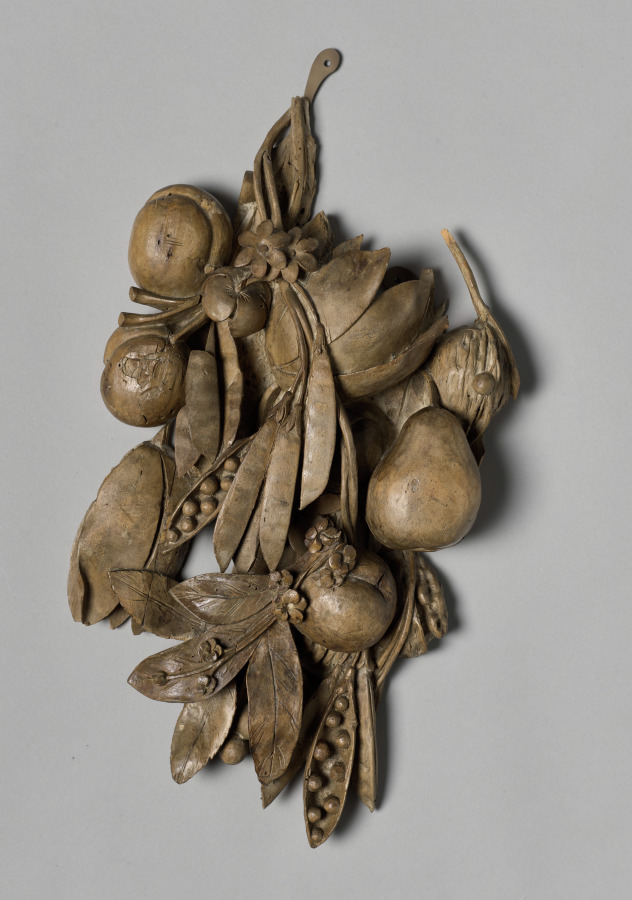
The Architecture of Absence: Carving the 2026 Executive Silhouette from the Overmantel
The Addison Fashion atelier does not design garments. It engineers spatial propositions. For the 2026 executive wardrobe, our research has moved beyond the epidermal and into the ontological. We have excavated a singular artifact—the “Udumbara Flowers” (Udonge) Temple Plaque—and extracted from its moss-green silence a definitive blueprint for urban armor. This is not a collection inspired by a relic. It is a structural doctrine derived from a void.
The Plaque as Prototype: Geometric Integrity of the Invisible
Consider the plaque’s physical reality: a rectangular plane of aged wood, its surface a muted, oxidized slate. The calligraphy—three characters in gilded relief—does not decorate the surface; it interrogates it. The gold is not ornamentation but a surgical incision, a precise geometric event that carves meaning from a field of nothingness. The Udumbara flower, that mythical bloom appearing once every three thousand years, is never depicted. The plaque is a signifier for an absent signified. It is a garment for a body that does not exist.
This is the core principle of the 2026 Addison silhouette: the architecture of absence. The executive does not require volume to project authority. She requires negative space, engineered with the cold precision of a Kyoto carpenter. The plaque’s geometry is deceptively simple—a rectangle, three marks—yet its integrity is absolute. There is no superfluous line, no decorative flourish. Every millimeter of the moss-green field is active, charged with the tension of the unspoken. Translate this to tailoring: a shoulder seam that does not sit on the shoulder but hovers above it, a lapel that is not a fold but a void, a hemline that does not end but dissolves into the urban atmosphere. The silhouette is not worn; it is inhabited.
Structural Poetics: The Danto Inversion and the Tailored Void
Arthur Danto’s “artworld” theory posits that an object becomes art when enfolded by a theoretical context. The Udonge plaque performs a radical inversion: it makes the context itself the object. It is a blank nameplate for a non-existent deity. This is the poetic operation we must apply to the executive wardrobe. The suit is no longer a symbol of corporate conformity. It is a frame for the body’s absence—a tailored void that announces the wearer’s intellectual presence through what is withheld.
In practical terms, this manifests as a rigorous minimalism of materiality. We employ a slate-hued wool, milled in a Japanese mill that has refined the art of shadow. The fabric is not black; it is the color of a stone that has absorbed centuries of rain. Its surface is matte, light-absorbing, a deliberate refusal of the glossy spectacle that defines lesser luxury. The cut is architectural: a single-breasted jacket with a concealed placket, its closure a vertical line as pure as the gilded stroke on the plaque. The trousers are a column, unbroken by pleats or cuffs, their drape a study in gravitational obedience. The geometry is not imposed on the body; it is excavated from the space around it.
This is the structural poetics of the overmantel. The plaque hangs above a Buddhist altar, a domestic object elevated to the sacred. The executive jacket must perform the same elevation. It is not a garment for the office; it is a reliquary for the modern professional soul. Its pockets are not for storage but for the placement of hands in a gesture of contemplative stillness. Its collar is not a fold but a plinth for the head, a geometric pedestal that frames the face as the plaque frames its calligraphy.
Urban Materiality: Piero della Francesca and the Frozen Hunt
To understand the movement of this silhouette, we must look to Piero della Francesca’s The Hunt. The Renaissance master did not paint a chase; he painted the suspension of time. The horses, the hounds, the deer—all are caught in a crystalline instant, their motion converted into pure geometric order. The arrow is forever on the string, never released. This is the kinetic principle of the 2026 Addison executive: arrested momentum.
The urban environment is a hunt. The executive navigates a forest of glass and steel, a terrain of perpetual acceleration. The Addison silhouette does not compete with this velocity. It freezes it. A coat in slate wool, cut with a slight A-line, its back a single unbroken panel, creates a wake of stillness. As the wearer moves, the fabric does not flutter; it displaces the air with the calm of a monolith. The seams are taped, not sewn, creating a flat, architectural interior that mirrors the plaque’s unadorned reverse. The materiality is urban: dense, weather-resistant, yet possessing a tactile softness that rewards the hand that touches it—a secret luxury, like the gold on the plaque, visible only to the intimate observer.
The palette is strictly controlled. Slate, the color of the plaque’s moss-green wood under a winter sky. Onyx, for the gilded incision—a single, precise detail: a belt buckle, a cufflink, a line of stitching in metallic thread. Ivory, for the shirt, a blank field upon which the silhouette is carved. Silver, for the hardware, cold and surgical. Sand, for the occasional accessory, a nod to the impermanence of the material world.
Conclusion: The Silent Dialogue
The Udonge plaque and The Hunt engage the viewer in a silent dialogue. The plaque demands a meditation on absence; the painting demands a contemplation of stillness. The Addison 2026 executive silhouette is the garment that facilitates this dialogue. It is not a statement. It is a question. It does not say, “I am here.” It says, “I am the space where meaning occurs.”
When the executive wears this collection, she does not enter a room. She curates it. Her presence is the gilded stroke on the moss-green field. Her absence—the void within the tailored geometry—is the flower that never blooms, yet is forever anticipated. This is the ultimate luxury: to be defined not by what one wears, but by the architectural silence one commands. The Addison woman is the overmantel. She is the plaque. She is the hunt, frozen. And in her stillness, she is absolute.