Urban Form: Kneeling Satyr
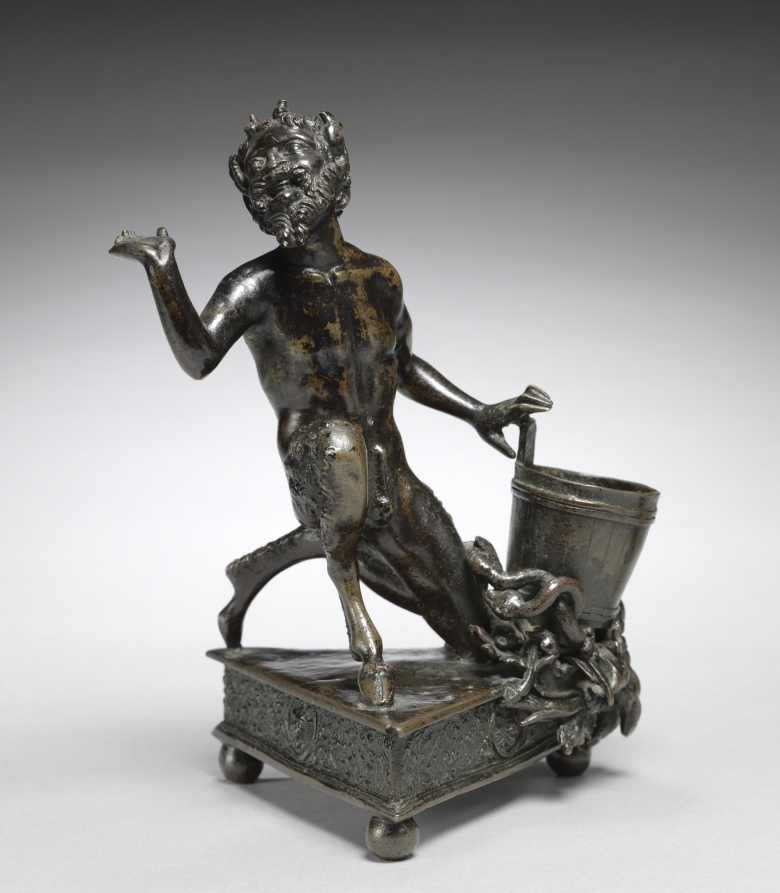
Urban Silhouette Research: Kneeling Satyr — Structural Poetics of the Resolved Form
I. Geometric Integrity: The Kneeling Axis as Architectural Proposition
The Kneeling Satyr presents a silhouette of radical compression. Where the standing figure extends vertically—asserting dominance through height—the kneeling form collapses the vertical axis into a dense, self-contained volume. This is not submission; it is structural concentration. The geometry operates on three planes: the descending thigh, the horizontal shin, and the torso's slight forward cant. Together they form a Z-axis fold—a zigzag of articulated mass that reads, at distance, as a single monolithic gesture.
For the 2026 executive silhouette, this is the definitive proposition. The Addison wardrobe has long rejected the tyranny of the vertical. The kneeling satyr offers an alternative: the folded architecture. A jacket that collapses at the waist, a trouser that breaks at the knee, a coat that pools rather than drapes—these are not accidents of fit. They are deliberate geometric interventions, each one a quotation of the satyr's resolved posture. The silhouette does not stand; it settles. It occupies space with the confidence of a form that has chosen its own boundaries.
II. Materiality: Slate as Urban Substrate
The color directive is Slate—not gray, not charcoal, but the specific mineral tonality of wet stone under overcast light. This is the color of the satyr's shadow, the color of the plinth it never quite touches. In textile terms, Slate demands matte surfaces with micro-texture: brushed wool, sanded silk, bonded cotton with a dry hand. The material must absorb light rather than reflect it, creating the same optical density as the artwork's stone surface.
Urban materiality in 2026 will be defined by this principle: the garment as geological sample. The Addison executive does not wear color; they wear substance. Slate is the chromatic equivalent of the satyr's weathered patina—a surface that records time without displaying it. Pair with onyx hardware, ivory underlayers, and silver-toned zippers that read as mineral veins rather than ornament.
III. Structural Poetics: The Fold as Narrative Device
The satyr's kneeling posture is a narrative of restraint. It tells no story of triumph or defeat; it simply is. This is the poetics Addison Fashion pursues for 2026: garments that resist anecdote. The fold at the knee, the break at the elbow, the collapse at the shoulder—each is a syntactic unit in a grammar of stillness.
Consider the tailored jacket reinterpreted through this lens. The traditional waist suppression becomes a hinge point, not a cinch. The lapel rolls not outward but downward, following the satyr's gaze. The sleeve, when bent, creates a secondary silhouette—a shadow form that exists only in motion. This is kinetic architecture: the garment is incomplete until the body activates it.
The trouser follows suit. A single deep pleat at the front, released at the knee, allows the fabric to pool rather than break. The hem does not touch the shoe; it hovers, creating a negative space that echoes the satyr's suspended knee. This is not sloppiness. This is precision at rest.
IV. The 2026 Executive Silhouette: A Synthesis
The Addison executive for 2026 will not walk into a room; they will occupy it. The silhouette is low-slung, wide-shouldered, and vertically compressed. Think of a trapezoid inverted: broad at the base, narrowing at the crown. The head is small, the shoulders are architectural, the torso is a single slab of Slate, and the legs are columns that have learned to bend.
Key proportions:
Shoulder-to-hip ratio: 1.4:1 (exaggerated width, suppressed waist)
Jacket length: Mid-thigh, with a vented back that opens like a satyr's wing
Trouser rise: High, with a dropped crotch that reads as deliberate, not slouchy
Footwear: Flat, wide, and heavy—the plinth beneath the form
This is not a silhouette for the boardroom. It is a silhouette for the urban field—the plaza, the gallery, the midnight street. It speaks in the same register as the Kneeling Satyr: cold, resolved, and utterly present.
V. Conclusion: The Resolved Form
The Kneeling Satyr is not a figure of action. It is a figure of decision. Every angle is chosen; every mass is placed. For Addison Fashion, this is the ultimate lesson: the 2026 executive silhouette must be decided, not designed. It must feel inevitable. Slate absorbs the city's noise. The fold contains the body's motion. And the kneeling posture—whether in stone or in wool—reminds us that power is not always vertical. Sometimes it is the form that has chosen to settle, and in settling, has become immovable.