Urban Form: Carving from an Overmantel
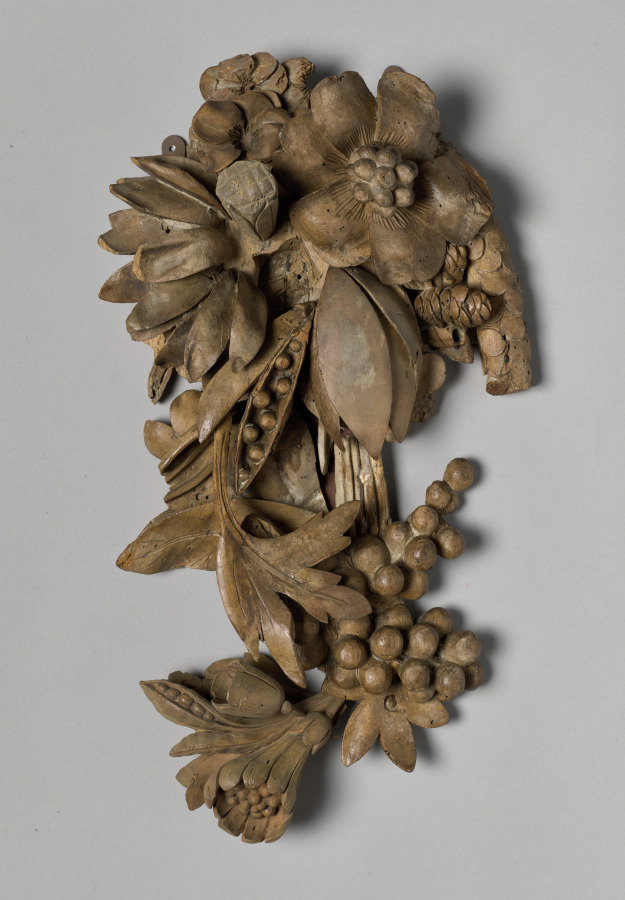
Technical Analysis: Carving from an Overmantel – A Blueprint for the 2026 Executive Silhouette
The provided aesthetic DNA, an exquisite dialectic between the Eastern 《Herdboys and Buffalos》 and the Northern Renaissance 《Wine Cup with Children at Play》, does not merely suggest a theme; it presents a rigorous architectural problem. The task is to distill this "pastoral symphony" into an urban syntax, translating philosophical void and humanist density into a wearable, authoritative geometry. The 2026 executive silhouette for Addison Fashion will not reference the pastoral; it will be its direct structural consequence, a carving of space and form as deliberate as the artifacts that inspire it.
Geometric Integrity: The Architecture of Void and Volume
The core geometric proposition lies in the interplay defined by the two objects. The Chinese depiction operates on the principle of subtractive geometry. The "great blankness" surrounding the herdboys is not negative space but a calculated, positive form—a planar field of immense graphic power. This translates into silhouette as severe reduction. Garment structures will be defined by what is removed: deep, precise armholes that create a floating sleeve cap; concave back seams that carve away excess; sharply inset panels that frame the torso like a scroll mounts an image. The silhouette becomes a study in controlled absence, where the body itself becomes the "herdboy," a singular, deliberate element within a vast, slate-colored field of fabric.
Contrastingly, the Dutch silver cup exemplifies additive geometry through bas-relief. Its "compositional fullness" and intricate detail are not interpreted as ornament, but as internal structural complexity. This manifests in the manipulation of material density and layered construction. A single-breasted overcoat, for instance, may appear as a clean plane from afar (honoring the Eastern void), yet its interior is engineered with multiple floating canvases and strategic padding—a "relief" mapping of the shoulders and blades that creates dynamic, subtle shadow and light upon movement. The silhouette absorbs this lesson in structured poetics: a superficially minimal exterior harbors a meticulously mapped, three-dimensional interior architecture.
Defining the 2026 Executive Silhouette: Structural Poetics
The 2026 silhouette is a hybrid of these two geometric modes—a monolithic form with a complex core. It rejects the soft, unstructured trends of previous cycles in favor of a return to architectural certainty, yet one devoid of historical costume or overt aggression.
The Torso: Treated as the "overmantel" itself—a foundational plane. Jackets and coats employ a modified, elongated cubist shape, with seams placed to create long, uninterrupted vertical lines. Darts are eliminated or internalized, their function absorbed by precision cutting on the bias across the upper back, creating a subtle, natural curvature that echoes the herdboy's harmonious integration with his landscape. The waist is acknowledged but not cinched; it is implied by the geometry of intersecting panels, much as the relationship between figures in the artifacts is implied by compositional placement.
The Sleeve: A critical site of articulation. The set-in sleeve is re-engineered. Its crown is raised and narrowed, extracted from the bodice with the precision of a carved relief, creating a distinct, angular shoulder that references the cup's defined edges. The sleeve itself then falls with a slight, deliberate drag line, a quiet echo of the herdboy's loose robes, achieving a balance between structured origin and fluid conclusion.
Urban Materiality: The Substance of Silence and Trace
The material palette must embody the cold sophistication of this analysis. Slate is the definitive color—a mineral hue that contains both the cool, misty grays of the Eastern "void" and the hard, graphic density of engraved silver. It is non-emotive, severe, and deeply urban.
Fabrics are selected for their innate architectural properties and their ability to hold a carved edge or fall into a silent drape. Primary materials include: Double-faced wool crepe for its mute density and ability to be sliced into clean seams without fraying; technical matte jacquards with infinitesimally subtle, geometric weave patterns that catch light like the surface of the silver cup only upon intimate inspection; and weighted silk-noil for its dry, mineral hand and its capacity to form soft, columnar lines that recall the simplicity of pastoral cloth, yet in a context of absolute luxury.
Closures and details are treated as functional sculpture. Zippers are entirely concealed. Fastenings become abstracted: a magnetic closure hidden behind a placket; a hook that engages a corresponding bar within a seam. The "play" of the children and the "herd" motif are not literally depicted but are transmuted into the play of shadow within a seam, the herding of geometric panels around the body's form. The result is an urban materiality that speaks of precision, restraint, and a profound depth of construction—a garment that is, like the analyzed artifacts, a vessel for contemplation.
In conclusion, the 2026 executive silhouette for Addison Fashion is a direct architectural translation of a cross-cultural aesthetic dialogue. It is a silhouette of imposed silence and deliberate volume, where the poetic longing for harmony is not expressed through motif, but through the relentless pursuit of geometric purity and material integrity. It is the uniform for the executive who understands that true authority lies not in proclamation, but in the profound quiet of considered form.