Urban Form: Hoyshaleshvara Temple Sculpture, Halebidu (Halebeedu)
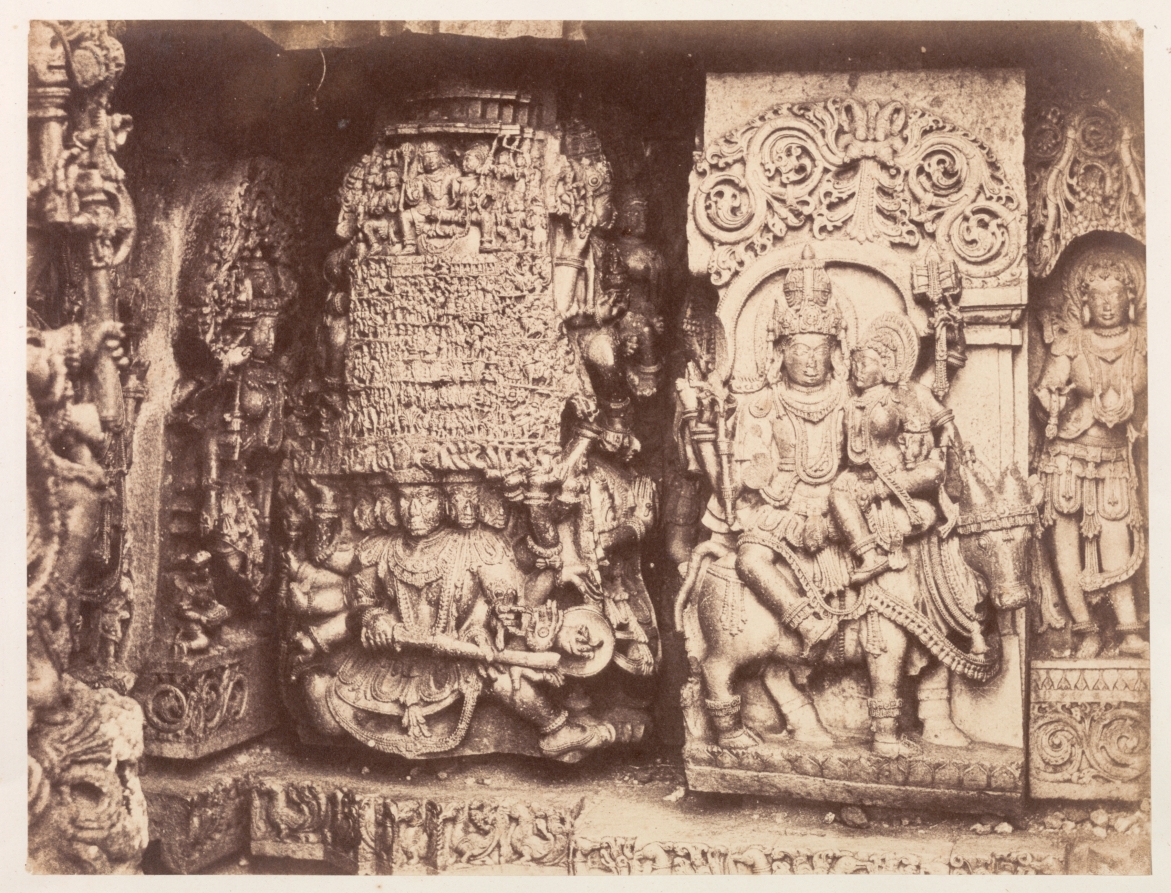
Structural Analysis: Hoyshaleshvara Temple Sculpture as Urban Armature
The Hoysaleshvara Temple at Halebidu presents a paradigm of controlled excess, a surface in perpetual, intricate motion held within a masterfully defined architectural envelope. This is not ornament applied to structure; it is structure expressed as ornament. For the 2026 executive silhouette, this translates not to historical replication, but to a rigorous extraction of its underlying geometric and philosophical principles. The silhouette moves decisively away from fluidity and into the domain of the architecturally tailored—a form defined by precise internal scaffolding, where surface detail emerges from structural necessity, not applied decoration. The color slate is mandated for its mineralogical resonance: it is the color of carved stone under a diffuse urban sky, possessing a depth that shifts from cool grey to a muted, earthy blue, embodying both intellect and grounded materiality.
Geometric Integrity: The Logic of the Frieze
The temple's famed sculptural friezes operate on a principle of maximal density within minimal relief. The geometric integrity lies in the relentless, rhythmic partitioning of a flat plane into a narrative field of astonishing depth. Figures are not merely placed; they are carved from the matrix of the wall itself, their contours defined by the negative space that surrounds them. This creates a taut, dynamic tension between positive and negative form, between solid and void. The 2026 silhouette adopts this as its core tenet. Garments will be constructed from a single, continuous plane of fabric—a modern-day stone slab—through advanced darting, seaming, and laser-cutting that extracts the form from the material. The body is not concealed or draped, but revealed through strategic subtraction, creating a bas-relief effect where seams become the defining lines of a personal topography. The silhouette remains sharp and columnar, but its surface is alive with this calculated, shallow-depth complexity.
Structural Poetics: The Load-Bearing Surface
Herein lies the structural poetry: every decorative element—every lotus petal, celestial nymph (*apsara*), or mythical beast (*yali*)—serves a dual purpose. It is both narrative and architectonic component, contributing to the overall stability and visual rhythm of the whole. This dissolves the Western dichotomy between structure and decoration. In our translation, this manifests as functional ornament. A seam is not merely a join; it is reinforced with a micro-piping that echoes a sculptural ridge. A pocket is not an addendum; its flap is integrated into a panel's sculptural flow, its closure a miniature, abstracted *yalī* head. The poetry is cold, technical, and intelligent: beauty derived from purpose, detail from load-bearing logic. The silhouette carries an aura of impenetrable, composed authority, much like the temple wall—a surface that communicates immense cultural and structural weight through its intricate, ordered face.
Urban Materiality: Petrifaction of the Ephemeral
The temple's material is chloritic schist (soapstone), chosen for its fine grain and suitability for high-detail carving. Our urban materiality seeks a parallel: fabrics that mimic this capacity to hold precise, permanent form. This necessitates a move beyond traditional woolens. We will employ technologically advanced composites: compressed, thermo-formed wool blends that hold a razor-sharp edge; laminated silks with a subtle, stone-like sheen and minimal drape; micro-pleated technical jerseys that replicate the rhythmic, linear texture of carved stone folds. These materials do not flow; they stand. They possess memory and resistance. The color slate will be engineered into these fabrics not as a flat dye, but with a sub-surface dimensionality—through heat treatments, double-faced weaving, and ink-jet printing that replicates the subtle mineral variations of schist, creating a garment that appears hewn, not sewn.
The 2026 Executive Silhouette: A Defined Taxonomy
The resulting silhouette for 2026 is a study in contained intricacy and vertical rigor. It is defined by the following architectural signatures:
The Monolithic Column: Outer shapes are clean, severe, and sharply shouldered. The silhouette is a vertical statement, unbroken by waist definition, echoing the temple's *shikhara*. Complexity is reserved for the intimate scale—the centimeter around the body.
Bas-Relief Construction: Detail exists in the same plane as the foundation. Laser-cut appliqués, raised seam networks, and intricate paneling lie flush against the body's architecture, creating shadow play akin to sunlight moving across a sculpted frieze.
Programmed Asymmetry: Reflecting the narrative progression of a temple frieze, detail may accumulate or intensify on one side of a garment—a sleeve, a jacket placket—while the opposite side remains austerely plain. This is not random but a calculated visual rhythm.
Junctional Hardware: Closures are the modern equivalent of keystones. Zippers are concealed within structural seams. Buttons are oversized, cast in matte gunmetal or slate-colored ceramic, acting as focal points that anchor the surrounding fabric geometry, much like a central deity figure anchors a sculptural panel.
This silhouette rejects the transient. It is built for permanence and scrutiny. It is urban armor for the executive who operates not in fleeting trends, but in the long arc of strategy and influence—a figure who, like the Hoysaleshvara Temple, communicates immense authority through a facade of breathtaking, precise, and deeply considered complexity. The body becomes a temple; the garment, its enduring, articulate wall.