Urban Form: Clog-shaped Teabowl
Urban Silhouette Research: The Clog-Shaped Teabowl as Structural Archetype for the 2026 Executive Wardrobe
I. Preliminary Taxonomy: The Vessel as Silhouette
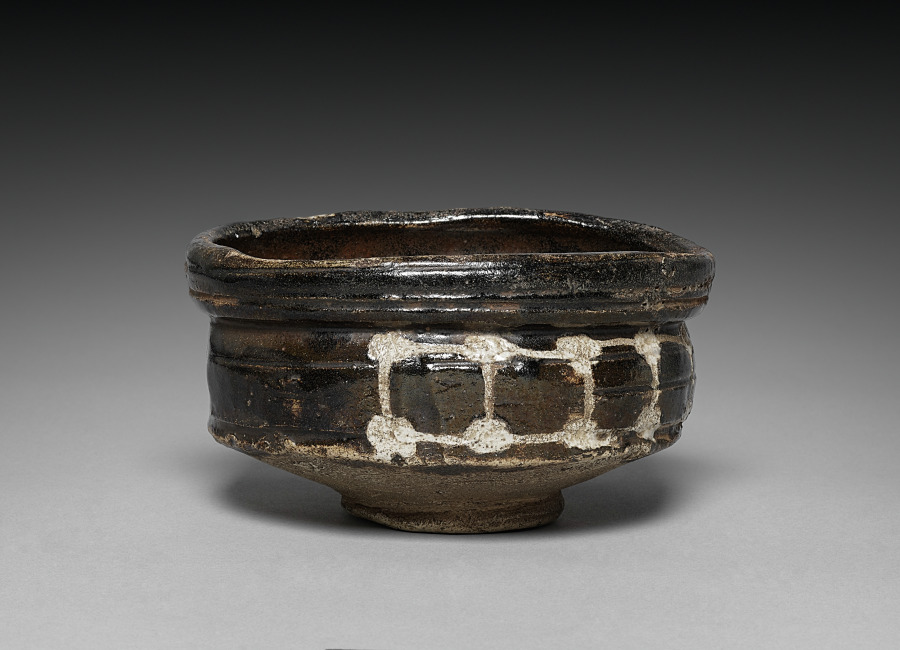
The Addison Fashion atelier has identified a singular artifact for dissection: the Clog-Shaped Teabowl. This is not a decorative curiosity. It is a load-bearing proposition. The teabowl, in its clog-derived morphology, presents an architectural contradiction—a vessel whose formal logic derives from footwear, whose materiality speaks to earth and fire, and whose silhouette negotiates between the contained and the worn. For the 2026 executive wardrobe, this object serves as a primary source of structural intelligence.
The geometric integrity of the clog-shaped teabowl resides in its deliberate asymmetry. Unlike the symmetrical chawan of the Raku tradition, the clog form introduces a lateral bias—a heel-to-toe axis that disrupts radial balance. The wall thickness varies: the toe is compressed, the heel expansive, the rim undulating in a manner that suggests tectonic stress rather than decorative flourish. This is structural poetics in its most austere register. The silhouette is not drawn; it is excavated.
II. Geometric Integrity: The Asymmetric Load Path
When translated to the human form, the clog-shaped teabowl dictates a silhouette that is Oversized in volume yet Minimalist in line. The geometry operates on three axes:
1. The Vertical Axis (Heel-to-Rim): The heel of the clog form corresponds to the shoulder line in tailoring. Here, the teabowl's compressed base suggests a dropped, extended shoulder—a deliberate softening of the deltoid apex. The 2026 executive jacket will not pad the shoulder; it will suspend it, allowing the fabric to fall from a lowered acromion point. This creates a columnar descent that elongates the torso while retaining authority.
2. The Lateral Axis (Toe-to-Heel): The forward projection of the clog toe translates to a directional hem. The silhouette is not static; it advances. Trousers and skirts will feature an asymmetric front panel—a subtle cant that suggests motion without pleating. The fabric's weight distribution mirrors the teabowl's clay body: denser at the base, attenuated at the rim.
3. The Radial Axis (Wall Thickness): The varying wall thickness of the teabowl informs strategic layering. The executive ensemble will employ differential fabric weights—a heavy wool crepe at the core, a translucent silk organza at the periphery. The result is a silhouette that reads as monolithic from a distance but reveals porosity upon approach. This is the louch effect: solidity that breathes.
III. Urban Materiality: Slate, Onyx, and the Patina of Authority
The clog-shaped teabowl's surface is a record of its firing—ash glaze pooling in the heel, iron speckling at the toe, a matte field interrupted by vitreous rivulets. For Addison Fashion's 2026 palette, this translates to a Slate dominance: a cool, blue-grey neutral that absorbs light rather than reflecting it. Slate is the color of wet basalt, of winter pavement, of the urban horizon at dusk. It is the chromatic equivalent of the teabowl's unglazed foot—honest, structural, unadorned.
Secondary tones include Onyx for hardware and Ivory for interior linings—a direct citation of the teabowl's interior glaze, which often contrasts sharply with its exterior. The executive who wears this silhouette carries a private brightness within a public austerity. The materiality is tactile but not soft: bonded wool, paper-touch leather, brushed alpaca. Nothing shines. Everything resonates.
IV. The 2026 Executive Silhouette: A Technical Specification
The resulting silhouette is defined by four structural mandates:
Mandate 1: The Cantilevered Shoulder. The shoulder line extends 2–3 cm beyond the natural acromion, supported by a floating canvas interlining. The sleeve head is unpadded, creating a soft slope that mimics the teabowl's rim.
Mandate 2: The Asymmetric Closure. Jackets and coats fasten off-center, with a diagonal seam that runs from the sternum to the left hip. This is the toe-to-heel axis made wearable.
Mandate 3: The Variable Hem. Skirts and trousers feature a graduated hem—longer at the back, shorter at the front—creating a forward lean. The hem is weighted with a narrow strip of leather or metal, echoing the teabowl's foot ring.
Mandate 4: The Porosity Index. At least one layer in every ensemble must be perforated, bonded, or open-weave. This is the leak in the vessel—the breath that prevents the silhouette from becoming a cage.
V. Conclusion: The Vessel as Urban Armor
The clog-shaped teabowl is not a metaphor. It is a geometric precedent. Its asymmetry, its variable wall, its slate-and-onyx palette—these are the raw data of the 2026 executive silhouette. Addison Fashion does not decorate the body; it structures it. The teabowl teaches us that authority resides not in symmetry but in load-bearing imbalance, not in shine but in patina, not in closure but in the controlled leak. The urban executive of 2026 will wear a vessel, not a garment. And that vessel will be fired in the kiln of the city itself.