Urban Form: Bacchanales: Nymph Supported by Two Satyrs
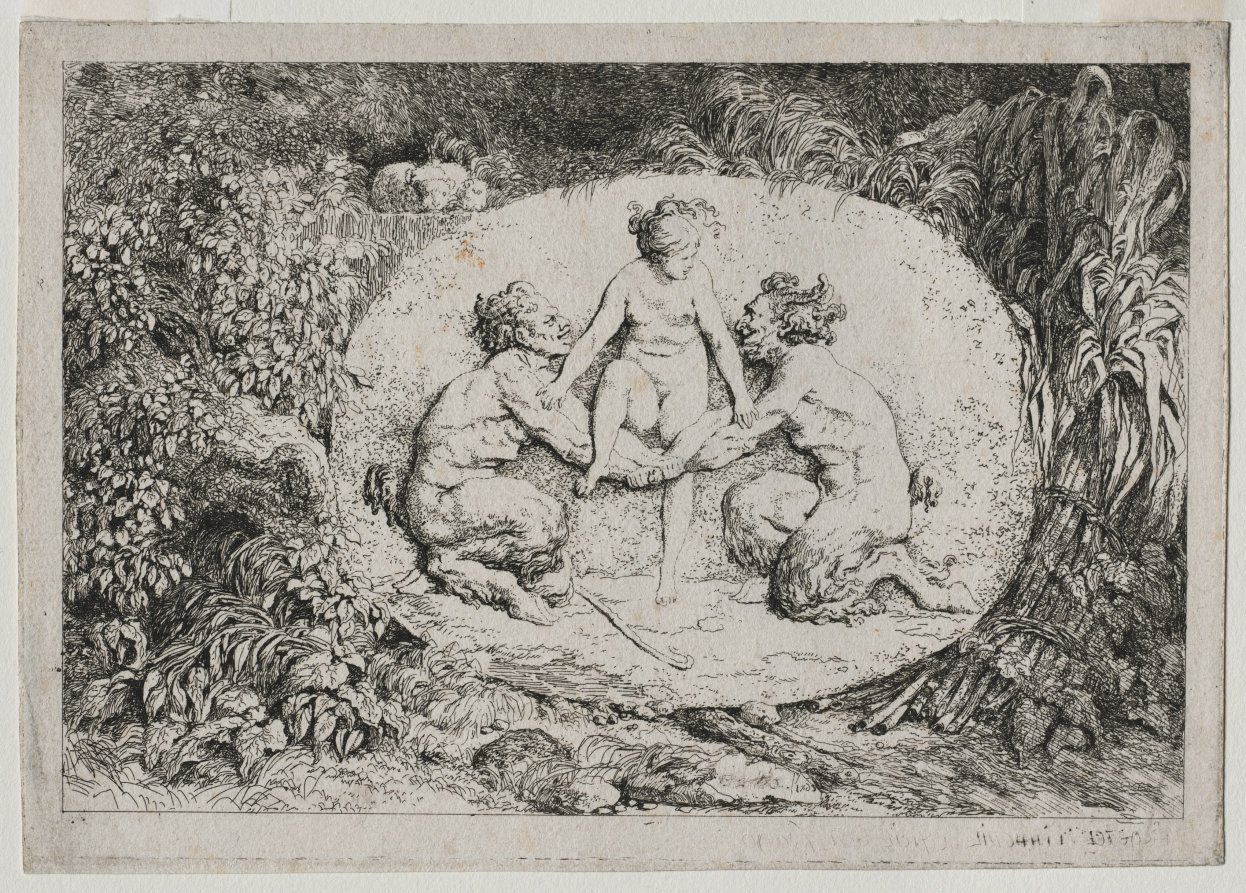
Urban Silhouette Research: Bacchanales — Nymph Supported by Two Satyrs
I. Preliminary Geometry: The Diagonal as Load-Bearing Structure
The composition operates on a principle of triangulated load distribution. The nymph occupies the apex—not as a passive figure, but as a fulcrum around which two satyrs function as counterweights. The resulting geometry is neither symmetrical nor chaotic; it is asymmetrically balanced, a condition that defines the Addison executive silhouette for 2026. The body of the nymph does not rest upon the satyrs; it negotiates with them. This is the first principle of urban materiality: support is not given, it is engineered through tension.
The diagonal axis running from the lower-left satyr through the nymph's torso to the upper-right satyr creates a cantilevered effect. In architectural terms, this is a shear plane—a surface where opposing forces meet and resolve without collapse. For the 2026 executive, this translates to garments that appear to float while remaining structurally anchored. The shoulder line must echo the nymph's raised arm: extended, deliberate, unapologetic. The waist, conversely, absorbs the satyrs' weight—compressed, dense, a pivot point rather than a void.
II. Surface Tension: Flesh as Fabric, Fabric as Flesh
The painting refuses to distinguish between anatomical and textile boundaries. The nymph's drapery does not cover the body; it continues it. The folds behave like pleated wool crepe—matte, weighty, responsive to gravity yet resistant to collapse. The satyrs' musculature, by contrast, reads as burnished leather: taut, oiled, reflective only at the highest points of tension. This duality—soft architecture against hard architecture—is the material dialectic of the Addison 2026 collection.
Consider the chromatic restraint. The palette is not decorative; it is structural. Flesh tones, earth ochres, and shadowed umber function as a monochrome system where value—not hue—defines form. For the executive wardrobe, this mandates a palette of Onyx, Slate, and Ivory, with no more than one accent per ensemble. Color is not expression; it is load-bearing emphasis.
III. The Nymph as Urban Archetype: Post-Heroic Femininity
The nymph is not a victim. She is not a deity. She is supported—and in that support, she becomes more than either satyr alone. This is the post-heroic silhouette: power that does not announce itself through isolation, but through strategic interdependence. The 2026 executive does not stand alone; she stands within a network of forces—capital, information, expectation—and converts that network into poise.
The nymph's head tilts backward, exposing the throat. This is not vulnerability; it is calculated exposure. The throat is the narrowest structural member in the human frame, and its presentation signals confidence in the surrounding architecture. In tailoring, this translates to a plunging neckline that is stabilized by a high, rigid collar at the nape—a tension collar that prevents the garment from reading as soft or romantic. The Addison silhouette for 2026 will feature this throat-exposure / nape-anchor dyad as a signature.
IV. The Satyrs as Infrastructure: The Invisible Support System
The satyrs are not characters; they are apparatus. Their function is to enable the nymph's elevation without competing for visual primacy. This is the infrastructure aesthetic—the recognition that every visible executive gesture rests upon invisible labor, invisible capital, invisible maintenance. The satyrs' bodies are rendered with less detail than the nymph's; they are context, not content.
For urban materiality, this suggests layered construction: an outer shell of apparent simplicity (the nymph) over an inner armature of complex engineering (the satyrs). The 2026 Addison jacket will be unlined in appearance but double-faced in construction—the satyr principle made textile. The wearer should feel held, not confined.
V. Temporal Geometry: The Frozen Instant as Executive Advantage
The painting captures a single moment—but that moment is unstable. The nymph is mid-descent; the satyrs are mid-lift. Nothing is resolved. This is the aesthetic of the decisive interval: not the decision itself, but the instant before decision, when all options remain open and all forces remain in play. The 2026 executive operates in this interval permanently. The silhouette must therefore accommodate motion without motion—garments that appear static but are pre-loaded for movement.
The solution is asymmetric seaming. A single diagonal seam from shoulder to hip—echoing the painting's primary axis—creates a visual shear line that reads as both stable and dynamic. The fabric does not drape; it resolves. The wearer does not pose; she occupies.
VI. Conclusion: The Addison Protocol for 2026
Bacchanales: Nymph Supported by Two Satyrs is not a scene of revelry. It is a diagram of support—a technical drawing for the executive body in motion. The 2026 Addison silhouette will derive from three principles extracted here: triangulated balance, material duality, and infrastructural invisibility. The result is a wardrobe that does not decorate the body but re-engineers it—not as a monument, but as a system.
The nymph does not stand. She is held. And in that holding, she becomes inevitable.