Urban Form: Bread Plate
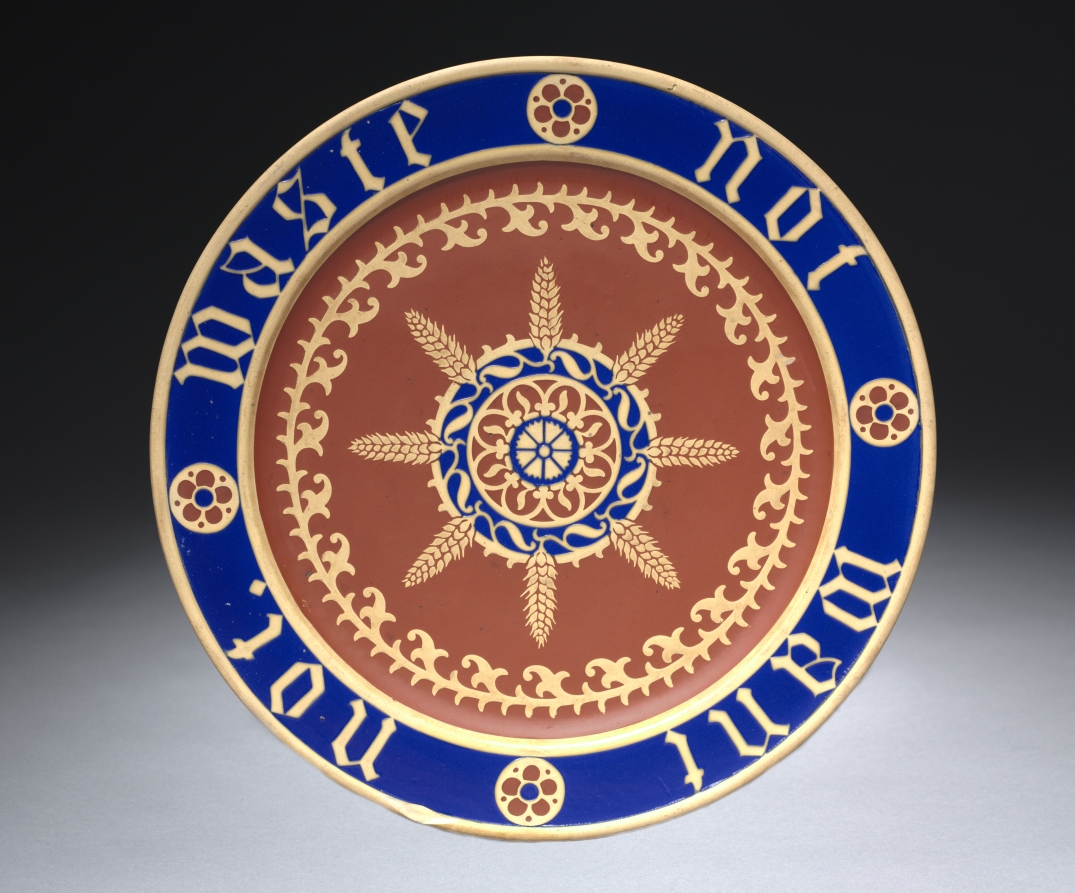
Urban Silhouette Research: The Bread Plate as Architectural Vessel
I. Geometric Integrity: The Circular Void as Structural Principle
The bread plate presents a deceptively simple geometry: a shallow concave disc, its radius predetermined by the span of a hand, its depth calibrated to the precise tolerance of a resting palm. This is not ornament. This is infrastructure. The plate’s circumference describes a closed system—a boundary condition that separates the contained from the uncontained, the served from the unserved. In the context of Addison Fashion’s 2026 executive silhouette, this circular integrity translates directly into the collar architecture: a neckline that does not gape or clutch but contains the throat with the same quiet authority as a plate contains bread.
The plate’s profile—a gentle concavity rising to a subtle rim—mirrors the human clavicle in repose. This is not coincidence. It is ergonomic poetics. The 2026 silhouette demands that structure emerge from anatomy, not oppose it. The plate teaches us that a curve, when correctly tensioned, requires no reinforcement. The rim is the seam. The well is the drape. The foot—that barely perceptible ring beneath—is the shoulder line, grounding the entire composition without announcing itself.
II. Materiality: Fired Clay and the Urban Surface
The plate’s material DNA is fired clay—earth transformed by heat into a substance that is simultaneously fragile and enduring. This is the urban materiality Addison Fashion must interrogate for 2026. The city is not glass and steel alone. It is also the terracotta of old sewer pipes, the ceramic tiles of subway walls, the baked brick of tenement facades. The bread plate carries this geological memory. Its surface, whether glazed or unglazed, records the kiss of the kiln—a thermal event that is both destruction and creation.
In textile terms, this translates to surface tension. The 2026 executive jacket should not gleam. It should absorb. Think of the plate’s matte finish, its refusal of specularity. A wool-silk blend with a short, dense nap. A double-faced cashmere that has been washed to remove luster. The plate does not reflect the room. It receives the room. This is the difference between a garment that performs authority and one that is authority—silent, self-contained, indifferent to the gaze it nonetheless commands.
III. The Poetics of Containment: From Socratic Death to Executive Presence
The internal DNA of this research invokes the Socratic death and the Greek Jar—two modes of confronting finitude. The bread plate belongs to the lineage of the Jar, not the painting. It does not narrate. It does not dramatize. It holds. And in holding, it proposes a radical alternative to the heroic silhouette: the executive who does not conquer but contains.
Consider the plate’s function at the table. It receives bread—a substance that is itself the product of transformation, of grain crushed and fired. The plate does not improve the bread. It does not decorate it. It simply provides the condition of possibility for the bread to be eaten. This is the essence of minimalist luxury: the garment that does not add but enables. The 2026 Addison executive does not wear a jacket to signal status. She wears a jacket that creates the spatial and psychological conditions for her work to occur.
The plate’s void—that shallow depression—is the architectural equivalent of the ma in Japanese spatial theory: the interval that gives form to the whole. In the 2026 silhouette, this void appears as the negative space between shoulder and hip, the deliberate non-intervention of the waist, the refusal to cinch or corset. The plate teaches that emptiness is not absence. It is capacity.
IV. The 2026 Executive Silhouette: A Speculative Geometry
Drawing from the bread plate’s formal logic, the 2026 Addison executive silhouette proposes the following:
Neckline: A shallow concave curve, neither high nor low, that mirrors the plate’s rim. No lapel. No collar stand. The fabric simply ends, as the plate’s rim simply ends.
Shoulder: Extended but not exaggerated. The shoulder seam sits precisely at the acromion, as the plate’s foot sits precisely at the table. No padding. No structure. The fabric’s own weight provides the line.
Body: A single, unbroken volume from shoulder to hem, interrupted only by the arm’s passage. No darts. No princess seams. The garment is a cylinder with apertures—a wearable vessel.
Surface: Matte, dense, slightly irregular. A textile that records the body’s heat and movement without shining. Sand-toned. Earth-derived. Fired, not polished.
V. Conclusion: The Plate as Manifesto
The bread plate is not a subject. It is a thesis. It argues that the most sophisticated form of power is the power to contain—to hold space, to receive without grasping, to endure without display. The 2026 Addison executive does not need the dramatic chiaroscuro of David’s Socrates. She needs the quiet circumference of the plate: a geometry of sufficiency, a materiality of earth and fire, a poetics of the void. She does not conquer the room. She holds it. And in holding, she defines it.
The plate does not explain. It carries. The silhouette does not perform. It is.