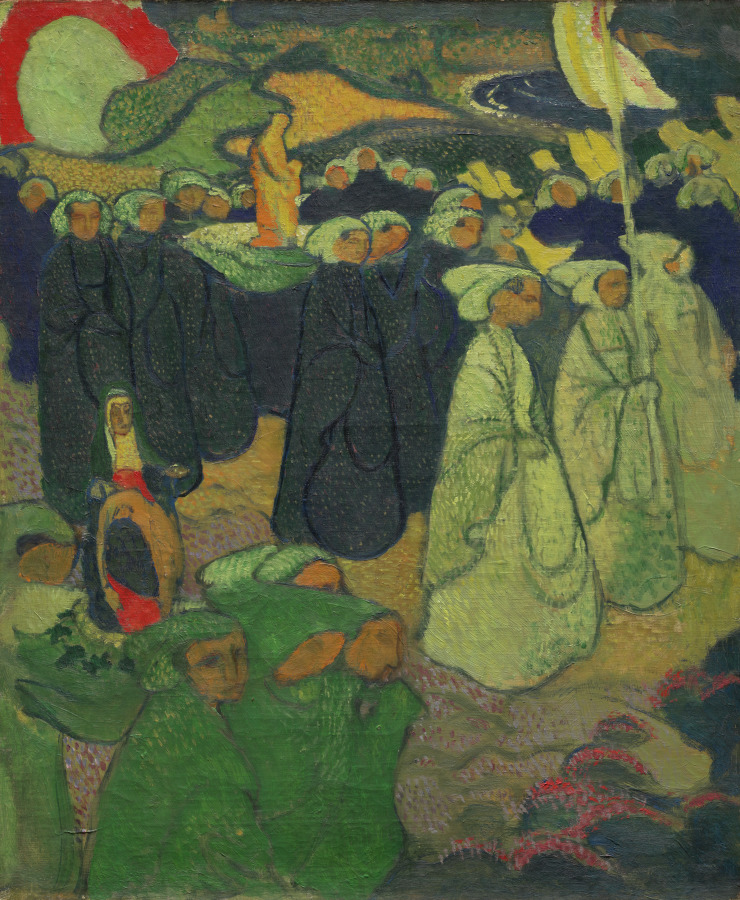
Urban Form: Procession or Pardon at Perros-Guirec
Technical Deconstruction of Form: The Dialectic of Rigor and Resonance
The proposed DNA source presents a profound dialectic between two archetypal forms: the dynamic, vertical ascension of Frémiet's Joan of Arc and the static, horizontal authority of the Shang-Zhou Jade Axe. For the 2026 NYC executive wardrobe, this is not a choice between aesthetics but a synthesis. The urban silhouette must become the vessel for this synthesis, translating "embodied sublimity" and "internalized authority" into a sartorial language of precision and potency. The core formal takeaway is the mastery of controlled contrast: between structural rigidity and fluid drape, between the sharpness of line and the softness of surface, between the assertion of presence and the restraint of expression.
Architectural Silhouette & Proportional Strategy
The Joan archetype informs a silhouette of vertical propulsion. This translates into elongated lines that prioritize the monochromatic column, achieved through unbroken visual stretches from shoulder to hem. Key executions include the floor-sweeping coat with minimalist seam detailing, the high-waisted, fluid trouser with a precise, ankle-skimming break, and the column dress constructed from a single piece of technically advanced wool-cashmere or matte jersey. The silhouette avoids volume for its own sake; instead, it employs strategic narrowness to create an impression of focused upward momentum, mirroring the sculpture's spiral composition.
Conversely, the Jade Axe contributes the principle of contained geometry and absolute symmetry. This is realized through silhouettes that prioritize clean, architectonic shapes—sharp shoulder lines (not exaggerated, but definitively structured), precise rectangular or A-line coats, and tailored pieces with geometric paneling. The "axe" form is metaphorically interpreted in sharp, angular necklines (deep Vs, precise squares), folded lapels that hold their shape like a honed edge, and hems that cut across the body with deliberate, uncompromising linearity. The body becomes the pedestal for these forms, with movement controlled and deliberate, echoing the ritualistic stillness of the artifact.
Materiality & Surface Tension
This is where the synthesis becomes critically technical. The bronze-and-flesh contrast of Joan finds its counterpart in the juxtaposition of materially divergent fabrics within a single look. The 2026 directive calls for the pairing of cold, hard surfaces with supple, warm substrates. Imagine a rigid, slate-grey wool-crêpe blazer, its surface almost mineral-like, worn over a shell of liquid silk charmeuse. Or a dress constructed from a technical neoprene-backed wool that holds a sculptural funnel neck, yet sleeves cut from a delicate, brushed technical knit. This creates the "drama of force" through tactile dissonance, demanding engagement beyond the visual.
The jade's philosophy of reduction dictates fabric selection and finishing. Materials must speak of inherent value and serene permanence. This points to the use of deadstock luxury fibers with a matte, non-reflective finish: double-faced wools, heavy-weight linen-cottons, and cupro fabrics with a dense, stone-like hand-feel. The "reduction" process is seen in the absence of superficial decoration; interest derives from the fabric's intrinsic weight, weave, and texture. Seams are meticulously finished, often internally, to present a flawless, almost monolithic exterior—the sartorial equivalent of being "patiently ground with jade-dust."
Chromatics of Authority: The Slate Monolith
The designated Slate color palette is the essential chromatic binder for this formal analysis. Slate is not a mere grey; it is a complex mineral hue, possessing the cool, detached gravity of stone (the axe) with the subtle, stratified depth of weathered metal (the patina on bronze). It serves as the perfect canvas upon which the form-driven contrasts are projected.
Strategic Monochromy & Tonal Depth
For 2026, we advocate for a monochromatic slate strategy, but one executed with tonal sophistication that avoids flatness. This involves building a single look from three to five variants of slate: a base of deep, charcoal slate for trousers or a skirt; a mid-tone mineral slate for a core garment like a dress or coat; and accents of pale, hazy slate or a green-infused slate (echoing bronze verdigris) in a shell or accessory. This creates a silhouette that is visually cohesive yet rich with subtle, almost geological depth, mirroring the layered symbolism of the source artifacts. It achieves the "internalized威仪" (wei yi) through chromatic restraint and tonal intelligence, rather than decorative color.
Color as Formal Amplifier
Within this slate continuum, color is deployed to accentuate formal decisions. A sharp angular seam or a stark panel can be subtly emphasized by using a slightly darker or lighter shade of slate at that junction. The "vertical propulsion" of the Joan-inspired column is enhanced by using a single, unbroken shade from neck to floor. The introduction of a single, minute accent—a fastening in darkened silver (not bright) or a lining in a muted oxidized copper tone—can reference the metallic weight of the sources without breaking the monolith. The palette remains austere, but its application is highly calculated to guide the eye and underscore the architectural intent of the garment.
2026 NYC Executive Wardrobe Synthesis: The Ritualized Uniform
The resultant wardrobe for the forward-facing NYC executive is one of ritualized potency. It moves beyond trend into the realm of personal armor and emblem. The day uniform becomes a architectural coat over a fluid column dress, all in tonal slate, marrying the axe's authority with the figure's ascension. The tailored suit is redefined: a jacket with the rigid, geometric purity of the axe head, paired with a pant that has the fluid, elongated line of the sculpture's base, again in harmonized slate tones.
Eveningwear follows the same doctrine—a gown that is a single, severe line from shoulder to floor, perhaps with a dramatic, sharp-folded drape at the torso (the "fold" of forged metal) or a back detail that is cut with the precise symmetry of a ritual object. The overall effect is one of calm, monumental authority. It is a wardrobe that does not shout but commands through the silent language of impeccable form, resonant materiality, and profound chromatic depth. It answers the source DNA's call to forge the hardest materials—here, rigorous design intellect and disciplined aesthetics—into a soft yet powerful epic for the urban landscape.