Urban Form: Hoyshaleshvara Temple Sculpture, Halebidu (Halebeedu)
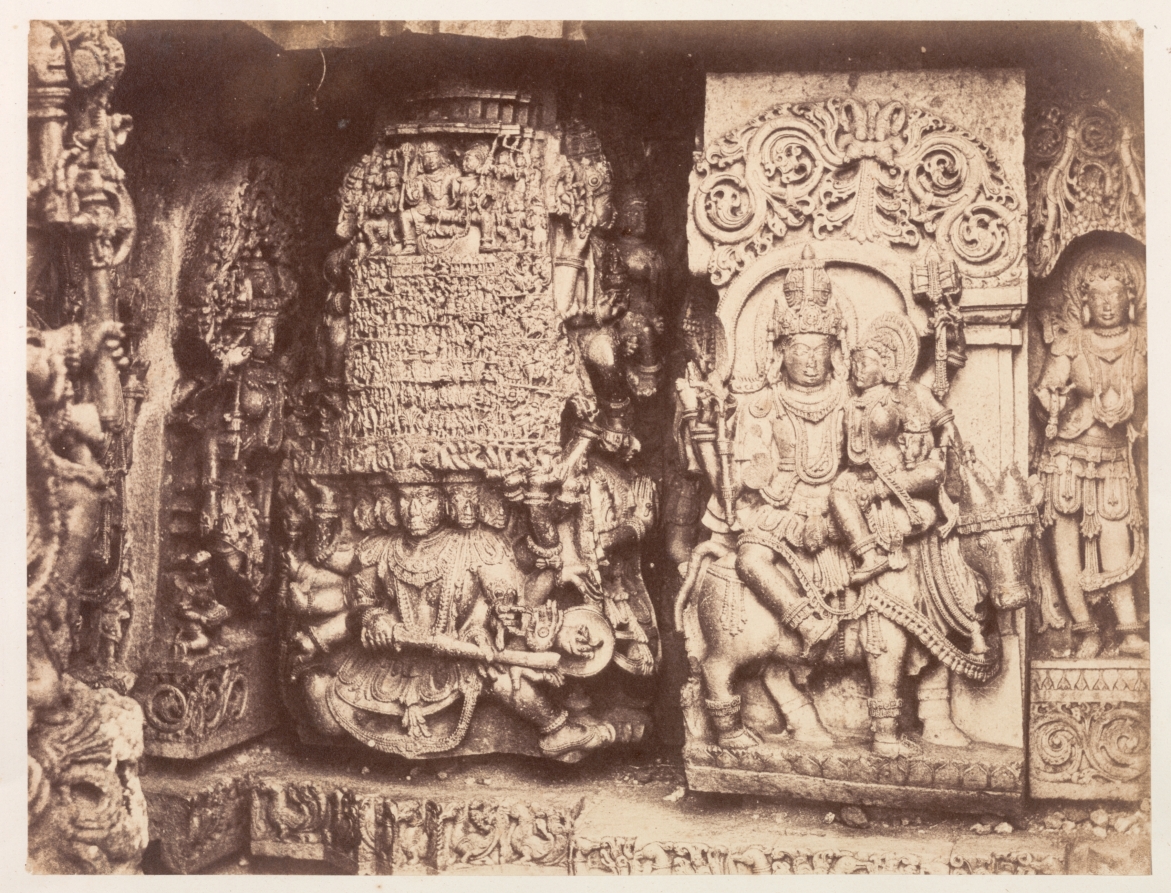
Urban Silhouette Research: Hoysaleshvara Temple Sculpture, Halebidu
Preliminary Structural Reading: The Soapstone Matrix as Architectural Discipline
The Hoysaleshvara sculpture is not ornament. It is load-bearing geometry rendered in soapstone, and it is precisely this distinction that qualifies the Halebidu reliefs as a primary reference for the 2026 executive silhouette. The chloritic schist—dense, close-grained, unforgiving—permitted the Hoysala workshops of the twelfth century to achieve a carving density that Western drapery traditions rarely approached: figures projected in high relief, layered in registers, each plane cut with a jeweler's tolerance. The result is a surface that reads as continuous, faceted mass rather than applied decoration. For Addison Fashion, this is the governing principle: silhouette as carved volume, not sewn volume. The 2026 executive form must behave like stone that has been subtracted from, not fabric that has been added to.
Geometric Integrity: The Register System and Vertical Continuity
The temple's wall articulation operates on a strict horizontal banding—plinth, frieze, figure register, cornice—each stratum separated by a projecting molding that functions as a structural datum line. Within each band, the carving obeys a vertical rhythm: the salabhanjika figures, the dancing Shiva, the intertwined nagas, all share a proportional cadence that locks them to the architecture rather than floating free. This is the critical lesson. The 2026 executive silhouette must adopt the same datum-line logic: shoulder seam, waist suppression, and hem must align to a vertical axis that reads as engineered, not draped. The Addison pattern block for the coming season will therefore treat the torso as a register—bounded above and below by clean, projecting seams—with the garment's internal structure (dart placement, canvas weight, seam allowance) concealed beneath a surface of uninterrupted plane. The eye should register three horizontal zones and one continuous vertical, exactly as the Halebidu wall registers read at twenty paces.
Structural Poetics: High Relief as Tailored Projection
The Halebidu figures are carved in high relief—projecting from the wall plane by as much as several centimeters—yet they never detach. They remain tethered to the matrix. This is the poetics of the anchored projection, and it is the precise mechanism the 2026 executive silhouette requires. A shoulder that projects but returns to the body. A lapel that lifts from the chest yet resolves into the seam. A sleeve head that carries architectural volume without collapsing into softness. The Addison interpretation will use structured shoulder projection with immediate return to the torso line—no padding drift, no shoulder slope ambiguity. The relief must read as intentional mass, cut clean, with shadow doing the work of definition. In soapstone, shadow is the second sculptor; in cloth, it is the tailor's most disciplined collaborator.
Urban Materiality: Soapstone Density Translated to Cloth
The materiality of Halebidu is cold, dense, and matte—chloritic schist holds a fine grain and refuses gloss. This is the material register for the 2026 executive wardrobe: Slate as the governing color, executed in high-twist worsteds, compact double-face wool, and bonded cotton with a dry, non-reflective hand. The fabric must hold a cut edge the way soapstone holds a chisel line—crisp, without fraying into softness. We specify minimum-surface-texture cloths: no nap, no sheen, no visible weave chatter. The urban materiality is that of the carved wall seen in flat northern light—monolithic, shadow-defined, and silent.
Silhouette Definition for 2026: The Carved Executive
The resulting silhouette is columnar with register breaks: a long, unbroken vertical line interrupted only by deliberate horizontal seams at the waist and yoke. Volume is concentrated at the shoulder and released at the hem in a controlled A-line that echoes the temple's battered wall profile. No darts are visible; suppression is achieved through internal structure, exactly as the Hoysala carver suppressed the stone's mass through undercutting invisible from the frontal plane. The garment must read as one carved gesture—architectural, cold, and exact. This is the Addison position: the executive silhouette of 2026 is not dressed. It is quarried.