Urban Form: Kneeling Satyr
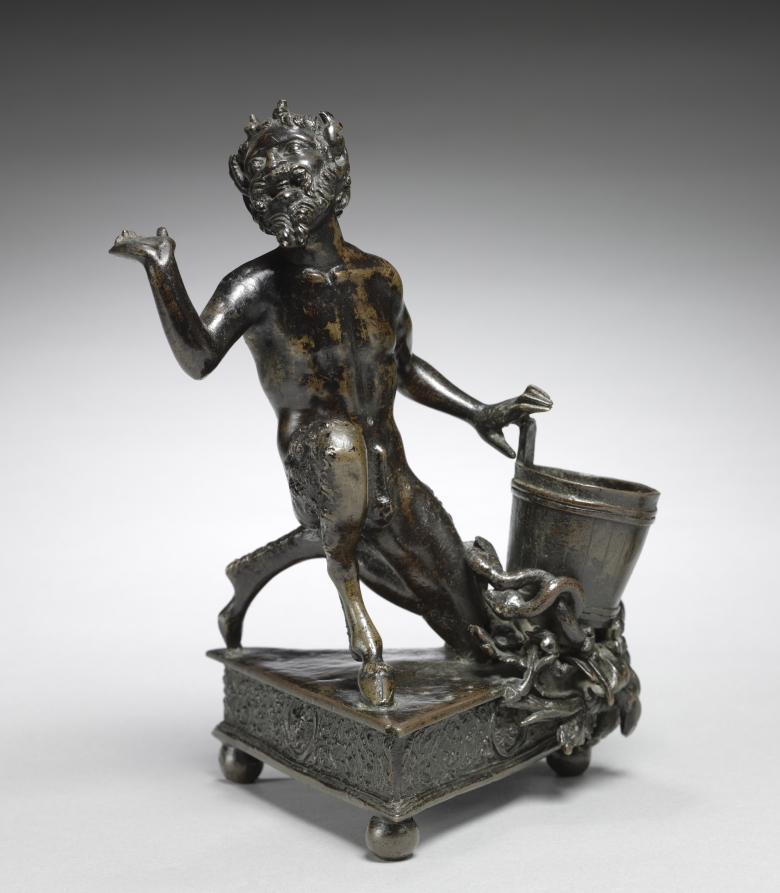
Urban Silhouette Research: Kneeling Satyr — Structural Poetics of the Contained and the Contorted
I. Preliminary Geometry: The Kneeling Axis as Executive Grammar
The Kneeling Satyr presents a silhouette governed by a single, uncompromising vertical descent — the spine — interrupted by a deliberate horizontal compression at the knee. This is not collapse; it is controlled load-bearing posture. The figure’s geometry resolves into two primary vectors: a descending column from cranium to pelvis, and a folded base that redistributes weight across a triangular footprint. For the 2026 executive wardrobe, this reads as the architectural kneel — a garment that descends with authority yet anchors itself through calculated asymmetry. The satyr’s torso does not slump; it cantilevers. The shoulder line, though rotated, retains a planar integrity that translates directly into the extended shoulder of the Addison tailored jacket: broad, unapologetic, but never aggressive. The silhouette is Minimalist not through absence, but through the elimination of decorative noise — every fold is structural, every crease a decision.
II. The Contained Infinite: Dutch Blue and the Discipline of the Bowl
The internal DNA of this research draws from the Delftware bowl — its concentric ripples, its reeds arcing in geometric obedience, its ducks suspended in a stillness that is achieved, not given. The satyr’s kneeling form echoes this containment. Observe the negative space between the figure’s bent arm and torso: it is a bowl-like cavity, a vessel of breath. In urban materiality, this translates to the sculpted hollow — a dropped crotch that does not sag but reservoirs volume, a sleeve that curves without clinging. The 2026 executive does not wear cloth; they wear calibrated void. The Delft blue’s icy crackle — time made visible without decay — informs our treatment of slate: a matte surface that records movement in subtle sheen shifts, never in wrinkles. The satyr’s skin, rendered in the original as taut and veined, becomes our bonded wool crepe: dense, responsive, and structurally honest.
III. The Expansive Conflict: Bosch’s Temptation and the Tension of the Fold
Against the bowl’s serenity, the Temptation of Saint Anthony contributes the drama of the joint. The satyr’s knee is not a soft hinge; it is a fulcrum of resistance. The thigh angles sharply against the shin, creating a wedge of compressed energy — the same energy that distorts the monsters in Bosch’s hellscape. For Addison’s 2026 silhouette, this wedge manifests as the articulated trouser: a darted knee, a tapered calf, a hem that breaks with precision rather than pooling. The satyr’s hoof — that unnatural termination — becomes our sculpted boot: a squared toe, a stacked heel, a shaft that grips the ankle like a vice of intention. Where the Delft bowl offers harmony, the satyr’s hoof offers productive dissonance — the reminder that executive presence is not comfort, but composure under load. The fabric must betray nothing; the body must betray everything.
IV. Materiality: From Crackle Glaze to Urban Patina
The satyr’s surface — weathered stone or bronze, depending on the iteration — speaks to urban materiality as a record of friction. The 2026 executive does not seek pristine; they seek patina with intent. Slate, as our chosen color, operates in the register of the Delft crackle: a cool, mineral gray that absorbs light rather than reflecting it, revealing texture only at close range. We specify double-faced cashmere for the outer layer — one face brushed, one face compact — so that the garment’s interior architecture is as considered as its exterior. The satyr’s kneeling posture demands fabric that holds a fold without collapsing: a 14-ounce wool-silk blend, sanforized and pressed with a sharp crease that survives the descent. The bowl’s ripples become topstitched radii at the yoke; the reeds become piped seams that trace the body’s structural lines without ornament.
V. The 2026 Executive Silhouette: A Synthesis of Vessel and Vortex
The Kneeling Satyr is neither the bowl nor the temptation — it is the intersection. The figure kneels, but the gaze lifts; the body compresses, but the silhouette expands upward through the shoulders. This is the Minimalist executive of 2026: a column of slate that narrows at the waist, widens at the shoulder, and terminates in a grounded, deliberate base. The geometry is tripartite — head, torso, folded limb — and each zone must read as a distinct architectural volume. The jacket is a bowl: a rounded, containing form with a clean interior. The trouser is a vortex: a spiral of tension from hip to hem. And the body within is the satyr: kneeling, but not fallen; contained, but not diminished. In the urban landscape, this silhouette moves through space as a mobile architecture — a structure that does not ask permission, does not apologize for its volume, and does not confuse softness with surrender. The satyr’s hoof strikes the ground; the executive’s heel strikes the pavement. The sound is the same: contact, declared.
Conclusion: The Kneeling Satyr offers Addison Fashion a definitive grammar for 2026: the contained infinite of the Delft bowl married to the expansive conflict of the temptation narrative. The silhouette is Minimalist in its discipline, Slate in its restraint, and architectural in its refusal to collapse. The executive does not sit; they kneel into power — and the garment must record that decision in every seam.