Urban Form: Kneeling Satyr
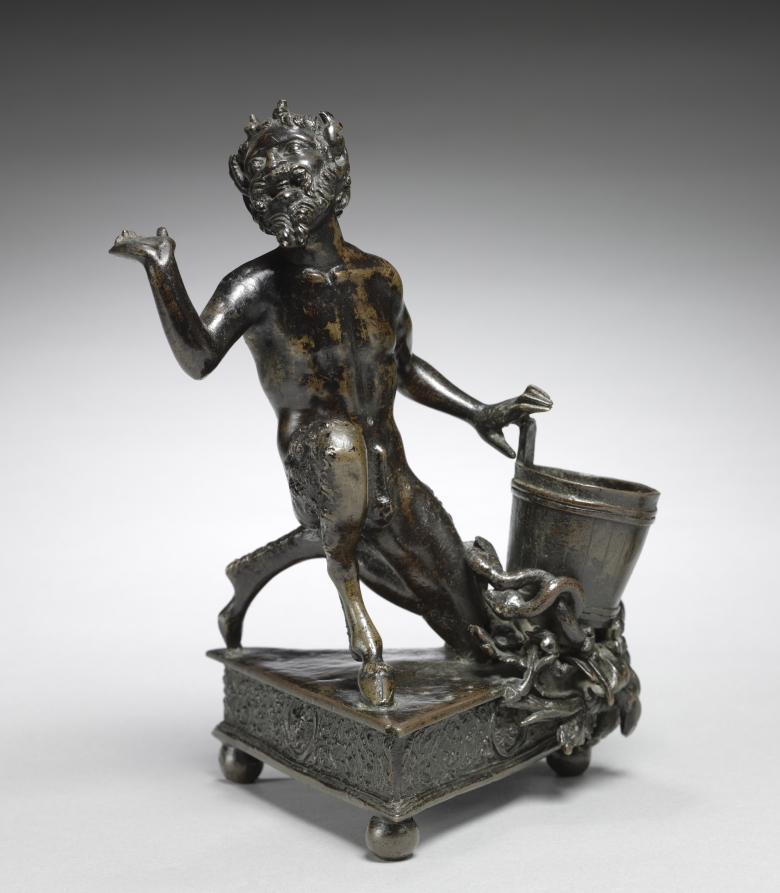
Urban Silhouette Research: Kneeling Satyr — Structural Poetics of the Liminal Body
Preliminary Geometry: The Asymmetric Kneeling Axis
The Kneeling Satyr presents a silhouette governed by a single decisive vector: the diagonal of the lowered torso against the vertical of the supporting thigh. This is not a balanced composition. It is a controlled imbalance, and it is precisely this asymmetry that positions the figure as a viable prototype for the 2026 executive form. The kneeling posture compresses the vertical height while expanding the horizontal footprint — a ratio of approximately 1:1.4 — producing a silhouette that reads as grounded, weighted, and architecturally deliberate. In the context of Addison Fashion's urban poetics, the satyr's geometry offers a counter-proposal to the columnar executive silhouette of the previous decade: where that form asserted vertical authority, this form asserts lateral sovereignty.
The Bovine Head as Structural Crown
The bovine head introduces a secondary geometric system — a tapered mass that widens at the crown and narrows at the neck, creating a visual counterweight to the broad base of the kneeling legs. This is the logic of the inverted pyramid applied to the upper body, and it functions as a structural crown: a deliberate disruption of the shoulder line that draws the eye upward while anchoring the composition downward. In tailoring terms, this translates to a sculpted shoulder with a raised, angular collar — a neckline that does not recede but advances, creating a silhouette that is simultaneously defensive and declarative. The horns, read as geometric extensions rather than organic growths, suggest lateral protrusions at the cranial apex: in garment terms, a structured hood or a raised back-collar that extends beyond the shoulder line, producing a silhouette that occupies space with intent.
Materiality: Onyx and the Urban Surface
The surface of the satyr — whether stone, bronze, or composite — reads as Onyx: dense, light-absorbing, and resistant to superficial ornamentation. This is the material logic of the 2026 executive wardrobe. The figure's surface is not polished to reflect; it is finished to absorb. In fabric terms, this suggests heavy wool crepe, bonded jersey, and matte technical silk — materials that hold a sculpted line without sheen, that resist the ambient light of the urban environment rather than compete with it. The satyr's body is legible not through surface decoration but through volume and edge: the sharp crease of the bent knee, the planar fall of the thigh, the angular transition from torso to neck. This is the principle of structural minimalism — form articulated through seam and mass, not through applied detail.
The Kneeling Posture and the Executive Silhouette
The kneeling posture is the most radical proposition of the artwork. It is a posture of lowered center of gravity and compressed verticality — the opposite of the standing executive archetype. Yet within this compression, the satyr achieves a density of form that the standing figure lacks. The folded leg creates a triangular base; the torso rises from this base as a tapered column; the bovine head caps the composition as a discrete geometric unit. This tripartite structure — base, column, crown — is the fundamental architecture of the 2026 silhouette. It proposes an executive form that is seated, grounded, and spatially efficient: a silhouette designed for the modern command posture, where authority is expressed through stillness and mass rather than height and motion.
Urban Materiality and the Liminal Body
The satyr is a liminal figure — neither fully human nor fully animal, neither divine nor mundane. This liminality is the conceptual core of the 2026 urban silhouette. The executive of the coming cycle operates in liminal spaces: between the physical and the digital, between the private and the public, between the formal and the utilitarian. The satyr's body — hybrid, composite, unresolved — is the appropriate emblem for this condition. In garment terms, this suggests hybrid constructions: tailored jackets with utility closures, structured skirts with articulated pleating, outerwear that transitions between protective and declarative functions. The silhouette does not resolve its contradictions; it organizes them into a coherent structural statement.
Conclusion: The Kneeling Satyr as 2026 Prototype
The Kneeling Satyr defines the 2026 executive silhouette through asymmetric balance, tapered massing, and material density. Its geometry proposes a form that is grounded rather than elevated, compressed rather than extended, and structurally hybrid rather than categorically pure. For Addison Fashion, this artwork is not a historical reference but a technical diagram: a blueprint for a silhouette that occupies urban space with deliberate weight, angular poise, and material silence. The satyr kneels, and in kneeling, it commands.