Urban Form: Carving from an Overmantel
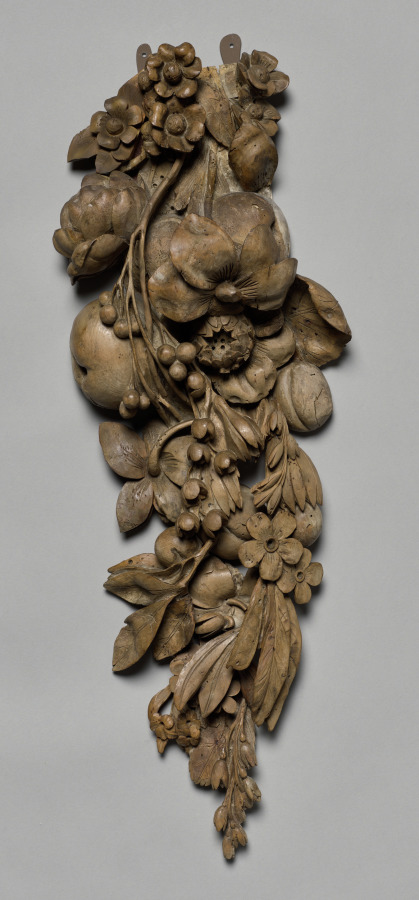
Urban Silhouette Research: Carving from an Overmantel
I. The Geometric Integrity of the Overmantel
The overmantel is not a decorative object. It is an architectural proposition—a horizontal datum carved into vertical mass, a lintel that negotiates between the gravitational pull of the hearth and the ascending void of the wall. Its geometry is fundamentally rectilinear and load-bearing: a disciplined perimeter, a shallow relief, a plane that refuses ornament in favor of proportion. The carving, where it exists, is subordinate to the frame—an incision rather than an appliqué. This is the first principle of the 2026 executive silhouette: structure precedes surface. The overmantel teaches that authority is not applied; it is quarried.
Geometrically, the overmantel operates on a strict horizontal-vertical grid. There is no diagonal, no flourish, no gesture toward the baroque. Its integrity derives from the tension between the mass of the wall and the void of the firebox below—a negative space that the mantel must both crown and contain. This is a silhouette defined by what it frames, not by what it displays. Translated to the body, the 2026 executive line adopts this logic: a shoulder that crowns a void, a waist that contains without constricting, a hem that terminates rather than trails. The garment becomes a lintel—a horizontal certainty suspended over a vertical ambition.
II. Structural Poetics: The Carved Plane
The carving itself—shallow, disciplined, legible only at close range—is the poetics of the overmantel. It does not narrate. It does not dramatize. It inscribes. This is the distinction between the theatricality of David's Death of Socrates and the silence of the garment chest: the overmantel belongs to the latter lineage. Its relief is a whisper in stone, a texture that rewards proximity rather than distance. For Addison Fashion, this translates into a material philosophy of subdued incision: seams that read as carved lines, darts that function as structural relief, topstitching that is felt before it is seen.
The poetics here are tectonic. The overmantel does not float; it bears. Its beauty is the beauty of the corbel—a form that exists because gravity demands it, and that achieves elegance precisely through that obedience. The 2026 executive silhouette must adopt this tectonic honesty. Padding is not added; it is engineered as structure. A shoulder is not a slope but a shelf. A lapel is not a decoration but a cantilever. The wearer does not wear the garment; the garment bears the wearer—and in that bearing, confers authority.
III. Urban Materiality: Stone, Patina, and the Executive Surface
The overmantel is urban before the city existed. It is masonry—slate, limestone, and the slow accumulation of soot—a materiality that records time without announcing it. The patina of the overmantel is not decay; it is evidence of endurance. This is the material register for the 2026 executive wardrobe: surfaces that do not shine but absorb, fabrics that hold their shape through compression rather than rigidity, colors that read as mineral rather than pigment.
Slate—the color of this research—is the precise register. It is neither black nor grey but a compressed geological neutrality, a tone that refuses the theatricality of onyx while rejecting the softness of sand. In material terms, the overmantel suggests dense wool, bonded cashmere, and matte-finish leather—surfaces that resist the urban glare and instead register the ambient light of the interior. The executive silhouette of 2026 is not reflective; it is receptive. It does not signal status through sheen but through mass, proportion, and the quiet authority of the carved plane.
IV. The Silhouette Defined: From Overmantel to Body
The translation from architecture to garment is a matter of scale and gravity. The overmantel's horizontal certainty becomes the shoulder line—level, unapologetic, structurally resolved. Its vertical containment becomes the column of the coat—a single unbroken plane from clavicle to hem, interrupted only by the necessary relief of the closure. The void it frames becomes the negative space at the neck and wrist—the body's own firebox, the aperture through which the wearer's presence is read.
This is a silhouette of carved minimalism: not the minimalism of absence, but the minimalism of removal—the sculptor's logic, where everything unnecessary has been quarried away. The 2026 executive does not layer; they excavate. The result is a form that is simultaneously monumental and wearable, a garment that functions as the overmantel functions: as the crowning horizontal of a vertical life, bearing weight, framing void, and inscribing—quietly, permanently—the geometry of authority.
Conclusion: The overmantel is not a relic. It is a specification. Its geometric integrity—rectilinear, load-bearing, incision over ornament—defines the 2026 executive silhouette as a structure of carved restraint. In slate, in mass, in the disciplined silence of the carved plane, Addison Fashion locates the urban poetics of the coming season: authority without announcement, form without flourish, and the enduring elegance of the load-bearing line.