Urban Form: Carving from an Overmantel
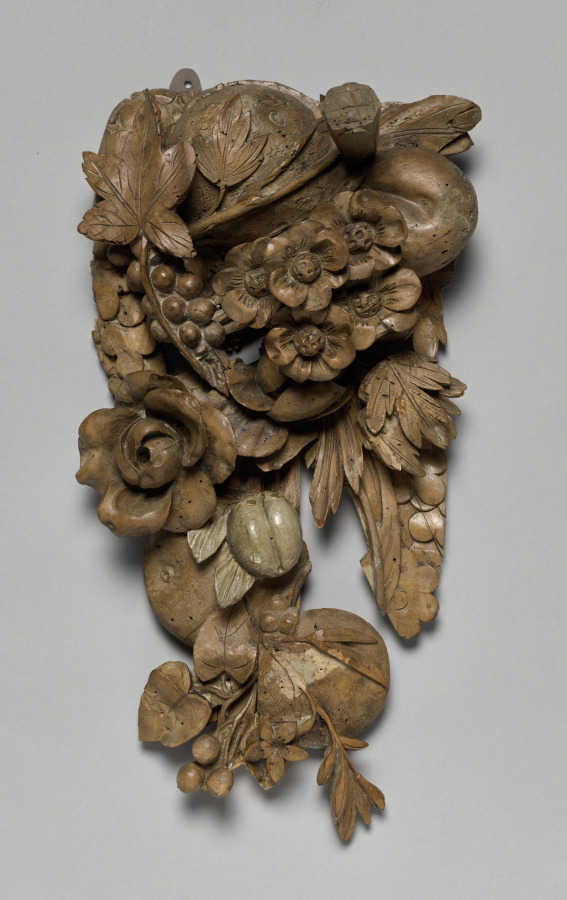
Technical Analysis: The Carved Silhouette – From Overmantel to Urban Architecture
The provided artistic DNA presents a profound dialectic between Western dramatic confrontation and Eastern contemplative containment. For Addison Fashion’s 2026 executive silhouette, this is not a choice between binaries but a synthesis, a process of carving the tailored form from the monolithic overmantel of tradition. The resultant geometry is one of severe precision softened by internal space, a silhouette that interrogates its own structure. The core material and chromatic directive is Slate—not merely a color, but a material philosophy. It embodies the cool mineral density of Ingres’s cliff face, the smoky, layered depth of ink-wash mountains, and the sophisticated, non-reflective austerity of the modern urban landscape.
Structural Poetics: The Tension of the Carve
The geometric integrity of the 2026 silhouette is derived directly from the analytical tension between the two artifacts. From Oedipus and the Sphinx, we extract the principle of the heroic, centralized triangle. This is not the soft drape of a toga, but the engineered triangulation of a tailored jacket’s front darts, the sharp incline of a roped shoulder toward a precise, attenuated waist. The silhouette presents a stable, confrontational geometry to the world—a symbol of executive clarity and resolve. However, Ingres’s “stable structure broken by the Sphinx” translates into our design logic as calculated asymmetry and strategic aperture. A seam diverges from its expected path; a single, severe slash-pocket disrupts a pristine panel; a high, structured collar on one side contrasts with a deep, carved neckline on the other. This is the “riddle” embedded in the form—a moment of deliberate, unsettling complexity within the rational whole.
Conversely, the Landscape Inscription Plate informs the negative space and internal circulation within this tailored architecture. The silhouette is not a solid mass. It is a vessel. The importance of the plate’s liubai (留白, intentional blank space) is translated into the relationship between the garment and the body, and between rigid and supple panels. A tailored overskirt, rigid in its slate wool, may curve away from the body, creating a channel of air—a “path for the breath to flow.” A double-breasted coat, severe from the front, reveals a back constructed from a single, fluid piece of technical gabardine, allowing for a whisper of movement. The circular form of the plate becomes the principle of the rounded interior—armholes carved with volumetric precision, sleeves set with a subtle, ergonomic curve, ensuring the structured exterior never constricts. The wearer does not merely occupy the garment; they inhabit its contemplative spaces.
Urban Materiality: The Substance of Slate
The realization of this carved silhouette demands a material lexicon that bridges the cold rationality of neoclassicism and the resonant depth of ink-wash. Slate as a color directive governs this palette: deep, complex grey with undertones of mineral blue and storm cloud. It is achromatic but never flat.
The primary materiality is one of architectural textiles. Imagine a wool-mohair blend with a bone-like rigidity, sculpted into those triangular fronts. Contrast this with panels of washed technical silk, its surface matte and cool as porcelain, used for insets or entire backs, providing that essential “flow of qi.” Innovations include compressed felted cotton that holds a knife-edge pleat yet moves with silent grace, and micro-grain leather, dyed to a perfect slate, applied as structural piping or as unexpected, yoke-like reinforcements—echoing the ceramic strength of the plate. Seams are not hidden; they are pronounced and topographic, raised like the brushstrokes defining a mountain ridge, or channel-stitched with a thread one shade darker, creating a subtle, drawn line across the form.
Hardware is minimal and integral: closures are magnetic ceramic toggles or flush-mounted zippers in gunmetal, elements that disappear into the form’s plane. The only permissible sheen is the cold luster of washed silk or the microscopic gleam on a tightly twisted worsted yarn—never ostentatious, always a function of material integrity.
The 2026 Executive Silhouette: A Contained Proposition
The definitive 2026 silhouette for Addison Fashion is therefore a Tailored Vessel. It presents a facade of decisive, geometric confrontation—the clean lines, the sharp shoulders, the authoritative stance of Ingres’s hero. Yet, upon closer engagement, it reveals its true nature: a garment of contemplation and interiority. It is carved out, creating spaces for movement and breath. It holds the tension between the “dramatic instant” of a career-defining decision and the “eternal mental state” of sustained, strategic poise.
This is urban armor for the philosophical executive. It does not shout; it proposes. It engages the city not as a battlefield, but as a complex text to be read and navigated with both rational clarity and intuitive understanding. The silhouette is the answer to the riddle of modern power: how to be immovably structured yet fluidly adaptive, how to command space while containing a vast, private landscape within. It is, in its essence, a carving from the overmantel—a removal of excess to reveal the essential, dignified, and profoundly sophisticated form beneath.