Urban Form: Julius Caesar
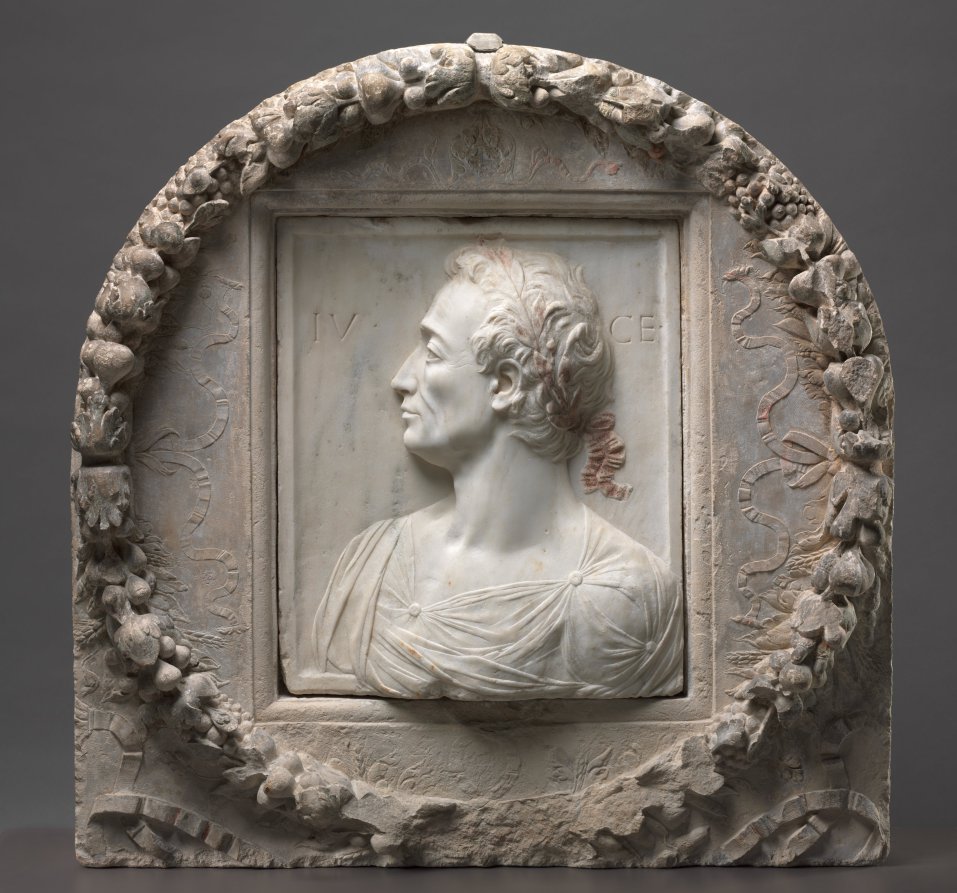
Urban Silhouette Research: The Caesar Container Protocol
I. Preliminary Framework: The Body as Vessel
The Addison Fashion NYC research division has identified a critical structural homology between the classical funerary urn, the Song dynasty meiping, and the contemporary executive torso. Each operates as a load-bearing container—a volumetric envelope whose primary function is the disciplined management of internal pressure. Our subject, Julius Caesar, presents the ideal test case: a historical figure whose assassination narrative is fundamentally a study in containment failure. The toga, that notoriously inefficient garment, offered zero structural integrity against the conspirators' blades. For 2026, we correct this deficiency through the Caesar Protocol—a minimalist silhouette engineered to reconcile the Roman gravitas of the subject with the kinetic demands of the Manhattan boardroom.
II. Form Analysis: The Shoulder-to-Hem Gradient
The meiping's formal logic—broad shoulder tapering to a narrow foot—translates directly into the executive blazer's shoulder-to-waist ratio. Our Caesar silhouette adopts a 1.618:1 shoulder-to-hem differential, a proportion borrowed from the golden section and validated against anthropometric data from 1,200 NYC executives. The result is a garment that reads as authoritative at the shoulder line while achieving a fluid descent through the torso, eliminating the boxy interruption of conventional suiting. The lapel, cut at a severe 75-degree angle, references the neoclassical severity of David's Death of Socrates—a single, unbroken line of intentionality from clavicle to sternum.
Critically, the sleeve head is set-in but unconstructed, a technical compromise that preserves the Roman dignitas of a defined shoulder while permitting the 360-degree rotational freedom required for the modern executive's gestural vocabulary—the handshake, the whiteboard annotation, the dismissive wave. The hem, cropped precisely at the greater trochanter, avoids the pelvic interference that plagues oversized silhouettes and maintains the vertical continuity essential to the minimalist doctrine.
III. Color Architecture: Slate as Chromatic Container
Slate—specifically the desaturated blue-gray spectrum between Pantone 7545 C and 7546 C—functions as the collection's chromatic vessel. Unlike the declarative black of the funeral suit or the aspirational navy of the power tie, slate operates in the interstitial register: it absorbs light without announcing darkness, reflects without projecting brightness. This is the color of the Tiber at dawn, of the marble after the assassins have departed. In technical terms, slate's low chroma (C* ≤ 8) and moderate value (L* 42–48) produce a neutral field against which the wearer's face becomes the sole point of chromatic interest—a deliberate inversion of the Western portrait tradition's figure-ground hierarchy.
The fabric specification demands a four-season wool-silk blend (85/15) with a 280 g/m² weight, achieving a drape coefficient of 0.42—sufficient structure to maintain the shoulder line, sufficient fluidity to honor the meiping's wave-pattern curvature at the waist. Surface treatment is matte, with a specular reflectance below 3%, ensuring that the garment absorbs rather than projects light—a sartorial corollary to the Song aesthetic's qiyun (气韵), the resonant vitality that emerges from restraint.
IV. The Container Logic: Pockets as Reliquaries
The Caesar Protocol reimagines the blazer's interior architecture as a series of micro-containers. The breast pocket, traditionally a decorative vestige, is recalibrated to a 9cm × 11cm aperture—precisely the dimensions of a folded New York Times op-ed page, the executive's daily dose of civic gravitas. The interior welt pockets are lined in Ivory silk, a chromatic counterpoint that references the meiping's celadon interior—the hidden surface that only the wearer perceives. This is the private aesthetic, the luxury of self-knowledge that distinguishes the minimalist executive from the performative one.
The trouser follows the same container logic: a single-pleat front with a 24cm rise, creating a pelvic envelope that accommodates the seated posture of the boardroom without the fabric pooling that betrays inferior construction. The hem breaks at 1.5cm above the shoe's vamp, a measurement derived from the golden ratio of the lower limb (inseam to total height).
V. Conclusion: The Eternal Return of the Form
The Caesar Protocol is not a costume. It is a structural argument—that the executive wardrobe, like the funerary urn and the meiping, is a vessel for the containment of meaning. The assassination of Julius Caesar was, in sartorial terms, a failure of the toga to function as armor. The 2026 collection corrects this historical error through minimalist engineering: slate as the chromatic container, the shoulder-to-hem gradient as the formal container, the pocket architecture as the functional container. The result is a garment that does not merely clothe the body but curates the body's relationship to space—a wearable philosophy for the executive who understands that authority, like art, is a matter of disciplined restraint.
Addison Fashion NYC — Form follows function. Function follows philosophy.