Urban Form: The Rocky Seashore
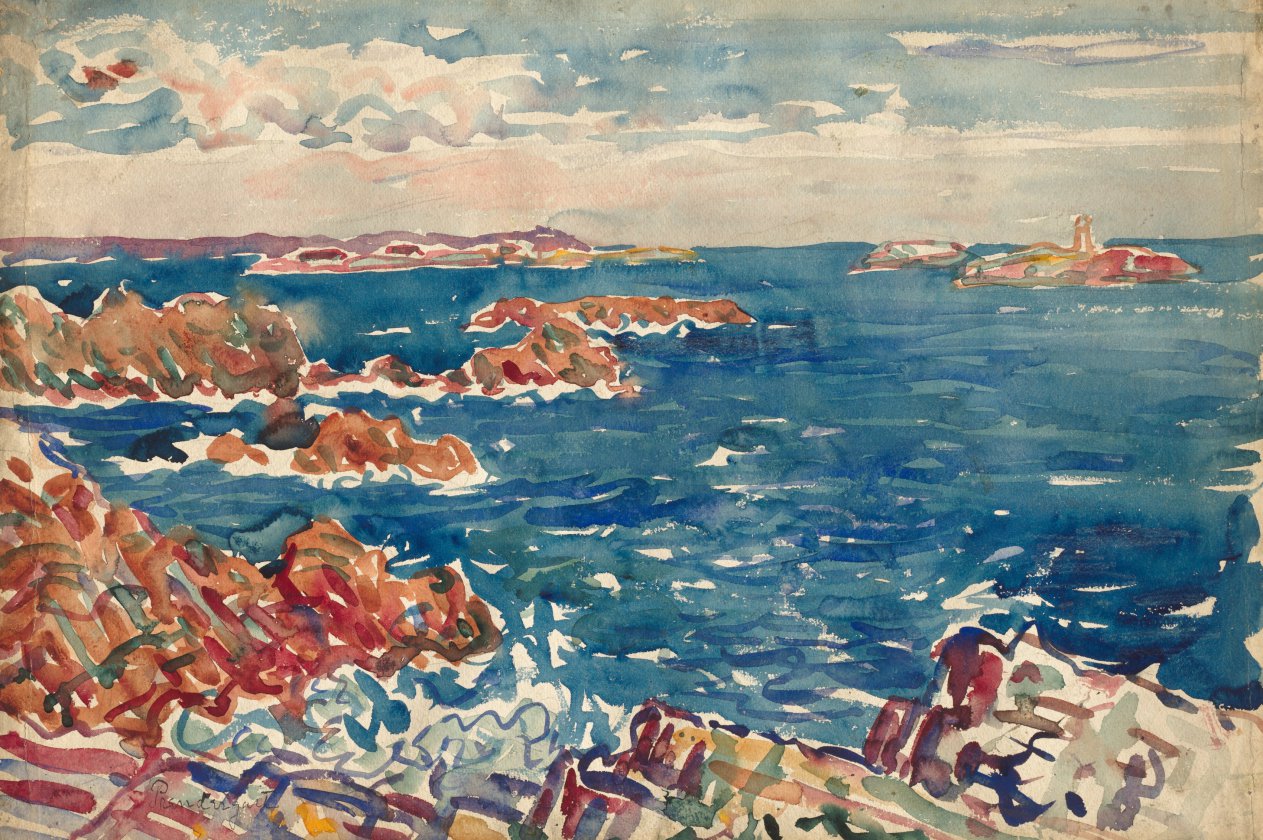
Technical Analysis: The Rocky Seashore as an Urban Silhouette Paradigm
The subject, “The Rocky Seashore,” is not a literal landscape. It is a metaphysical construct derived from the intersection of two disparate artifacts: a Kyoto temple plaque bearing the absent name “Udumbara Flowers” (Udonge) and Piero della Francesca’s The Hunt. The plaque signifies an object that does not exist—a flower that blooms once every three millennia, yet is never present. The painting freezes a moment of kinetic pursuit into a crystalline, geometric stasis. Both artifacts operate on the same principle: they frame absence and arrest time. For the 2026 NYC executive wardrobe, this translates into a silhouette that is not about volume, texture, or ornamentation, but about the negative space between the body and the garment, and the frozen tension of a line that could move but chooses not to.
I. Form: The Geometry of the Void
The Udonge plaque’s power lies in its empty signifier. The calligraphy is present, but the flower it names is absent. This is a direct analogue to the minimalist silhouette: the garment is present, but its purpose is to point to the body’s absence. We are not dressing the body; we are dressing the space around it. The Rocky Seashore silhouette, therefore, rejects the organic, flowing lines of fluid draping. Instead, it adopts the rigid, planar geometry of Piero della Francesca’s composition.
In The Hunt, the horses and hunters are not in motion; they are frozen in a perfect, geometric arrangement. The arrow is not flying; it is a line. The hounds are not running; they are vectors. For the urban wardrobe, this means constructing a jacket or coat as a series of flat, interlocking planes. The shoulder is not a curve; it is a sharp, angular shelf. The lapel is not a fold; it is a straight, unbroken line from collarbone to waist. The silhouette is deliberately anti-anatomical. It does not follow the body’s natural contours; it creates a new, abstract architecture that the body inhabits.
The key technical term here is “negative tailoring.” This is not about padding or structure to create volume. It is about subtraction. The fabric is cut with such precision that the garment holds its shape through tension and seam placement alone. There is no internal canvassing. The jacket’s front is a single, unbroken panel of slate wool, cut on the bias to create a slight, almost imperceptible torsion—a reference to the frozen arrow in The Hunt. The back is a flat, unarticulated plane, devoid of waist suppression. The garment does not “fit” the body; it frames it, like a painting frame contains a canvas.
II. Color: Slate as the Color of Absence
The chosen color is Slate. This is not a neutral gray. It is a specific, geological gray—the color of the rocky seashore at low tide, when the water has receded and left behind a wet, dark, mineral surface. It is the color of the temple plaque’s wood after centuries of incense smoke and humidity. It is the color of the sky in Piero della Francesca’s The Hunt—a pale, cold, unforgiving light that flattens all form.
Slate functions as a chromatic void. It absorbs light rather than reflecting it. In the context of the Udonge plaque, it is the color of the absence of the flower. The flower is not white, not pink, not gold. It is slate—the color of the space where the flower should be. For the executive wardrobe, this means the garment does not announce itself through color. It recedes. It becomes a background against which the wearer’s actions are foregrounded. The slate suit is not a statement; it is a silence.
Technically, achieving this requires a fabric with a matte, almost chalky finish. A worsted wool with a high twist, woven in a plain weave to minimize texture. The surface should be flat and uniform, like a sheet of slate. Any sheen would introduce a temporal element—a reflection of light that changes with movement. The goal is stasis. The fabric must look as if it has been quarried, not woven.
III. Application: The 2026 NYC Executive Wardrobe
The Rocky Seashore silhouette translates into three key pieces for the urban executive:
1. The Slate Overcoat (The “Udonge” Coat)
A floor-length, single-breasted coat with a flat, unrolled collar. No lapel gorge. The collar is a straight, horizontal band that sits at the base of the neck, like a temple plaque. The front closure is invisible—a hidden placket with magnetic snaps. The coat is cut with zero waist suppression, falling straight from the shoulder to the hem. The sleeves are set in with a high, narrow armhole, restricting movement to a deliberate, frozen posture. The hem is unfinished—a raw edge that suggests the coat was cut from a larger slab of stone.
2. The Geometric Jacket (The “Hunt” Jacket)
A cropped, boxy jacket with a sharp, square shoulder. The front is a single panel, cut on the bias to create a subtle, diagonal torque—the frozen arrow. The lapels are absent. Instead, the jacket has a high, stand collar that extends into a flat, horizontal line across the chest. The pockets are invisible, cut into the seam. The back is a flat, unbroken plane with a single, vertical seam at the center—a reference to the vertical axis of the temple plaque’s calligraphy. The jacket is worn unbuttoned, revealing the slate shirt beneath—a void within a void.
3. The Trousers (The “Tidal” Pant)
A straight, wide-leg trouser with a flat front and no pleats. The waistband is hidden—a simple, elasticated band that sits at the natural waist. The trousers fall in a single, unbroken line from hip to hem, with a slight, deliberate break at the shoe—the only point where the garment acknowledges gravity. The hem is unfinished, like the coat. The fabric is the same slate wool, creating a monolithic, total look.
IV. Conclusion: The Silence of the Form
The Rocky Seashore is not a trend. It is a philosophical position. It rejects the narrative of the body, the movement of the hunt, and the spectacle of the flower. It embraces the void, the stasis, and the absence. For the 2026 NYC executive, this is not a wardrobe of comfort or expression. It is a wardrobe of discipline. The slate silhouette is a frame for the wearer’s actions, a silence that allows their work to speak. It is the unseen flower, the frozen arrow, the rocky shore at low tide—a form that exists only to point to what is not there.