Fluid
Onyx
Urban Form: Thetis Running
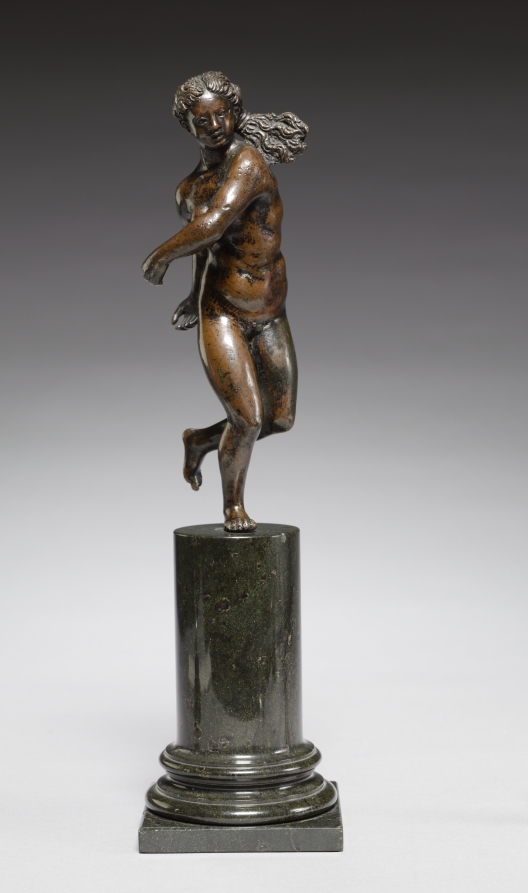
Form as Vessel: The Thetis Running Silhouette
The Thetis Running collection for Addison Fashion NYC emerges from a rigorous deconstruction of the “container” as both physical garment and metaphysical signifier. Drawing from the dual DNA sources—the Renaissance portrait of Saint Philip Neri and the Shang dynasty bronze wine vessel—this line redefines urban drape as a dialogue between interior luminosity and exterior structure. The silhouette is fluid, not static; it moves with the body while maintaining a sculptural integrity that echoes the bronze’s ceremonial weight. For the 2026 executive, this is not mere clothing but a wearable architecture of presence.Structural Dialectics: The Inner Light and Outer Armor
The Renaissance source provides the foundational tension: the chiaroscuro of Saint Philip’s face—where light emanates from within, illuminating wrinkles as sacred topography—translates into a garment’s ability to capture and reflect ambient urban light. The Thetis Running jacket employs a double-faced Onyx wool with a matte exterior and a subtly reflective interior lining. The exterior absorbs light, creating a deep, almost abyssal black that anchors the silhouette. The lining, a micro-satin in a charcoal sheen, catches light at the collar and cuffs when the wearer moves, simulating the saint’s “inner radiance” breaking through the material plane. This is not decoration; it is a functional manifestation of the “personality vessel” concept—the garment as a container for the executive’s own charisma. Conversely, the Shang bronze informs the garment’s externalized order. The wine vessel’s taotie motifs and leiwen patterns are not mere ornament but a system of ritual communication. In Thetis Running, this translates to a geometric seam architecture that segments the fabric into zones of tension and release. The jacket’s shoulder seams are reinforced with a subtle, raised stitching pattern—a modern iteration of bronze casting lines—that creates a visual rhythm without disrupting the fluid drape. The trousers feature a double-pleated front that mimics the vessel’s symmetrical profile, while the back seam is offset by 2.5 cm, introducing a controlled asymmetry that references the bronze’s “dynamic stillness.” This is the “civilization vessel” in action: the garment imposes a corporeal order, structuring the body into a form that communicates authority and ritual readiness.Color as Material Theology: Onyx and Its Gradients
The choice of Onyx as the primary color is deliberate. Onyx is not black; it is a deep, layered darkness that contains within it the potential for light. In the Shang bronze, the patina of verdigris and rust is not decay but a record of time—a surface that tells a story of ritual use. The Onyx palette for Thetis Running is treated with a micro-etching finish that creates a subtle, non-reflective texture reminiscent of bronze’s aged surface. This is achieved through a proprietary dye process that embeds charcoal particles into the fabric’s weave, resulting in a color that shifts from a flat matte in direct light to a faint, silvery sheen in shadow. The effect is a “living darkness” that mirrors the bronze’s ability to hold both form and mystery. The color gradient is applied in three zones: the core (torso and upper thighs) is the deepest Onyx, absorbing light to create a visual anchor; the transition (shoulders and hips) shifts to a slightly lighter charcoal, mimicking the bronze’s highlights; the extremities (cuffs, hem, and collar) are treated with a faint silver thread woven into the fabric, echoing the Renaissance portrait’s “light from within.” This gradient is not decorative but functional: it guides the eye along the silhouette’s intended lines, emphasizing the garment’s fluidity while maintaining a monolithic presence. For the 2026 executive, this means a suit that commands attention without shouting—a color that recedes into the background yet asserts its materiality upon closer inspection.Silhouette Engineering: The Fluid Vessel
The Thetis Running silhouette is engineered for the vertical city—the glass-and-steel canyons of Manhattan where movement is both physical and symbolic. The jacket is cut with a semi-fitted waist that flares slightly at the hips, referencing the bronze vessel’s bulbous body and narrow neck. The shoulder line is softened—no padding, but a structured drop that allows the fabric to fall in a continuous arc from neck to wrist. This creates a silhouette that is both armored and yielding: the shoulders provide a visual anchor, while the fabric’s drape allows for unrestricted movement. The sleeves are cut in a three-piece construction with a slight forward pitch, accommodating the executive’s natural arm swing during a power walk or a handshake. The trousers are the collection’s technical centerpiece. They feature a high-rise waist (11 cm) with a hidden elastic panel at the back, ensuring a secure fit without compromising the clean front line. The leg is wide but tapered—a 48 cm hem circumference that narrows to 38 cm at the ankle, creating a “bell” shape that echoes the bronze vessel’s profile. A center crease is pressed into the fabric, but it is not sharp; it is a soft, living line that moves with the wearer, much like the bronze’s casting seams. The hem is finished with a 2 cm cuff that adds weight, ensuring the trousers hang with a deliberate, sculptural gravity.Urban Poetics: The 2026 Executive Wardrobe
For the NYC executive in 2026, the Thetis Running collection is a strategic tool for navigating a city that demands both visibility and opacity. The fluid silhouette allows for layering—a cashmere turtleneck in Ivory or a silk shell in Slate—without disrupting the garment’s architectural lines. The Onyx color serves as a neutral anchor, enabling the wearer to introduce accent colors (a Sand scarf, a Silver watch) without visual clutter. The garment’s double-faced construction (the jacket is unlined, with the interior fabric acting as a second skin) reduces bulk while maintaining warmth, making it suitable for the city’s microclimates—from the wind tunnels of Midtown to the heated lobbies of Financial District towers. The collection’s minimalist aesthetic is deceptive: every seam, every pleat, every color gradient is a calculated response to the DNA sources’ call for “meaning in form.” The Thetis Running suit is not a uniform but a vessel for intention. It allows the executive to project authority without rigidity, to embody the “inner light” of personal conviction while wearing the “outer armor” of professional discipline. In a city where the line between public and private is increasingly blurred, this garment offers a ritualized structure—a modern equivalent of the bronze vessel’s ceremonial function, but for the boardroom, the gallery opening, and the late-night negotiation.Conclusion: The Container as Continuum
The Thetis Running collection is a technical meditation on the dialectic of interior and exterior. It takes the Renaissance’s “personality vessel” and the Shang’s “civilization vessel” and fuses them into a single, fluid silhouette that is both intimate and public. The Onyx color is not a choice but a necessity—it is the color of depth, of time, of the patina that accrues to a life lived with intention. For the 2026 executive, this is not fashion; it is a material philosophy that transforms the act of dressing into an act of meaning-making. The garment is the container; the wearer is the content. And in the urban landscape of New York, where every surface is a reflection and every gesture is a statement, the Thetis Running silhouette offers a way to be both seen and unseen, both present and transcendent.
Technical Insight
NYC Perspective: Translating Onyx tones into Fluid silhouettes.