Urban Form: Clog-shaped Teabowl
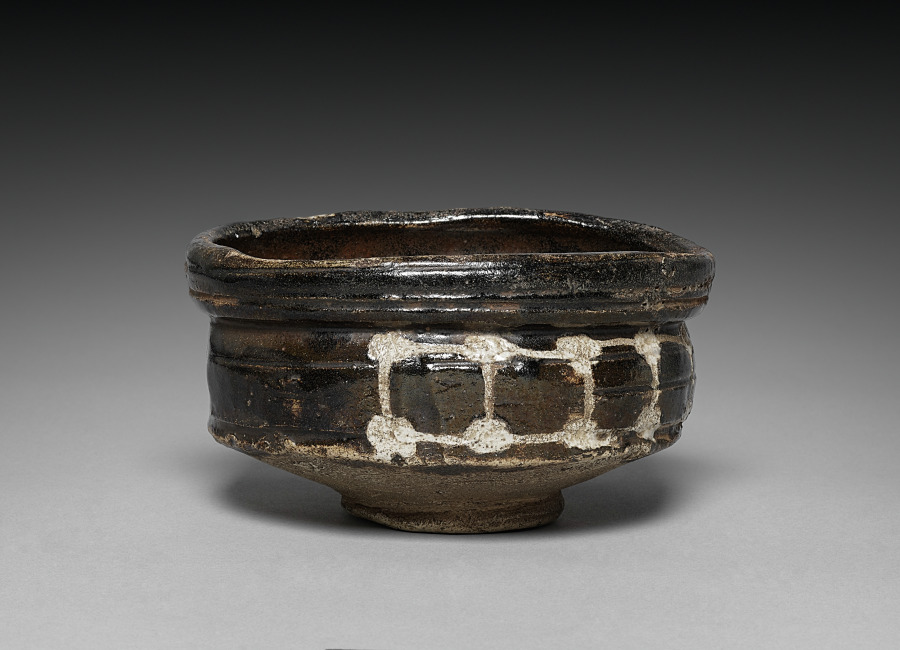
Geometric Integrity of the Clog-Shaped Teabowl
The clog-shaped teabowl presents a radical departure from conventional ceramic archetypes. Its form is not a vessel in the traditional sense but a compressed architectural volume—a truncated cone with a pronounced, asymmetrical heel-like base. This is not a design of utility but of structural poetics. The geometry is defined by a series of deliberate tensions: the vertical thrust of the heel versus the horizontal spread of the bowl’s rim; the smooth, continuous curve of the interior cavity versus the abrupt, planar cut of the exterior base. The silhouette is a study in controlled mass, where the weight of the material is concentrated at the bottom, creating a visual anchor that grounds the entire composition. This is not a floating form; it is a monolithic statement that asserts its presence through sheer volumetric compression. The teabowl’s integrity lies in its refusal to be merely decorative. It is a prototype for the 2026 executive silhouette, where the body is no longer draped but structured, encased, and defined by its own architectural logic. The shoulder line, in this context, becomes the rim of the bowl—a sharp, unyielding edge that frames the torso. The waist is the constriction point, the transition between the bowl’s volume and the heel’s solidity. The hem is the base, a clean, unadorned termination that suggests a foundation of absolute stability.
Structural Poetics: The Language of Compression and Release
The teabowl’s form is a dialogue between compression and release. The interior, a concave void, is a space of potential—a negative volume that invites contemplation. The exterior, a convex mass, is a shield of urban materiality. This duality is the core of its structural poetics. The heel, a seemingly incongruous appendage, is not a flaw but a critical structural element. It introduces a dynamic imbalance, a subtle tilt that prevents the silhouette from becoming static. This is the executive power move—a stance that is both grounded and poised for action. In garment construction, this translates to a jacket with a pronounced, sculpted shoulder that leans forward, creating a sense of forward momentum. The fabric is not soft; it is engineered to hold its shape, like the ceramic body of the bowl. The seams are not hidden; they are exposed as structural lines, tracing the geometry of the form. The neckline becomes the rim—a clean, unbroken arc that frames the face. The sleeve is the heel—a solid, weighty element that anchors the entire composition. The poetics are not in the decoration but in the tension between the contained and the container.
Urban Materiality: Slate as a Conduit for the Internal DNA
Color choice is not arbitrary; it is a material declaration. Slate, in this context, is not a mere pigment but a geological reference. It evokes the compressed sediment of the urban landscape—the grey of concrete, the sheen of wet asphalt, the matte finish of industrial steel. This color is the visual equivalent of the teabowl’s ceramic density. It absorbs light rather than reflecting it, creating a surface that is deep, opaque, and impenetrable. This aligns with the internal DNA of the Bodhisattva and Sample of Fibrolite. The Bodhisattva’s “减” (reduction) is realized in the absence of chromatic distraction. The slate hue is a color of silence, a backdrop against which the structural geometry can speak. The Sample of Fibrolite’s “层叠的透明性” (layered transparency) is translated into the texture of the fabric. A slate-colored wool or a bonded jersey can be engineered with a subtle, micro-ribbed surface that mimics the mineral fiber’s crystalline arrangement. This is not a print; it is a tactile topography that changes with the light, creating a visual vibration without color. The negative space of the Bodhisattva becomes the unlined interior of the garment, a deliberate exposure of the raw material. The fiber structure of the Sample of Fibrolite becomes the weave of the fabric, a structural logic that is both seen and felt.
The 2026 Executive Silhouette: A Manifesto of Restraint
The 2026 executive silhouette, as defined by the clog-shaped teabowl, is a manifesto of architectural restraint. It is not about volume but about mass. It is not about draping but about encasing. The body is not adorned; it is housed within a geometric shell. The key elements are:
- The Shoulder: A sharp, extended line that mirrors the bowl’s rim. It is not padded but structured through cut, a single, unbroken seam that defines the upper torso.
- The Torso: A column of fabric that is fitted but not constricting. It follows the body’s natural line but is reinforced with internal seams that create a sense of rigid containment.
- The Hem: A clean, straight line that terminates at the hip or mid-thigh. It is not flared or curved; it is a hard stop, a declaration of finality.
- The Sleeve: A solid, weighty element that is set in with a pronounced, architectural armhole. It is not a tube but a sculpted form that echoes the teabowl’s heel.
This silhouette is a rejection of the ephemeral. It is a permanent, urban form designed for the executive who commands space through stillness and presence. The color slate reinforces this permanence, grounding the silhouette in the material reality of the city. The structural poetics are not decorative; they are functional expressions of power. The negative space is not empty; it is a reservoir of potential. This is the new luxury: not in the abundance of detail but in the precision of the gesture. The clog-shaped teabowl has provided the blueprint. The 2026 executive silhouette is its habitable translation.