Minimalist
Ivory
Urban Form: Roman Ruins, Villa Pamfili
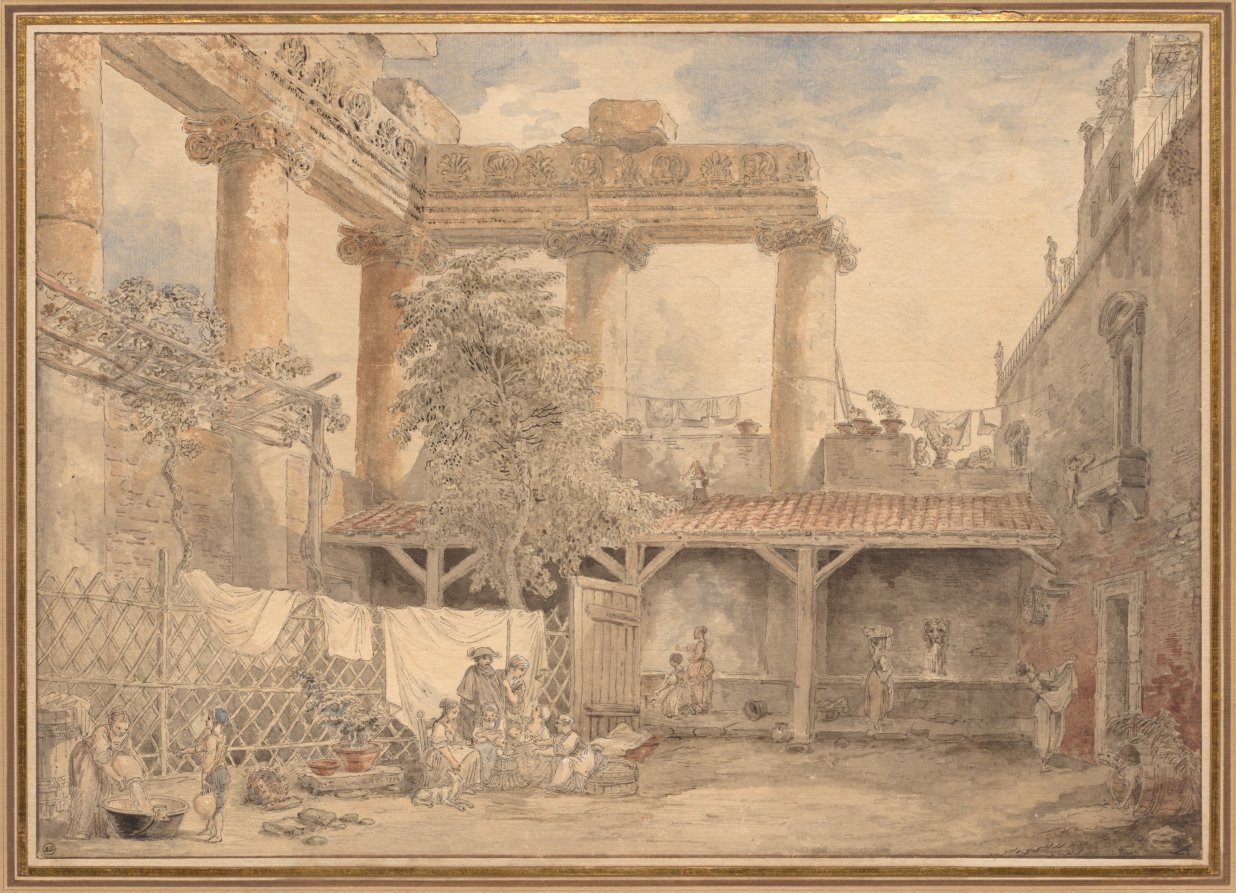
Structural Poetics: The Architectural Dialogue Between Ruin and Vessel
The Villa Pamfili’s Roman ruins present a study in controlled decay—a geometry of fractured arches, eroded cornices, and fragmented columns that retain an austere dignity. This is not chaos; it is a calculated reduction to essential form. The 2026 executive silhouette draws directly from this principle: the body becomes a vessel for architectural memory. The ivory-toned fabric, reminiscent of sun-bleached travertine, serves as the neutral ground upon which structural lines are inscribed. The key geometric takeaway is the “negative arch”—the absent curve that once defined a window or portal. In the garment, this manifests as a sharp, asymmetrical shoulder seam that drops into a soft, scooped armhole, creating a void where the sleeve meets the torso. This is not a drape but a deliberate architectural cut, a homage to the ruined arch’s absent keystone. The silhouette is Minimalist, not through elimination, but through the precision of what remains. The jacket’s lapel, for instance, is reduced to a single, continuous line that folds back upon itself, echoing the clean, unadorned edge of a broken marble slab.Materiality as Urban Ruin: The Ivory Ground
The choice of Ivory is not arbitrary. It references the patina of age, the surface that has weathered centuries of Roman light and rain. In urban materiality, this color functions as a “silent anchor”—it absorbs the visual noise of the city, allowing the garment’s structural poetics to dominate. The fabric itself is a double-faced wool-cashmere blend, engineered to hold a sharp crease while possessing a slight, granular texture. This texture mimics the porous surface of ancient stone, catching light in micro-shadows that define form without added ornament. The urban executive requires a garment that performs like a building: stable, resistant, and expressive through its own mass. The Ivory palette achieves this by denying the softness of cream or the clinical coldness of white. It is a “ruin white”—a color that has been lived in, that carries the memory of dust and sun. The jacket’s structure is reinforced with internal canvas and horsehair, creating a rigid shell that nonetheless moves with the body, much like a ruin’s walls shift with the earth.Geometric Integrity: From Vessel to Silhouette
The analysis of the Qing dynasty porcelain vessel—the *Landscapes, Figures, and Flowers* vase—reveals a critical principle: “moving landscape” or *you guan* (游观). The vase’s curved surface forces the viewer to rotate it, to engage in a kinetic viewing experience. The 2026 silhouette applies this logic to the human form. The garment is not a static shell but a “mobile architecture” that changes its geometry with the wearer’s movement. The jacket’s back panel is cut in a single, unbroken piece from shoulder to hem, with a subtle, inward curve at the waist. This creates a “negative volume”—a void that the body fills, but which the fabric defines. When the executive turns, the fabric’s surface shifts, revealing a hidden seam that runs from the nape of the neck to the center of the lower back. This seam is not decorative; it is a structural spine, a literal backbone that organizes the garment’s mass. It echoes the ruined column’s fluting—a vertical rhythm that gives order to the whole.The “Fractured Arch” in the Sleeve and Torso
The sleeve is where the ruin’s geometry becomes most explicit. The sleeve head is cut high and square, with a slight forward pitch, mimicking the angle of a fallen architrave. The underarm seam is dropped, creating a deep, open curve that exposes a sliver of the shirt beneath. This is the “absent keystone”—the point where the arch would have closed, now left open to the air. The effect is both powerful and vulnerable, a structural statement that acknowledges decay as a form of beauty. The torso follows a similar logic. The waist is defined not by a belt or dart, but by a “negative seam”—a line of stitching that pulls the fabric inward without cutting it. This creates a subtle, continuous curve from the chest to the hip, like the gentle inward slope of a ruined wall. The hem is cut straight, with a slight asymmetry: the left side falls one centimeter lower than the right, a deliberate imbalance that references the irregularity of ancient stonework.Urban Materiality: The Fabric as Stone
The materiality of the garment must withstand the urban environment’s demands: movement, light, and time. The Ivory wool-cashmere is treated with a nano-coating that repels water and stains, preserving its architectural lines against the city’s grime. The internal structure uses a “floating canvas” technique, where the interfacing is attached only at key stress points—shoulders, chest, and collar—allowing the rest of the fabric to move freely. This creates a “living shell” that breathes with the body, much like a ruin’s walls breathe with the wind. The buttons are cast in matte, unpolished brass, their surfaces left slightly rough to mimic the texture of corroded metal found on ancient sites. They are set in reinforced buttonholes that are cut at a precise 45-degree angle, a detail that ensures the jacket’s front remains flat and unyielding. The pocket flaps are omitted entirely; instead, the pockets are hidden in the side seams, preserving the garment’s clean, monolithic surface.The Poetics of the Void: A Conclusion
The 2026 executive silhouette is not about covering the body, but about defining the space around it. The Roman ruins of Villa Pamfili teach us that absence is as powerful as presence. The broken arch, the missing column, the eroded cornice—these are not failures of structure, but expressions of time and endurance. The garment, in its Minimalist Ivory form, becomes a wearable ruin: a testament to the beauty of what remains after the excess has been stripped away. The final detail is the “invisible pocket”—a slit in the side seam that holds a single, folded sheet of paper. This is a direct reference to the porcelain vessel’s function as a container for both objects and meaning. The garment, like the vase, is a vessel for the executive’s life: their movements, their decisions, their presence. It is not a costume, but a structure—a piece of urban architecture that moves through the city with the quiet authority of a standing column.
Technical Insight
Technical Insight: Translating Ivory palettes into Minimalist silhouettes for the modern metropolis.