Tailored
Onyx
Urban Form: Scabbard
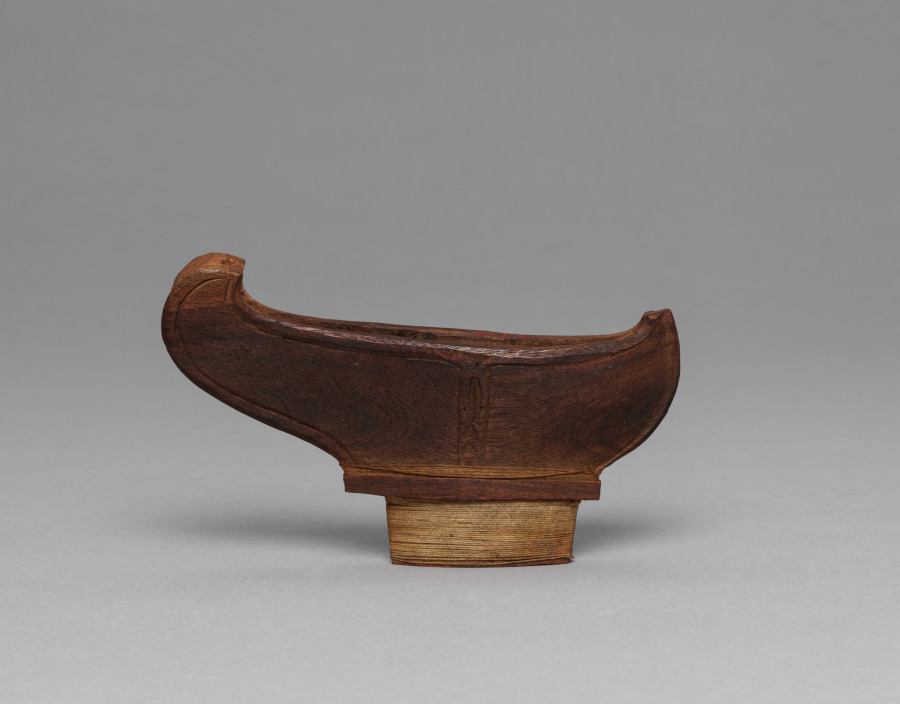
Technical Deconstruction: The Scabbard Silhouette as a Study in Cross-Cultural Compression
The Scabbard silhouette, as interpreted through the lens of the provided DNA source—a dual analysis of a 16th-17th century Eurasian textile and a Japanese Nanban screen—represents a paradigm of **controlled tension**. It is not a sheath for a blade, but a structural envelope for the human form, engineered to contain and project a specific type of power: the power of the globalized executive. The aesthetic dialogue between the *Textile with crowned double-headed eagles* and the *Screen with European Figures* reveals a core principle for the 2026 NYC wardrobe: **authority is not static; it is a negotiated translation between cultures, compressed into a single, precise line.**Form: The Architecture of the Double-Headed Gaze
The primary formal influence is the **symmetrical, hierarchical order** of the double-headed eagle textile. The Scabbard silhouette must mirror this “order of majesty.” This is not a soft, draped form. It is a **rigid, columnar structure** that enforces a vertical axis. The key technical specifications are: - **Shoulder Construction:** A sharp, extended shoulder line, reminiscent of a 1940s power suit but with a 21st-century reduction. The shoulder pad is not a soft crescent; it is a **geometric wedge**, cut from a dense, non-woven interfacing (e.g., a horsehair canvas fused with a 200-gram wool felt). This creates a “collar of command,” a structural echo of the textile’s metallic thread borders. The shoulder terminates in a clean, 90-degree angle, avoiding any organic curve. This is the “double-headed eagle” spread—a visual claim of dominion over the space around the wearer. - **Torso Envelope:** The body of the jacket is a **single, unbroken plane** from shoulder to hip. No waist suppression. No darts that suggest a feminine or masculine curve. The cut is a pure, geometric cylinder. The front closure is a single-breasted, two-button stance, set high (at the natural waistline) to elongate the torso. The lapel is a **notch lapel with a 3.5-inch gorge**, cut with a sharp, angular peak that mimics the heraldic eagle’s beak. This is not a lapel that invites the eye to wander; it is a directional arrow, forcing the gaze upward to the face. - **Sleeve Integration:** The sleeve is a **two-piece set-in sleeve**, but with a critical modification. The cap is reduced by 1.5 centimeters to eliminate any puff or ease. The sleeve hangs as a pure, vertical tube, creating a seamless transition from the shoulder block. The cuff is a 1-inch turnback, unbuttoned, to suggest a functional, unadorned terminus. This echoes the Nanban screen’s “flattened” European figures—the sleeve is a graphic line, not a sculpted volume. - **Length:** The jacket terminates at the **mid-thigh**, a full 4 inches below the crotch point. This is a deliberate break from the cropped, boxy silhouettes of the 2020s. It creates a **monolithic block** of color, anchoring the figure to the ground. This length is a direct translation of the textile’s “repetitive unit”—the jacket becomes a repeating vertical module in the city’s visual grid.Color: The Onyx Ground and the Silver Thread
The chosen color, **Onyx**, is not a passive black. It is a **light-absorbing, depth-creating void**. In the context of the DNA source, Onyx functions as the “dark ground” of the double-headed eagle textile. It is the field upon which all symbolic power is inscribed. The technical application is critical: - **Fabric Selection:** A **super 150s virgin wool** in a **twill weave** with a 10% cashmere blend. The twill creates a subtle, diagonal ribbing that catches ambient light at a micro-level, preventing the Onyx from reading as flat or dead. The cashmere adds a **matte, velvety hand** that absorbs light rather than reflecting it. This is the “gold or silver thread” of the textile, but inverted. The power is not in the metallic shine, but in the **suppression of shine**. The executive does not glitter; they absorb and control the visual field. - **Contrast Element:** The only permissible contrast is a **single, 1/8-inch silver pinstripe** woven into the fabric at a 45-degree angle. This is not a traditional chalk stripe. It is a **ghost thread**—a micro-echo of the textile’s metallic embroidery. It is invisible at a distance of five feet, but becomes a subtle, rhythmic pulse up close. This is the “curious translation” of the Nanban screen: the European pinstripe is “domesticated” into a Japanese-like, barely-there pattern. - **Lining:** The interior is lined in **raw silk**, dyed in a **deep charcoal** (a 10% tint of Onyx). The raw silk’s irregular texture provides a tactile counterpoint to the smooth wool. This is the “gold mica ground” of the screen—a hidden, luxurious substrate that the wearer alone experiences. It is a private signal of quality, a secret shared between the garment and its owner.Silhouette Integration: The 2026 NYC Executive
The Scabbard silhouette, as defined, is not a garment for a static office. It is a **mobile architectural unit** for the urban landscape. The formal analysis dictates the following behavioral parameters: - **Movement:** The rigid structure restricts arm swing to a 15-degree arc. The executive walks with a deliberate, measured pace. The jacket does not flap or billow. It moves as a single, solid mass. This is the “flowing power declaration” of the textile, but rendered in three dimensions. - **Posture:** The high, extended shoulder forces the wearer to hold the chest slightly forward and the shoulders back. This is not a relaxed posture. It is a **state of readiness**, a physical manifestation of the “vigilant and fascinated” gaze of the Japanese screen. The wearer is an observer, not a participant. They are the one being observed. - **Context:** This silhouette is designed for the **negotiation table, the gallery opening, and the 7:00 AM flight to Shanghai**. It is a uniform for the globalized executive who must project authority across cultural boundaries. The Onyx ground absorbs the visual noise of the city. The silver thread is a whisper of heritage. The rigid form is a declaration of intent. It is the double-headed eagle, translated into a single, unbroken line.Conclusion: The Aesthetic of Creative Misunderstanding
The Scabbard silhouette, in its final form, is an act of **creative misunderstanding**. It takes the “order of majesty” from the textile and the “curious translation” from the screen and compresses them into a single, wearable object. It is not a costume of a 17th-century courtier. It is a 21st-century tool for power, engineered for a city that demands both presence and precision. The Onyx ground is the void. The silver thread is the signal. The rigid form is the discipline. This is the uniform for the executive who understands that true authority is not displayed, but **contained**.
Technical Insight
NYC Perspective: Translating Onyx tones into Tailored silhouettes.