Urban Form: Hoyshaleshvara Temple Sculpture, Halebidu (Halebeedu)
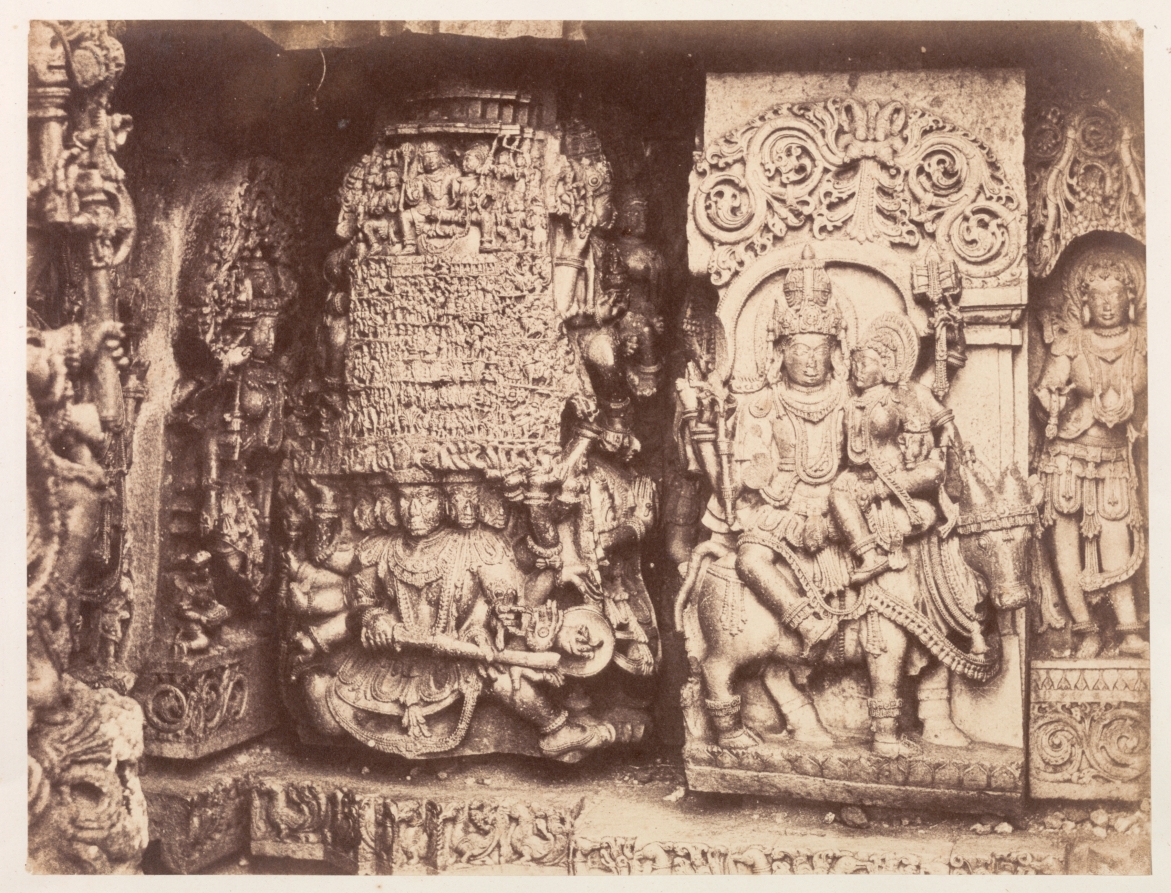
Technical Analysis: Hoyshaleshvara Temple Sculpture as Foundational Geometry for the 2026 Executive Silhouette
The Hoyshaleshvara Temple complex at Halebidu represents not merely a historical artifact, but a profound treatise in structural poetics. Its enduring power lies in a radical synthesis: the containment of immense, chaotic narrative energy within a framework of absolute geometric discipline. For Addison Fashion’s 2026 executive silhouette, this sculpture provides the definitive architectural blueprint. It instructs us to move beyond superficial deconstruction and instead master the art of calculated tension—where the rigid integrity of the form is perpetually animated by an internal, dynamic force. The silhouette that emerges is not a costume of the past, but a hyper-modern exoskeleton for the urban executive: precise, protective, and psychically resonant.
Structural Poetics: The Dialectic of Mass and Line
The primary geometric lesson from Halebidu is the articulation of volume through negative space. The temple’s soapstone surfaces are densely carved, yet the overall form remains legible, a monolithic mass intricately perforated. This translates directly to the 2026 silhouette as the principle of strategic subtraction. We propose garments engineered with intentional voids—deep, geometric armatures, sharply incised seam lines that carve light and shadow into the form, and layered constructions where an inner, close-tailored shell is partially revealed through a sculpted outer layer. The silhouette is defined as much by what is removed as by what remains, creating a sense of weightlessness within a powerful structure.
Furthermore, the sculpture’s treatment of the human form within its decorative schema is critical. Figures are not merely applied to the surface; they emerge from the stone, their anatomy disciplined and elongated to serve the vertical rhythm of the architecture. This informs our approach to the executive form. The 2026 silhouette will enforce a rigorous, elongated verticality through uninterrupted seam lines, high armholes that lift the torso, and trousers or skirts with a fluid yet directed drop. The shoulder, however, becomes the new plinth—broad, sharp, and horizontal, providing a stable foundation for this vertical thrust, much like the temple’s base stabilizes its soaring towers. The result is a silhouette of contained potential energy, a poised and ready stance for the urban arena.
Urban Materiality: From Soapstone to Technical Textile
The material translation of this geometric analysis is where the silhouette achieves its contemporary relevance. The color Slate is non-negotiable. It is the chromatic embodiment of the temple stone—cool, mineral, possessing a latent depth that shifts with light. It speaks of authority without ostentation, of intelligence rather than emotion. This will be applied to fabrics engineered for an urban environment: double-faced wools with a matte, mineral hand; technical gabardines that hold a blade-sharp crease; and innovative, weightless coatings that provide a subtle, stone-like patina without compromising movement.
The internal DNA provided—the juxtaposition of the serene Bodhisattva and the hybrid Amulet—directs our material and construction philosophy. The Bodhisattva represents the external armor: flawless, composed, and publicly legible. This is realized through impeccable tailoring, hidden internal structures (boning, fusing, bias-cut panels) that sculpt the body into an ideal form, and surfaces that are impeccably calm. The Amulet, however, represents the intimate, functional layer—the personal talisman. This translates to the interior of the garment: hidden pockets engineered for specific modern artifacts (a device, a security token), seams finished with a distinctive, tactile signature known only to the wearer, and perhaps a discreet, symbolic motif woven into the lining. The garment thus becomes a complete ecosystem: a public monument and a private shield.
Defining the 2026 Executive Archetype
The resulting 2026 executive silhouette for Addison Fashion is one of monolithic tailoring. It is a uniform for a new class of urban philosopher-executive, for whom the environment is both a cathedral of commerce and a site of constant psychic negotiation. The silhouette provides order—a geometric sanctuary against the chaos of the city. Its sharp lines and mineral color offer a filter through which the wearer engages the world, projecting clarity and control.
Ultimately, the Hoyshaleshvara Temple teaches that true power lies in the mastery of contradiction: solidity versus detail, mass versus line, the public icon versus the private talisman. Our 2026 silhouette is the material resolution of these tensions. It is not clothing as shelter, but clothing as architectural intervention. It does not follow the body; it proposes a new, more decisive one. It is built, not sewn. It stands, as the temple has for centuries, as a testament to the idea that the most sophisticated forms are those that harness immense inner complexity to project a vision of serene, unassailable integrity.