Urban Form: Picturesque Architecture in Paris, Ghent, Antwerp, Rouen
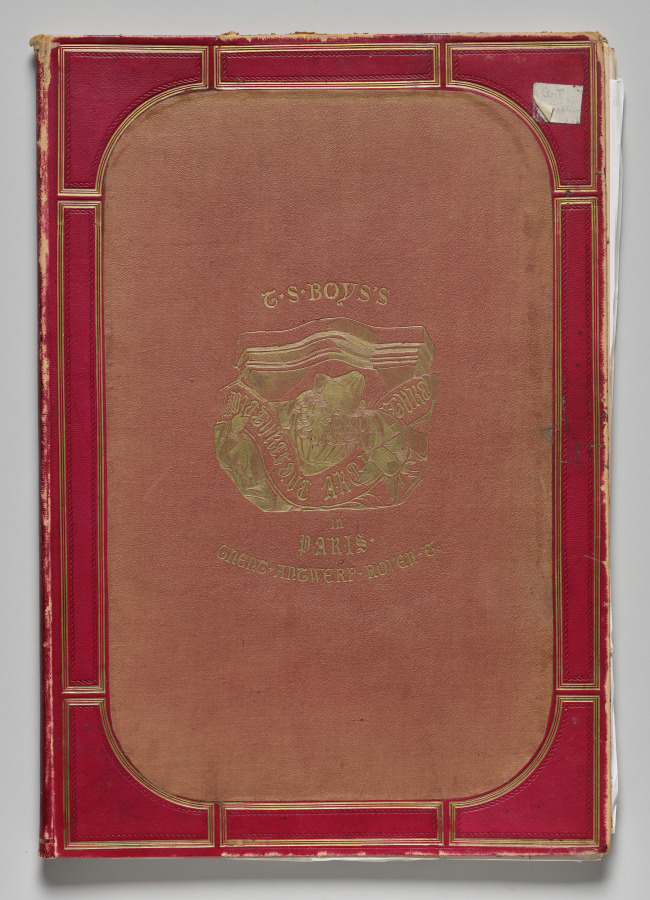
Urban Silhouette Research: Architectural Poetics & The Tailored Frame
This analysis, derived from the architectural vernacular of Northern European urban centers—specifically the stoic, picturesque facades of Paris, Ghent, Antwerp, and Rouen—informs the definitive 2026 executive silhouette for Addison Fashion. The core directive is a synthesis of structural conflict and serene resolution, a concept illuminated by the internal DNA analysis of Hieronymus Bosch’s The Temptation of Saint Anthony and the anonymous Southern Song dynasty’s Loquat Bird Painting. The resulting silhouette is not a mere garment but an architectural proposition for the body: a study in Tailored Rigor defined by geometric integrity, internal tension, and a profound, urban materiality.
Structural Poetics: The Conflict of Line and Void
The picturesque architecture of the referenced cities provides the literal blueprint: the sharp gables of Antwerp, the ribbed vaults implied in Rouen’s stonework, the precise cantilevers of Parisian balconies. These elements translate not as literal mimicry but as principles of construction. The 2026 silhouette is founded on the geometric integrity of the conflict, mirroring the Boschian paradigm. Here, the "dense, grotesque visions" become articulated through severe, intersecting lines. The shoulder line is not merely padded; it is engineered—a sharp, horizontal plane that establishes a foundation of authority, akin to a cornice. The torso is treated as a facade, with darts and seams acting as structural ribs, creating a controlled, inward tension. This is the "aesthetics of conflict" made sartorial: the body’s natural curve is not erased but disciplined, contained within a precise architectural armature that speaks of internal resolve and urban fortitude.
Conversely, the Song dynasty painting introduces the critical counterpoint: the poetics of void and selective density. The "blank space" is not empty but charged. In the silhouette, this translates to severe, deliberate negative space. A sharply cut away neckline, a deep vent rising from the hem, a jawline-exposing collar—these are not absences but calculated apertures. They frame the wearer, creating a visual breath that references the "flow of cosmic energy" within the painting’s composition. The "vitality" of the loquat branch is found in the precise, singular placement of a functional detail—a stark, metallic closure placed off-center, a single seam that curves unexpectedly around the scapula. The structure is dense and conflict-driven in its framework, yet it achieves clarity and sophistication through these moments of severe, intentional release.
Urban Materiality: Slate as Spiritual Canvas
The designated Slate color palette is fundamental to this architectural expression. It is the color of weathered rooftops, of rain-slicked cobblestones at dusk, of poured concrete and shadow. It possesses a mineral coldness that elevates materiality to the forefront. This is not a passive hue but an active element of the design. Fabrics are selected for their tectonic qualities: dense, wool-mohair blends with a subtle, stiffened hand; technical matte jerseys with the drape and weight of liquid metal; double-faced wools that create crisp, unyielding edges. The surface treatment is critical. A Slate wool may be finished with a bone-like chalkiness, absorbing light to emphasize form, while a Slate technical silk may have a faint, mineral sheen, echoing the glint on wet pavement.
This material approach directly engages the internal DNA’s core proposition: "how to reveal infinite spiritual space within limited material form." The Slate ground acts as the "blank background" of the painting or the shadowed plane of the Boschian nightmare. It negates frivolity, forcing focus onto cut, texture, and silhouette. Embellishment is anathema; ornamentation is derived solely from construction—the shadow cast by a raised seam, the stark contrast of a hidden sateen lining in a slightly deeper shade of graphite momentarily revealed in movement. The material becomes the site of the "great effort to endow matter with spirit," cold to the touch yet resonant with intention.
The 2026 Executive Silhouette: A Tailored Dialectic
The resultant silhouette for the Addison executive is a walking dialectic. It embodies the Western "symbolism and deformation" through its assertive, re-shouldered architecture—a "battlefield of the soul" rendered in cloth and line. Simultaneously, it incorporates the Eastern "intuition and latent vitality" through its mastery of emptiness, its respect for the body’s inherent rhythm within the rigid form, and the serene, uncluttered confidence of its presentation.
The single-breasted jacket becomes a study in controlled asymmetry, its fastening creating a dynamic, off-center line. Trousers are cut with a high, precise waist and a leg that falls in a straight, unwavering column to the ankle—a "vertical of tranquility" amidst the upper body’s structured conflict. Dresses are sheaths with architectural seaming that maps the body like a blueprint, introducing subtle, engineered flares only at points of kinetic release. Every element is essential, geometric, and coldly poetic.
This is the new uniform for the urban frontier. It does not seek to blend into the city’s picturesque architecture; it seeks to converse with it as an equal, a parallel construction of human will and aesthetic philosophy. It is the sartorial equivalent of a Mies van der Rohe tower rising beside a medieval guildhall: distinct in epoch and method, yet united in their pursuit of truth through form. For the 2026 Addison executive, the silhouette is both armor and sanctuary—a Tailored realm of Slate where the soul’s struggles are ordered into sublime, geometric calm.