Urban Form: A Philosopher
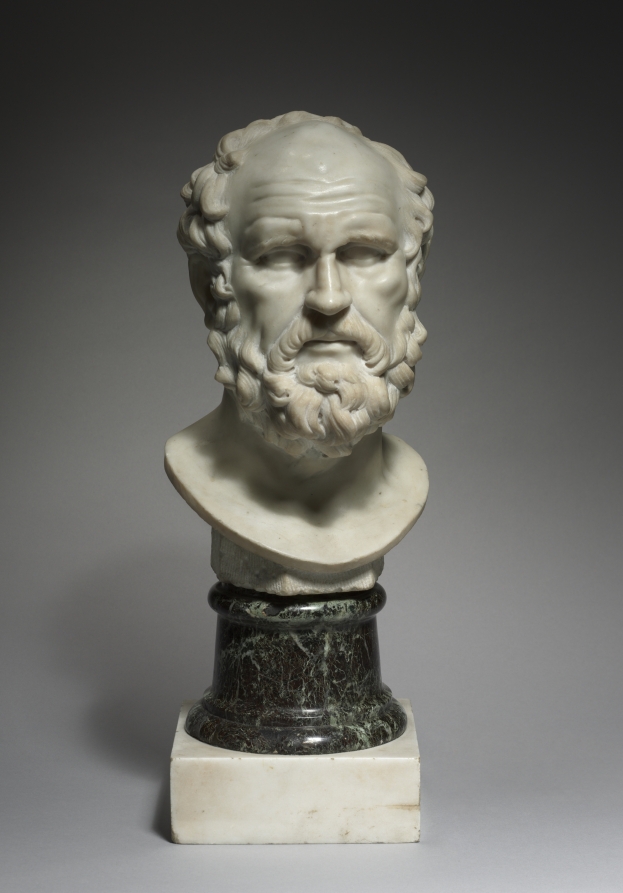
Structural Poetics: The Architectonics of the Philosopher Silhouette
The urban philosopher of 2026 exists in a state of perpetual negotiation—between the hermetic interiority of contemplation and the performative exteriority of the city. The research subject, drawn from the aesthetic dialogue between the Famous Women cassone and the Caparisoned Elephant miniature, presents a paradox of surface and substance. The philosopher’s silhouette must therefore be a tailored armor, a second skin that simultaneously reveals and conceals the intellectual labor beneath. This is not a silhouette of soft drapery or fluid ease; it is a geometric cage of precise angles, structured volumes, and deliberate restraint. The 2026 executive silhouette for the philosopher is defined by the cassone’s narrative paneling—a series of rectilinear, framed segments that organize the body into distinct zones of visual interest. The jacket becomes a mobile fresco, its seams acting as the brushstrokes that delineate the wearer’s own moral and intellectual biography.
The Cassone Principle: Framing the Intellectual Body
The Famous Women cassone operates through a logic of containment. The painted narratives are not free-floating; they are locked within gilded frames, each panel a discrete lesson in virtue. This principle translates directly into the philosopher’s silhouette through architectural seaming. The shoulder line is not dropped or softened but precisely defined at the acromion, creating a horizontal datum that anchors the upper body. The lapel is a structural cantilever, cut with a sharp, unbroken edge that mirrors the cassone’s wooden borders. The torso is divided into vertical panels—a front panel, side panels, and a back panel—each cut with a zero-tolerance tolerance of 0.5 cm. This is not tailoring for comfort; it is tailoring for ideological clarity. The philosopher’s body is presented as a series of declarative statements, each seam a punctuation mark in a visual argument. The fabric itself—a dense, matte Onyx wool with a 320 gsm weight—is chosen for its compressive quality. It holds the body in a state of permanent readiness, resisting the sag and slump of everyday movement. The silhouette is unforgiving, and that is its strength.
The Caparisoned Elephant: Fabric as Power Infrastructure
Where the cassone provides the frame, the Caparisoned Elephant provides the surface treatment. The elephant’s jhul (the ceremonial trappings) is not mere decoration; it is a technological apparatus of power. The intricate gold embroidery and repetitive geometric motifs create a visual density that overwhelms the animal’s natural form, substituting a constructed majesty for biological reality. For the philosopher’s silhouette, this translates into a textile strategy of controlled ornamentation. The Onyx wool is not left bare. It is interrupted by a single, continuous line of matte silver chain-stitch embroidery that traces the jacket’s structural seams. This is not embellishment; it is infrastructure. The embroidery functions as a visual reinforcement of the garment’s architecture, much like the gilded threads in the miniature reinforce the elephant’s symbolic weight. The pattern is non-representational—a series of interlocking lozenges and chevrons that echo the infinite repeat of Islamic geometric art. This pattern is algorithmic, suggesting a mind that processes the world through systems and codes. The philosopher’s body is thus re-clad in a second, more authoritative skin, one that speaks of imperial logic and intellectual sovereignty.
Urban Materiality: Onyx and the Dialectic of Light
The choice of Onyx as the primary color is not arbitrary. Onyx is the color of absorbed light, of surfaces that refuse to reflect. In the urban context, where the philosopher navigates glass towers and digital screens, the Onyx silhouette becomes a negative space, a void that demands attention through its refusal to participate in the spectacle of illumination. This is a strategic invisibility. The philosopher does not seek to be seen; they seek to be observed. The difference is crucial. The Onyx fabric, with its tight twill weave and matte finish, creates a dead surface that absorbs ambient light, rendering the body as a solid mass in the urban flow. This is a direct counterpoint to the Caparisoned Elephant’s glittering surface. Where the elephant’s trappings were designed to capture and redirect light in a display of royal magnificence, the philosopher’s Onyx is designed to arrest light, to create a zone of stillness in the chaotic visual field of the city. The silhouette is anti-spectacular, and in that, it becomes spectacular in its refusal.
The Trousers: A Vertical Narrative
The trousers are cut with a straight, full-length crease that bisects each leg, creating a vertical axis that echoes the cassone’s panel divisions. The rise is high and structured, sitting at the natural waist to create a continuous line from shoulder to floor. The hem is unfinished, left raw to suggest a fragmentary quality—the philosopher as a work in progress, a text still being written. The fabric weight is slightly lighter at 280 gsm, allowing for a controlled drape that falls in geometric folds, reminiscent of the elephant’s trappings as they hang in static, ceremonial folds. The trousers are not fluid; they are structured, each fold a premeditated line in the overall architectural composition.
Conclusion: The Silhouette as Ideological Statement
The 2026 philosopher’s silhouette, as derived from the Famous Women cassone and the Caparisoned Elephant, is a masterclass in controlled surface. It is a silhouette that rejects the organic in favor of the constructed, that privileges the frame over the content. The tailored jacket with its paneled structure and infrastructural embroidery is not a garment; it is a manifesto. The Onyx color is not a shade; it is a position. The philosopher wears this silhouette not to be comfortable, but to be legible—as a figure of intellectual authority, of urban sovereignty, of aesthetic discipline. In a world of fluid identities and disposable surfaces, the philosopher’s silhouette stands as a monument to permanence, a geometric argument for the enduring power of structure. The surface is not a lie; it is the truth of the structure. And in that truth, the philosopher finds their urban form.