Tailored
Slate
Urban Form: The Fall of the Angels
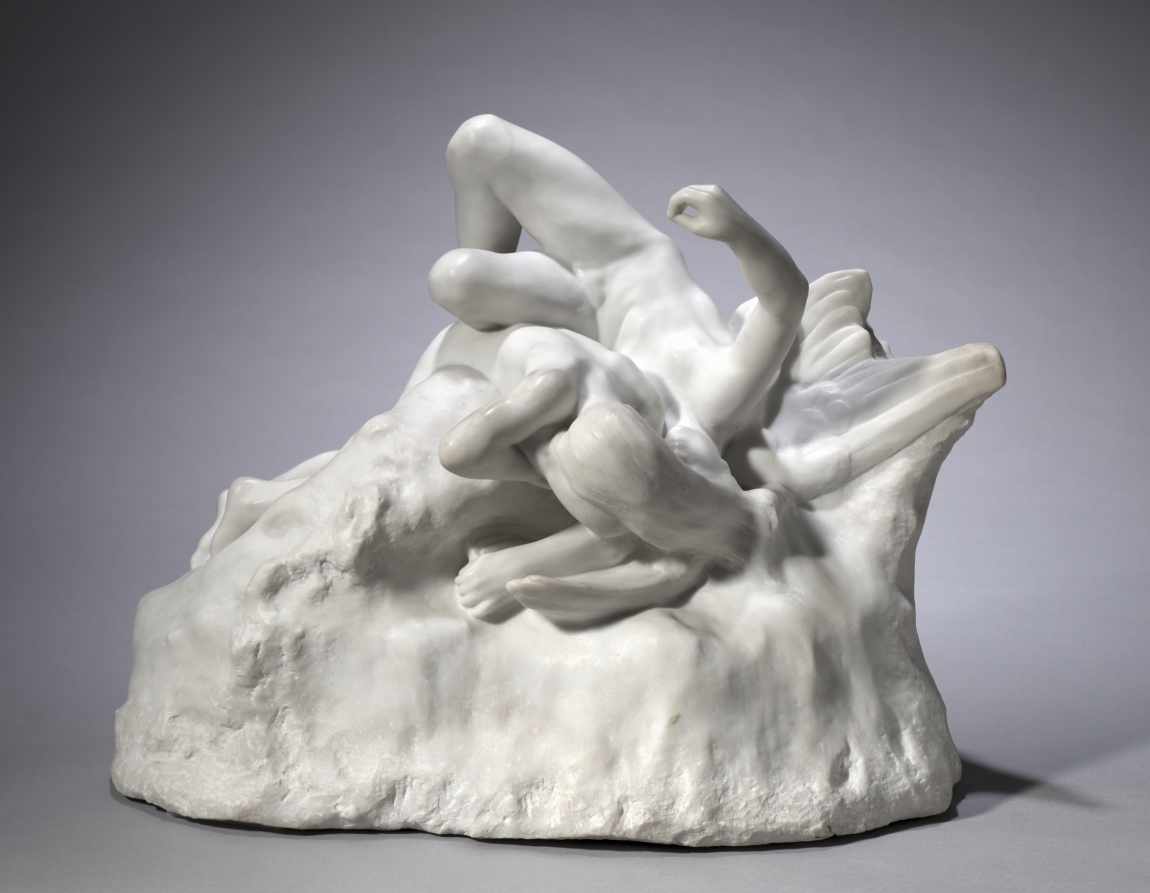
Technical Deconstruction: The Fall of the Angels — Form as Transitional Order
The aesthetic proposition of *The Fall of the Angels* is not one of descent, but of suspension. It is the moment between wakefulness and slumber, between the domestic interior and the frontier expanse. Drawing from Vermeer’s *A Maid Asleep* and Bingham’s *A Vignette of Life on the Frontier*, this collection interrogates how form can capture the “transitional state”—the silent, liminal instant where order meets its own dissolution. For the 2026 NYC executive wardrobe, this translates into a rigorous study of silhouette as a container for both control and latent narrative.I. The Geometry of Stasis: Vermeer’s Interior as Structural Blueprint
Vermeer’s composition is a masterclass in controlled tension. The sleeping maid is not merely a figure of repose; she is a geometric anchor within a grid of verticals (door frame, table edge, painting) and horizontals (tabletop, floor line). Her slumped posture introduces a diagonal—a break in the grid—that registers as a quiet rebellion against domestic order. The spilled wine, the rumpled tablecloth: these are not accidents but deliberate disruptions within a rational framework. Formal Application: The tailored silhouette for this collection must replicate this dialectic. The primary structure is a slate-toned, double-breasted jacket with a defined waist and sharp, architectural shoulders. This is the “grid.” However, the jacket’s hem is cut asymmetrically—a diagonal that mirrors the maid’s reclining form. The lapel is extended and softened, notched with a slight drape, suggesting the “spilled” fabric of the tablecloth. The trousers are high-waisted, straight-legged, and cropped to reveal the ankle, creating a horizontal break that echoes the table’s edge. The fabric is a worsted wool with a matte finish, absorbing light like Vermeer’s shadowed corners, while a subtle herringbone weave introduces a micro-texture of “disorder” within the weave itself. The key is proportional restraint. The jacket’s length is calibrated to end precisely at the hip bone, creating a visual fulcrum. The sleeve is set with a slight forward pitch, mimicking the maid’s inward-turned posture. This is not a garment for action; it is a garment for the moment before action—a pause, a breath, a held thought.II. The Frontier as Collective Form: Bingham’s Horizontal Rhythm
Bingham’s riverfront scene operates on an entirely different scale: the horizontal expanse of the Missouri River, the clustered figures, the interplay of standing and seated bodies. Yet the same principle applies: dynamic equilibrium. Each figure is a distinct vertical element, but their arrangement creates a rhythmic, almost musical progression across the canvas. The frontier is not chaos; it is a nascent social order, a composition in the making. Formal Application: The second silhouette in this collection is a long, single-breasted overcoat in a heavier slate flannel. Its length extends to mid-calf, creating a strong vertical line that anchors the body. The coat’s structure is deliberately minimalist in its surface but complex in its internal engineering. The shoulder is slightly dropped, referencing the relaxed posture of Bingham’s boatmen, but the armhole is cut high and narrow to maintain a clean, unbroken line from shoulder to hem. The collar is a wide, notched shawl that can be worn open or closed, offering a variable silhouette—a nod to the frontier’s “becoming” state. The coat’s interior is lined with a silver-gray silk, visible only when the garment is in motion or unbuttoned. This is the “hidden narrative”—the private space of the executive, the moment of transition between public and private self. The pockets are set at a slight angle, not horizontal, to suggest the diagonal of the riverbank. The closure is a single, matte-black horn button at the sternum, creating a focal point that draws the eye upward, much like Bingham’s central figure who stands slightly apart from the group.III. Color as Temporal Marker: Slate as the Color of Transition
Slate is not a neutral; it is a compound color, a blend of blue-gray and charcoal, with undertones of green and violet. It is the color of a stormy sky before rain, of the river at dusk, of the shadowed interior of a 17th-century Dutch room. In the context of *The Fall of the Angels*, slate represents the temporal edge—the moment when light is neither fully present nor absent. Color Strategy for 2026: The collection uses slate as the foundational hue, but it is deployed in three distinct values: - Deep Slate (near-black): Used for the jacket and trousers, this value absorbs light and creates a sense of mass and gravity. It is the “sleep” of the maid, the stillness of the frontier. - Mid Slate (with blue undertone): Used for the overcoat, this value reflects a cooler, more cerebral quality. It is the “water” of the river, the “air” of the interior. - Light Slate (with silver cast): Used for the lining and a single accent piece—a silk blouse or a scarf—this value introduces a subtle luminosity. It is the “light from the window,” the “gleam on the river.” The palette is deliberately monochromatic, forcing the eye to read form through texture and silhouette rather than color contrast. This aligns with the executive wardrobe’s need for authority and understatement, while the subtle shifts in value create a visual rhythm that rewards close inspection.IV. The Poetics of the Edge: Silhouette as Threshold
Both Vermeer and Bingham locate their subjects at the edge—of sleep, of society, of the frame. The 2026 executive wardrobe must embody this same threshold quality. The garments are not designed for the boardroom or the street alone; they are designed for the transition between—the walk from the subway to the office, the moment before a presentation, the pause in a conversation. The tailored jacket is cut with a slightly extended shoulder, creating a subtle “wing” that extends beyond the natural body line. This is the angel’s fall—the suggestion of a form that is both present and departing. The trousers are cut with a slight taper but not a skinny fit, allowing the fabric to break softly over the shoe, creating a visual “pool” at the ankle—a reference to the spilled wine, the river’s edge. The overcoat is designed with a ventless back, forcing the silhouette to remain clean and uninterrupted. The sleeves are cut with a slight bell shape at the cuff, echoing the maid’s dropped hand and the boatman’s relaxed arm. The hem is weighted with a hidden chain, ensuring the coat falls with a deliberate, almost sculptural gravity.V. Conclusion: The Executive as Silent Observer
*The Fall of the Angels* is not a collection about falling; it is about the state of being between. The 2026 NYC executive is no longer a figure of aggressive ambition or performative success. She is a figure of quiet authority, of observed stillness, of the capacity to hold both order and its disruption within a single silhouette. The slate palette, the tailored geometry, the frontier’s horizontal rhythm—these are not aesthetic choices alone. They are formal responses to a cultural moment that demands depth over spectacle, structure over chaos, and the courage to inhabit the edge. The garment is the frame. The wearer is the painting. And in that silent, transitional space, the angel falls—not into darkness, but into form.
Technical Insight
NYC Perspective: Translating Slate tones into Tailored silhouettes.