Urban Form: Satyress
Structural Poetics: The Satyress as Architectural Vessel
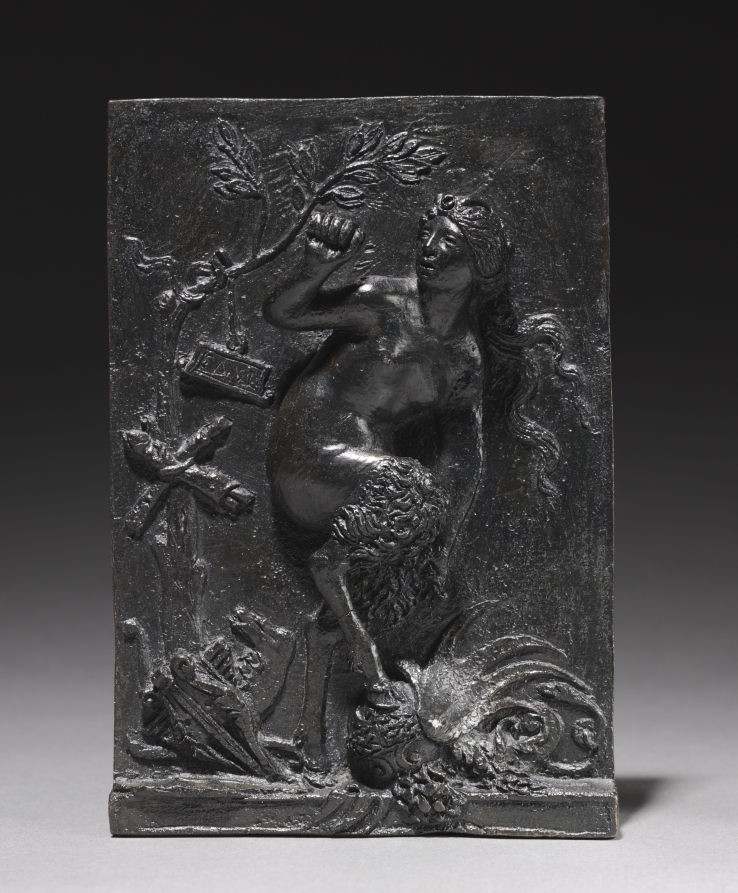
The subject of the Satyress within Addison Fashion’s Urban Silhouette Research for 2026 is not a creature of myth, but a structural archetype derived from the juxtaposition of Jacques-Louis David’s The Death of Socrates and an ancient Greek Jar. This analysis deconstructs the geometric integrity of this artwork—a hybrid of painted narrative and ceramic object—to define a new executive silhouette. The Satyress embodies a minimalist luxury that rejects theatricality in favor of silent, volumetric presence. It is a silhouette of containment, not expression; of urban materiality that speaks through void and line, not ornament.
Geometric Integrity: The Void as Structure
The Jar provides the primary geometric matrix. Its form is a rotational solid—a cylinder with a pronounced shoulder, a narrow neck, and a stable base. This is not a passive shape but an active container. The geometric integrity of the Satyress silhouette is defined by this negative space: the interior volume that holds nothing yet defines everything. In David’s painting, the geometry is triangular and hierarchical—Socrates’s outstretched arm creates a diagonal that leads the eye upward, toward the light. The Satyress rejects this vertical narrative. Instead, it adopts the horizontal stability of the jar’s shoulder and the vertical compression of its neck. The executive silhouette becomes a modular cylinder with a defined waistline that mimics the jar’s contraction. The shoulder line is softly dropped, not padded, to suggest the curve of fired clay. The hem is straight and grounded, like the jar’s foot, creating a visual weight that anchors the wearer in space.
The color Ivory is not arbitrary. It is the color of unglazed terracotta after millennia of burial—a patina of time. It is also the color of David’s marble-like flesh tones, drained of blood. This hue functions as a neutral structural field, allowing the silhouette’s geometry to read as pure form. It is the color of urban dust settling on a vessel, a material memory of the city’s grit.
Urban Materiality: The Poetics of Silence
The Satyress silhouette is constructed from heavy, matte fabrics that mimic the texture of fired clay: double-faced wool, unbleached linen, and sanded cotton sateen. These materials have a dull sheen that absorbs light rather than reflecting it, echoing the matte surface of the ancient jar. The fabric’s weight is critical—it must drape with the gravitational certainty of a ceramic object, not the fluidity of silk. Seams are exposed and raw, like the cracks in a pot, revealing the construction process as a form of honest materiality. Pockets are internal and hidden, preserving the silhouette’s clean exterior. The garment is unlined, allowing the fabric’s reverse side to be visible at the hem and cuffs—a nod to the unfinished interior of a vessel.
This materiality is urban because it references the architectural ruins of the city: the concrete walls, the rusted steel, the weathered stone. The Satyress does not attempt to soften the city; it absorbs its textures. The silhouette is designed for the executive woman who moves through glass towers and subway tunnels, her clothing a portable architecture that holds her presence without announcing it. The silence of the jar is the poetics of this urban materiality—a refusal to narrate, a commitment to being rather than meaning.
The 2026 Executive Silhouette: Contained Authority
The Satyress defines the 2026 executive silhouette as a cylinder of authority. It is not the power suit of the 1980s—broad shoulders, aggressive lapels, a phallic silhouette. Nor is it the fluid, unstructured drape of the 2010s. The Satyress is a minimalist vessel that contains power rather than projecting it. The jacket is cropped to the natural waist, with a straight, boxy cut that does not follow the body’s curves. The trousers are wide-legged and floor-length, creating a continuous vertical line from waist to floor. The overall effect is of a monolithic form—a single, uninterrupted volume that moves as one piece.
Key structural details include:
- Shoulder seam: Set slightly inward, creating a rounded, not angular silhouette.
- Neckline: A high, narrow crew that mimics the jar’s neck, compressing the throat.
- Sleeve: Set-in, straight, and narrow, ending at the wrist bone.
- Hem: Unfinished, raw edge, allowing the fabric to fray slightly over time.
This silhouette rejects the body as spectacle. It does not cinch, flare, or reveal. Instead, it encloses the body in a geometric shell that is both protective and impersonal. The wearer’s authority comes from the void within—the space between fabric and skin that is never visible. This is the executive as vessel: empty, capacious, and enduring.
Conclusion: The Elegance of the Unspoken
The Satyress is a silent monument to the 2026 executive woman. It draws its geometric integrity from the jar’s void and its material poetics from the urban patina of time. It is a silhouette that does not explain itself—it simply holds space. In a world of constant narrative, the Satyress offers the luxury of silence. It is the ultimate minimalist statement: a form so pure that it becomes its own content.