Minimalist
Onyx
Urban Form: Dido
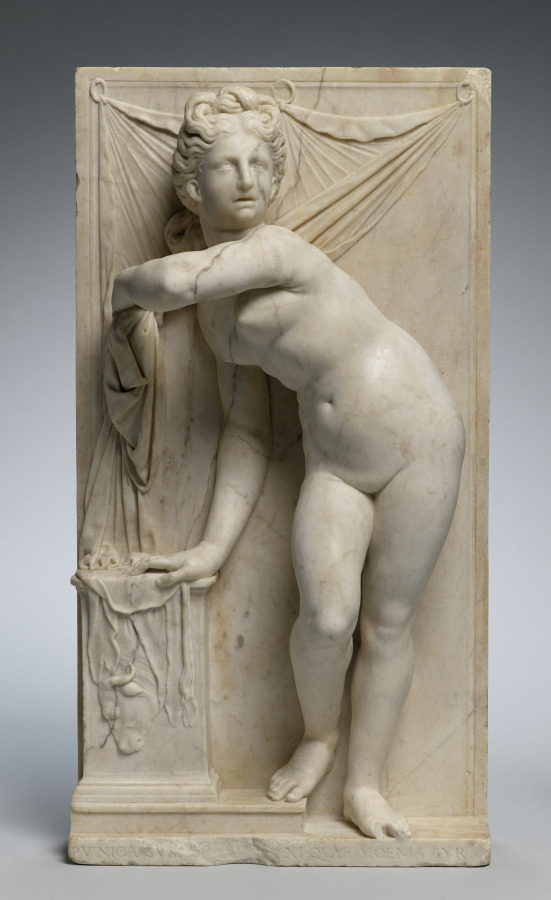
Technical Deconstruction of Form: The Dido Silhouette
The Dido subject, derived from the dialectical tension between the *Bodhisattva* and the *Bovine-Head Amulet*, presents a unique opportunity to codify a silhouette for the 2026 NYC executive. The core architectural problem is reconciling two opposing forces: the *Bodhisattva’s* transcendent, flowing compassion (a vertical, draped, and open form) with the *Amulet’s* grounded, protective, and totemic power (a compact, seated, and closed form). The resulting silhouette is not a compromise but a synthesis—a **Minimalist** structure that is both a vessel for inner stillness and a shield for external authority. We are designing for a woman who must be both approachable and impenetrable.1. The Bodhisattva Influence: Vertical Drape and the “Open Lotus” Line
The *Bodhisattva* statue’s primary formal contribution is the **vertical axis of grace**. The figure’s elongated torso, flowing robes, and downward-gazing posture create a continuous, unbroken line from crown to base. This is not a line of tension but of release—a serene, gravitational fall. For the Dido silhouette, this translates into a **fluid, columnar structure** that prioritizes length over width. - **Shoulder Construction:** We reject the aggressive, padded power shoulder of the 1980s. Instead, we adopt a **dropped, extended shoulder** that mimics the Bodhisattva’s gentle slope from neck to arm. The seam is set 1.5 inches below the natural acromion, creating a soft, crescent-shaped cap that elongates the neck and torso. This is achieved through a **raglan-sleeve hybrid**, cut on the bias from a single piece of fabric, allowing the sleeve to fall without structural interruption. - **The “Open Lotus” Hem:** The Bodhisattva’s robes often flare subtly at the feet, suggesting a lotus pedestal. We translate this into a **slight A-line expansion** beginning at the mid-thigh. The hem is not a sharp cut but a **soft, asymmetrical curve**—longer in the back (floor-grazing) and shorter in the front (ankle-baring). This creates a dynamic, forward-moving silhouette that suggests motion even at rest. - **Color & Materiality:** The Bodhisattva’s use of gold and jade implies a luminous, internal light. For the Dido, we select **Onyx**—a deep, absorptive black that reads as both void and depth. The fabric is a **4-ply silk crepe** with a matte finish. Its weight (280 gsm) provides the necessary drape to maintain the vertical line without clinging. The surface is unadorned, allowing the light to play only on the folds, mimicking the statue’s serene, self-contained luminosity.2. The Amulet Influence: The Seated, Protective Core
The *Bovine-Head Amulet* introduces a counterpoint of **compression and grounding**. Its seated posture, compact form, and bovine head represent a totemic anchor—a point of power and protection. This is the antithesis of the Bodhisattva’s openness. The Dido silhouette must incorporate this **closed, protective core** without disrupting the overall vertical flow. - **The “Seated Power” Waist:** The amulet’s seated figure suggests a strong, horizontal axis at the hip. We implement a **structural waist seam** that is not a cinch but a **rigid, architectural band**. This band, 2 inches wide, is constructed from a **double-faced wool** (Onyx on the outside, a contrasting **Silver** silk lining on the inside). It sits at the natural waist, creating a clear demarcation between the flowing upper torso and the columnar lower body. This band acts as a “seat” of power, a visual and physical anchor. - **The Bovine Head as Collar:** The amulet’s hybrid head inspires a **high, structured collar** that frames the face and neck. This is not a soft turtleneck but a **stand-away mandarin collar**, cut from a **stiffened cotton-silk blend**. It rises 3 inches from the collarbone, creating a protective, almost architectural shell around the throat. The collar’s interior is lined with a **micro-suede** for tactile comfort against the skin, while the exterior remains sharp and unyielding. - **The “Totemic” Closure:** The amulet’s function as a protective charm suggests a hidden, ritualistic closure. The Dido silhouette uses a **concealed, asymmetrical zipper** that runs from the left shoulder to the right hip, mimicking the diagonal line of a seated figure’s arm. This closure is not visible from the front, creating a seamless, monolithic surface. The zipper pull is a **matte black, geometric tab**—a subtle, totemic detail that only the wearer knows is there.3. Synthesis: The Dido Silhouette for 2026
The final Dido silhouette is a **Minimalist, Onyx column** that operates on two simultaneous axes: the vertical (Bodhisattva) and the horizontal (Amulet). The garment is a **long, sleeveless tunic** with a dropped shoulder, a high mandarin collar, and a structural waist band. The hem is asymmetrical, longer in the back. The fabric is a heavy, matte silk crepe. - **Proportion:** The tunic’s length (floor-grazing at back, ankle at front) creates a 1:4 ratio of upper body to lower body, elongating the figure. The structural waist band sits at the natural waist, creating a 1:1 ratio between the torso and the skirt, grounding the vertical line. - **Layering Strategy:** For the executive, this silhouette is worn as a **stand-alone dress** for a board meeting or a **top layer** over a **high-waisted, straight-leg trouser** in the same Onyx crepe. The trouser is cut with a **flat front and no side seams**, creating a second vertical column that echoes the tunic’s line. The total look is a **monolithic, two-piece ensemble** that reads as a single, continuous form. - **Color Psychology:** Onyx is chosen for its **absorptive and authoritative** properties. It is not a passive black but an active void—a color that demands attention by refusing to reflect it. This aligns with the executive’s need to be both present and unreadable. The **Silver** lining of the waist band is a hidden detail, a flash of light only visible when the wearer moves, referencing the Bodhisattva’s internal luminosity.4. The 2026 NYC Executive Wardrobe Application
The Dido silhouette is not a trend piece; it is a **system**. It is designed for the woman who navigates a world of constant negotiation—between power and grace, protection and openness, the sacred and the profane. - **Morning (The Amulet):** For a 7:00 AM investor call, the Dido tunic is worn alone, with the high collar and structural waist creating a fortress-like presence. The concealed zipper is a private ritual of preparation. - **Afternoon (The Bodhisattva):** For a 1:00 PM client lunch, the tunic is layered over the Onyx trousers. The asymmetrical hem and dropped shoulder soften the silhouette, allowing for a more approachable, flowing line. The Silver lining of the waist band catches the light as she gestures. - **Evening (The Synthesis):** For a 9:00 PM gallery opening, the tunic is worn as a dress, with a single, **Onyx-and-Silver chain** draped from the high collar to the waist band. The chain is a modern interpretation of the amulet’s protective function, a totemic accessory that completes the circle. This is the Dido: a silhouette that holds the tension between the transcendent and the totemic. It is a garment for the woman who knows that true power is not in being seen, but in being felt—a quiet, Onyx monument to her own internal authority.
Technical Insight
NYC Perspective: Translating Onyx tones into Minimalist silhouettes.