Urban Form: Portrait of Philip II, King of Spain
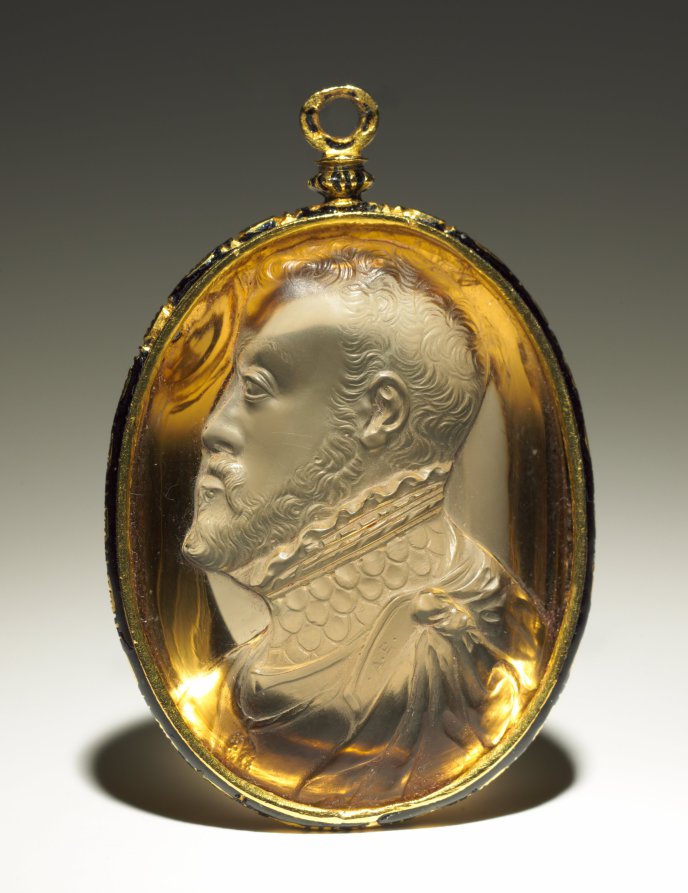
Executive Summary: The Architecture of Negative Space
The Portrait of Philip II, King of Spain—a sovereign whose reign was defined by austere piety, geometric restraint, and the cold precision of imperial administration—serves as an unlikely but potent DNA source for the 2026 NYC executive wardrobe. When cross-referenced with the Zen aesthetic of the Udumbara Flowers wooden plaque and the Cup and Stand porcelain vessel, a singular thesis emerges: power is not expressed through accumulation, but through deliberate subtraction. The king’s rigid collar, the unyielding black doublet, the absence of ornamentation—these are not signs of poverty, but of absolute control. The Addison Fashion Urban Silhouette Research for this season deconstructs this principle into a technical language of form, volume, and color, translating the sacred emptiness of a Kyoto temple into the cold, efficient geometry of the executive suite.
I. Form: The Silhouette of Sovereign Restraint
A. The Shoulder Line: The Architectural Plinth
Philip II’s portrait reveals a shoulder line that is not natural, but constructed. The doublet’s padding creates a horizontal, almost architectural plinth—a foundation that separates the head (the seat of reason and divine right) from the torso (the vessel of mortal action). For the 2026 executive wardrobe, this translates into a structured, minimally padded shoulder that does not exaggerate width, but rather defines a clear, unbroken line. The goal is not to intimidate through bulk, but to command through clarity. The shoulder seam must fall precisely at the acromion, creating a 90-degree angle that mirrors the right angles of a trading floor or a boardroom table. This is the “Udumbara Shoulder”—a form that appears effortless yet is the result of meticulous engineering, much like the carved petals that seem to float on the wooden plaque.
B. The Torso: The Vessel of Capacity
The Cup and Stand’s defining characteristic is its “capacity through emptiness.” The porcelain is thin, the interior vast, the exterior unadorned. Applied to the silhouette, this dictates a torso that is fitted but not constricting—a shell that creates a negative space around the body. The jacket’s waist suppression should be subtle, a gentle inward curve that suggests containment rather than compression. The fabric must drape away from the body, creating a micro-environment of air between the garment and the skin. This is not the aggressive tailoring of the 1980s power suit; it is the “Cup Silhouette”—a form that holds the executive’s presence without squeezing it into submission. The length should fall to the mid-hip, a proportion that echoes the stable base of the porcelain stand, grounding the wearer in a posture of quiet authority.
C. The Sleeve and Armhole: The Geometry of Motion
Philip II’s portrait shows sleeves that are full at the upper arm, tapering to a narrow wrist—a shape that allows for controlled, deliberate movement. The armhole must be high and tight, a technical necessity that prevents the jacket from shifting when the arm reaches for a handshake or a document. The sleeve head should have a slight, almost imperceptible roll, a nod to the “Udumbara petal”—a three-dimensional curve that catches light and shadow. The taper from bicep to cuff must be gradual, creating a continuous line that ends at the wrist bone. This is not a sleeve for gesticulation; it is a sleeve for precision action, where every movement is a statement.
II. Color: The Palette of Sacred Subtraction
A. Ivory: The Color of Unfired Clay
The chosen color, Ivory, is not a white. It is the color of the Cup and Stand’s porcelain before it is glazed—a raw, matte, almost “unfinished” hue that speaks to potential rather than completion. In the context of the 2026 executive wardrobe, Ivory functions as a neutral of negation. It absorbs light rather than reflecting it, creating a surface that is both present and absent. This is the color of the “empty cup”—a visual statement that the wearer is ready to receive information, to listen, to hold space. Unlike stark white, which can appear clinical or aggressive, Ivory carries a warmth that is cold, not hostile—the warmth of a bone, a tooth, a piece of aged parchment. It is the color of a king who does not need to announce his arrival with gold.
B. The Monochromatic Gradient: From Udumbara to Onyx
The research dictates a strict monochromatic layering within the Ivory family. The base layer—a silk or high-twist wool turtleneck—should be a “Wet Ivory,” a shade with a faint, almost imperceptible grey undertone that mimics the patina of the wooden plaque. The outer jacket should be a “Dry Ivory,” a matte, textured wool that catches light like the carved petals of the Udumbara flower. The trousers—a wide, fluid cut that breaks slightly over the shoe—should be a “Bone Ivory,” a shade that is one step closer to the porcelain’s translucency. This gradient creates a visual depth without contrast, a subtle shift in value that the eye registers as movement, not disruption. The only permissible accent is a single, dark element: a Onyx leather belt or a Slate silk pocket square, acting as the “calligraphy stroke” on the blank page of the ensemble.
C. Texture as Color: The Material Language
In the absence of chromatic variation, texture becomes the primary color. The jacket’s fabric must be a double-faced wool with a slight, irregular slub—a nod to the wood grain of the Udumbara plaque. The trousers should be a high-twist tropical wool with a smooth, almost liquid hand, referencing the polished surface of the porcelain. The shirt or turtleneck should be a silk-cashmere blend with a matte, brushed finish, echoing the “unfired” quality of the clay. These three textures—rough, smooth, and brushed—create a tactile hierarchy that guides the eye and the hand. The ensemble reads as a single color, but the body experiences it as a landscape of surfaces, each one a different note in the same key.
III. The Synthesis: The Executive as Sacred Vessel
The 2026 Addison Fashion Urban Silhouette, derived from the Portrait of Philip II and the Kyoto temple artifacts, is not a costume. It is a system of restraint. The form is a cage that liberates, the color is a void that contains. The executive who wears this silhouette does not project power through volume or ornament; they project it through absence. The jacket’s clean lines, the Ivory’s quietude, the fabric’s tactile depth—these elements conspire to make the wearer a “Cup and Stand” for the room: a vessel that holds the attention of others without spilling a drop of their own energy.
The final technical directive is this: every seam must be a prayer, every drape a meditation. The garment must be so perfectly resolved that it disappears, leaving only the person. This is the ultimate luxury—the ability to be seen without being looked at, to command without shouting. The Udumbara flower blooms once in three thousand years. The 2026 executive wardrobe should feel just as rare, just as inevitable, and just as silent.