Urban Form: The Rocky Seashore
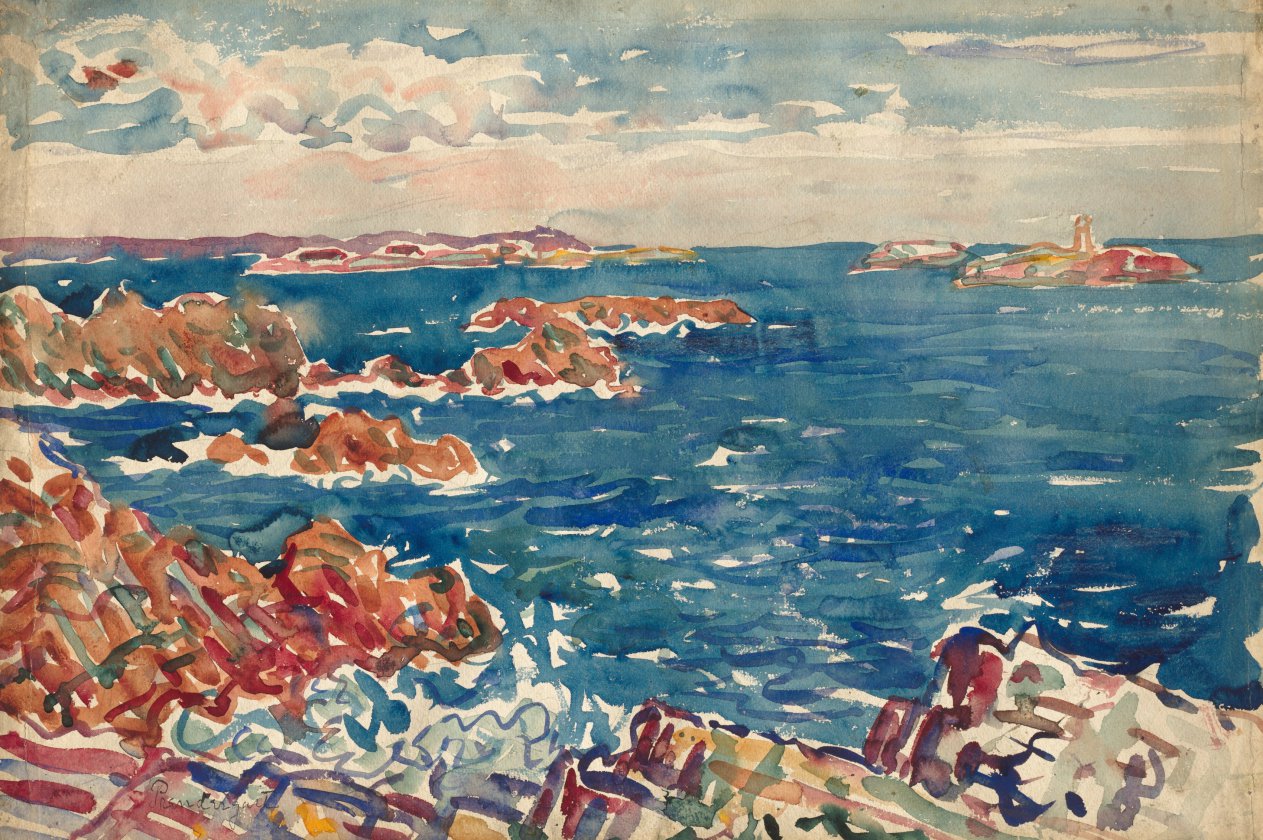
Executive Summary: The Rocky Seashore as a Tectonic Silhouette
The Rocky Seashore is not a landscape; it is a tectonic proposition. For the 2026 NYC executive, the urban environment demands a wardrobe that functions as both armor and aperture—a system of forms that protect without isolating, and reveal without vulnerability. Drawing from the dual DNA sources of the “Udumbara Flowers” Temple Plaque and the Square Wine Container (Fangyou), this research deconstructs the seashore’s geological and philosophical strata into a rigorous, minimalist silhouette. The result is a collection that privileges structural compression over volume, negative space over ornament, and a slate-based chromatic palette that anchors the urbanite in a state of poised, unassailable calm.
Formal Deconstruction: From Bronze Vessel to Bodily Architecture
1. The Square Wine Container (Fangyou) as a Structural Prototype
The Fangyou is not merely a container; it is a geometric manifesto. Its square base, rigid verticality, and symmetrical tapering create a tectonic frame that resists organic drift. For the Rocky Seashore silhouette, this translates into shoulder structures that are squared and unyielding—not padded in the traditional sense, but engineered with internal seams that mimic the bronze vessel’s cast lines. The jacket’s lapel is reduced to a minimal, blade-like notch, echoing the vessel’s sharp rim. The waist is not suppressed but blocked; the garment falls from the shoulder in a straight, columnar line, creating a vertical axis of power that aligns with the executive’s need for unbroken visual authority.
The “heavy and clever” dialectic of the Fangyou is resolved through material weight distribution. A double-faced wool-cashmere blend (600 gsm) provides the gravitas of bronze, while a hidden, laser-cut internal structure—a “ghost frame” of fused interlinings—allows the fabric to hold its shape without visible stiffening. This is the “concealed ingenuity” of the vessel: the garment appears monolithic, yet its construction is a lattice of precision engineering.
2. The Udumbara Flowers Plaque as a Study in Surface and Void
Where the Fangyou dictates form, the Udumbara Flowers plaque dictates surface treatment. Its carved floral motif is not decorative; it is a topographic map of light and shadow. The plaque’s “balance between fine and freehand” is translated into textural modulation on the garment’s surface. We reject printed patterns. Instead, we employ jacquard weaves with a subtle, raised relief—a “tactile calligraphy” that reads as a uniform slate gray from a distance but reveals a micro-geometry of wave-like ridges under direct light. This is the “visible yet intangible” quality of the udumbara flower: the pattern is present, but never declarative.
The plaque’s “void”—the negative space between carved petals—informs the silhouette’s keyhole cutouts and asymmetric closures. A single, sharp slit at the back of a tunic, or a floating panel that separates from the body by 2 cm, creates a breathable interval between fabric and skin. This is not a gesture toward sensuality; it is a structural necessity that introduces air and movement into an otherwise rigid system. The void becomes a functional seam, a pause in the visual rhythm that allows the eye to rest.
Color as Geological Stratigraphy: The Slate Spectrum
1. Chromatic Anchoring: Slate as the New Neutral
The Slate palette is not a single color but a stratified system of grays, from pale ash (#B0B5B9) to deep charcoal (#2F3438). This is the color of wet rock, of the intertidal zone where water meets stone. For the 2026 executive, Slate offers a chromatic neutrality that resists the seasonal whims of fashion. It is the anti-black: black absorbs and flattens; Slate reflects and modulates. It creates depth without drama, authority without aggression.
The palette is deployed in three tonal layers:
- Base Layer (Deep Slate #2F3438): Used for trousers and skirts. This is the foundation, the bedrock. It grounds the silhouette and provides a visual anchor.
- Mid Layer (Medium Slate #5B636A): Used for jackets and vests. This is the tectonic plate, the primary structural element. It mediates between the dark base and the lighter top.
- Accent Layer (Pale Ash #B0B5B9): Used for inner collars, cuffs, and hidden linings. This is the fossil trace, the light that catches the edge of a rock. It appears only in movement, a fleeting revelation that echoes the udumbara flower’s “unattainable” quality.
2. The Optical Effect of Stratification
When these layers are worn together, they create a vertical gradient that mimics the strata of a cliff face. The eye moves from the dark base upward, encountering increasing lightness. This chromatic lift elongates the silhouette, drawing attention to the face and the architectural neckline. The effect is subtle but measurable: the wearer appears taller, more centered, more immutable.
Silhouette Architecture: The 2026 NYC Executive Wardrobe
1. The Tectonic Jacket
Form: A single-breasted, three-button jacket with a straight, dropped shoulder. The hem is cut at the hip, not the waist, to maintain the vertical line. The sleeve head is unpadded but structured with a hidden, curved seam that mimics the Fangyou’s cast edge. The back is cut in one piece, with a single, central vent that opens only 10 cm—a controlled release of movement.
Color: Medium Slate (#5B636A). The fabric is a wool-silk blend with a matte finish, chosen for its ability to hold a crease without reflecting light.
2. The Column Trouser
Form: A high-waisted, straight-leg trouser with no front crease. The waistband is extended and stiffened, creating a corset-like anchor at the midsection. The leg falls in a continuous, unbroken line from hip to hem, with a 2 cm break at the shoe. The pocket is a hidden, vertical welt that does not disrupt the silhouette’s surface.
Color: Deep Slate (#2F3438). The fabric is a wool-cashmere blend with a slight, dry hand that resists static cling.
3. The Void Tunic
Form: A sleeveless, high-neck tunic worn under the jacket. The front is closed and seamless; the back features a single, vertical keyhole that extends from the nape to the mid-back. This is the udumbara void—a cutout that reveals a sliver of skin, but only when the wearer turns. The tunic is cut on the bias to follow the body’s natural curve without clinging.
Color: Pale Ash (#B0B5B9). The fabric is a silk-cotton voile, chosen for its translucency—it appears solid from a distance but becomes semi-transparent under direct light, echoing the plaque’s “visible yet intangible” floral motif.
Conclusion: The Poetics of Compression
The Rocky Seashore silhouette is not a celebration of the organic. It is a compression of the organic into the architectural. The Fangyou’s geometric rigor and the Udumbara plaque’s surface tactility are synthesized into a wardrobe that resists the chaos of the urban landscape. The Slate palette provides a chromatic constant, a visual silence that allows the wearer to be seen without being scrutinized. For the 2026 NYC executive, this is not fashion. It is structural armor—a system of forms that enables presence without performance, authority without ornament. The beauty, as with the udumbara flower, lies in what is withheld.