Minimalist
Onyx
Urban Form: The Cleveland Apollo: Apollo Sauroktonos (Lizard-Slayer) or Apollo the Python-Slayer
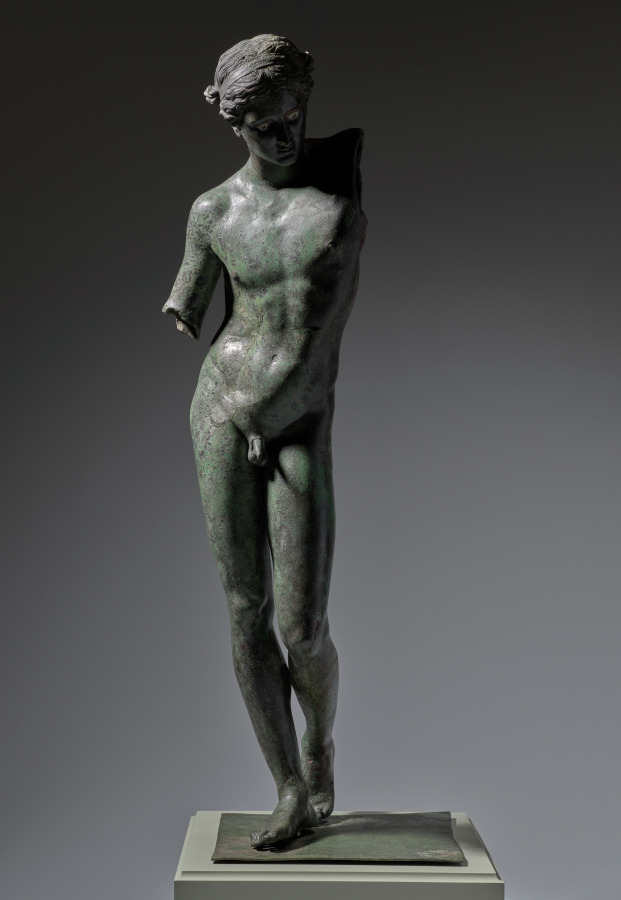
Deconstructing the Cleveland Apollo: A Technical Analysis of Form and Color for the 2026 NYC Executive Silhouette
The Cleveland Apollo—whether the *Sauroktonos* (Lizard-Slayer) or the *Python-Slayer*—is not merely a classical sculpture; it is a masterclass in negative space, tensile strength, and the architecture of restraint. For the 2026 NYC executive wardrobe, this ancient form offers a radical departure from the era of excess. It demands a silhouette that is minimalist in its external presentation yet maximalist in its internal logic of cut, tension, and void. The Apollo’s body is a study in controlled energy: a poised, almost languid stance that belies the coiled potential for action. This is the essence of the modern power suit—not the armor of the boardroom, but the skin of the strategist.Form: The Architecture of Negative Space
The Apollo’s contrapposto is the foundational gesture. The weight is shifted to one leg, creating a diagonal line from the shoulder to the opposite hip. This is not a static pose; it is a dynamic equilibrium. In garment construction, this translates to a single-seam shoulder that drops slightly, mimicking the relaxed deltoid of the figure. The jacket’s lapel should not be a broad, aggressive peak, but a narrow, sharp notch that follows the line of the clavicle, terminating just above the sternum. The fabric must be Onyx—a deep, absorptive black that reads as a void, not a color. This is not the black of mourning; it is the black of infinite depth, a surface that swallows light and refuses reflection. The critical innovation lies in the waist suppression. Traditional tailoring cinches the waist to create an hourglass. The Apollo demands a different approach: a negative ease at the waist that is not a pinch, but a suspension. The fabric should be cut with a slight, almost imperceptible curve that follows the natural ribcage, then releases into a straight, unbroken line to the hem. This creates a “floating” torso—the garment does not cling; it hovers. The effect is one of architectural weightlessness. The jacket’s back panel must be cut with a single, vertical seam that runs from the center of the shoulder blades to the hem, allowing the fabric to fall in a clean, uninterrupted column. No vents. No darts. The back is a monolith. The trousers, or more precisely, the fluid pant, must echo the Apollo’s lower body. The legs are not muscled; they are tapered, almost ethereal. The pant should be cut with a high, flat front—no pleats, no pockets that disrupt the line. The fabric should drape from the hip, not the waist, creating a continuous, unbroken line from the jacket’s hem to the shoe. The hem should break just above the ankle, exposing a sliver of skin or a sheer sock. This is the “lizard-slayer” moment: a hint of vulnerability that underscores the power of the form. The pant’s width should be narrow but not skinny, allowing for movement without sacrificing the verticality of the silhouette.Color: The Onyx Spectrum and the Absence of Light
Color in this analysis is not a choice; it is a structural element. Onyx is the only viable option for the primary garment. It is not a neutral; it is a color of negation. It absorbs all wavelengths, creating a surface that is both present and absent. This is the color of the Apollo’s shadow, the void from which he emerges. The fabric must be a double-faced wool crepe with a matte finish. Any sheen would introduce a reflective quality, breaking the illusion of depth. The Onyx must be absolute. However, the analysis of the “Udumbara Flowers” temple plaque and the garment chest provides the critical counterpoint. The plaque’s patina of time—the subtle gradations of gray, the faint ochre of aged wood, the white of calcified paint—offers a palette of faded luxury. For the 2026 executive, this translates to a single accent: an Ivory or Silver inner lining, visible only at the cuff or the collar when the jacket is unbuttoned. This is not a pop of color; it is a revealed secret. The lining should be a raw silk with an irregular, almost organic weave, mimicking the plaque’s textured surface. It is the “flower that blooms once in three thousand years”—a rare, fleeting glimpse of the interior. The garment chest, with its hidden interior and decorative exterior, reinforces the principle of concealment and revelation. The chest’s surface is ornate, but its function is to contain the unseen. The Apollo’s form is the opposite: the body is the exterior, and the garment is the container. The Onyx suit is the chest; the lining is the stored garment. The executive’s body becomes the active agent that animates the void. The color of the skin—whether pale, olive, or deep brown—becomes the third color in the palette. It is the living pigment that completes the composition.Technical Execution: The 2026 Silhouette
The final silhouette is a trapezoid inverted. The shoulders are slightly extended (0.5 cm beyond the natural shoulder line), the chest is flat and unadorned, the waist is suspended, and the hips are narrow. The overall shape is that of a vertical blade. The jacket length should be hip-skimming, ending at the top of the femur. This is not a cropped jacket; it is a truncated column. The pant is a straight-leg with a slight taper, creating a continuous line from the jacket’s hem to the shoe. The critical detail is the absence of hardware. No buttons, no zippers, no visible stitching. The jacket closes with a single, hidden magnetic clasp at the sternum. The pant uses a concealed side-zip. The garment is a seamless envelope for the body. This is the ultimate expression of the Apollo’s form: a body that is both revealed and concealed, present and absent. The 2026 NYC executive does not wear this suit; they inhabit it. The suit is a second skin of Onyx, a void that defines the body’s presence. It is the urban armor of the minimalist, the silent statement of the strategist. The Cleveland Apollo, stripped of its marble and myth, becomes a blueprint for power through absence. The lizard is slain not by force, but by the stillness of form.
Technical Insight
NYC Perspective: Translating Onyx tones into Minimalist silhouettes.