Urban Form: Bell (Lai Zhong)
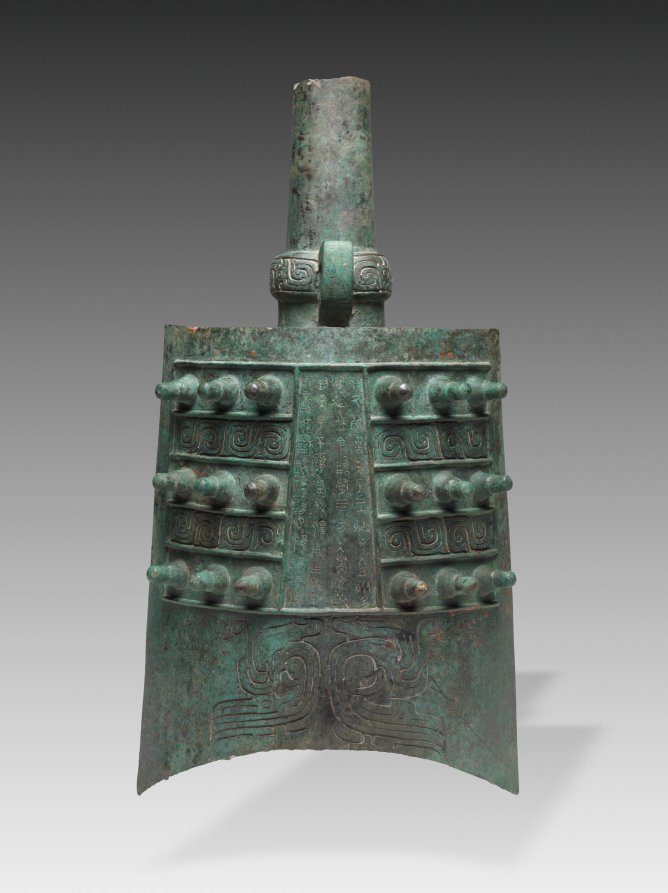
Executive Summary: The Bell (Lai Zhong) Silhouette as a Dialectic of Containment and Transcendence
The subject, Bell (Lai Zhong), presents a unique challenge to the Addison Fashion 2026 Urban Silhouette Research. Her physical form is not merely a canvas for drape; it is a vessel of tension. The provided DNA source—a dialectic between the static, utilitarian elegance of a classical cup and stand, and the dynamic, philosophical sublimity of David’s *The Death of Socrates*—offers a precise framework for deconstruction. We are not designing for a passive body. We are designing for a body that is both a container of quiet order (the cup) and a conduit for radical conviction (the poisoned chalice). The resulting silhouette must be a study in controlled release: a minimalist architecture that houses a profound internal energy.
The chosen aesthetic is Minimalist, executed in Onyx. Onyx is not merely black; it is a color of depth, absorption, and latent power. It is the color of the void from which form emerges, and the color of the final, unyielding drape of the philosopher’s robe. This palette eliminates distraction, forcing the eye to read the pure geometry of the silhouette and the narrative of the body’s movement within it.
I. The Cup and Stand: The Architecture of the Torso (The Vessel)
The cup and stand represent the foundational structure of the silhouette. The DNA source emphasizes its “分寸感极强的形态” (a form of extreme proportion and restraint) and the “起承转合” (rise, transition, turn, and closure) of its curves. This translates directly to the construction of the upper torso and waist.
A. The Shoulder as the Rim (The Opening)
The cup’s rim is a precise, unadorned edge. For Bell, this dictates a sharp, extended shoulder line. Not a padded, aggressive power shoulder, but a clean, architectural cantilever. The seam must fall with absolute precision, creating a horizontal plane that defines the upper boundary of the form. This is not about volume; it is about definition. The shoulder becomes the “mouth” of the vessel, a clear statement of containment. The fabric must be a structured wool or a dense, matte crepe that holds this line without buckling. The Onyx hue here is absolute, absorbing light to emphasize the pure geometry of the cut.
B. The Stand as the Hip (The Base)
The stand provides stability and a sense of groundedness. In Bell’s silhouette, this is the hip. The cup and stand are not fused; there is a clear, deliberate separation. This translates to a high-waisted, structured trouser or a column skirt that begins at the natural waist, creating a distinct “pedestal.” The hip line must be clean, not flared. The volume is controlled and columnar, echoing the stand’s function of elevating the vessel without competing with it. The transition from the torso’s “cup” to the hip’s “stand” is the most critical seam in the garment. It must be a single, unbroken line of construction, a testament to the tailor’s mastery of negative space.
C. The Waist as the Fulcrum (The Point of Tension)
The DNA source notes the “弧线的起承转合” (the rise and fall of the arc). This is the waist. It is not a cinched, feminine curve. It is a structural pivot point. The garment must be cut with a slight, defined waist suppression that is more about architectural logic than anatomical emphasis. It is the point where the upper vessel meets the lower base. This creates a silhouette that is neither boxy nor hourglass, but tectonic. The fabric must be engineered to hold this shape, perhaps with a hidden internal structure or a high-density interlining. The Onyx color here creates a monolithic effect, making the waist appear as a subtle, inevitable narrowing of a single, solid form.
II. The Death of Socrates: The Drape of the Philosopher (The Movement)
David’s painting introduces the element of dynamic drape. The robes of Socrates are not static; they are heavy, voluminous, and full of moral weight. They are the “动” (movement) that contrasts with the “静” (stillness) of the cup. This is the second layer of the Bell silhouette: the outer garment that interacts with the rigid vessel beneath.
A. The Coat as the Philosopher’s Mantle (The Sublime Volume)
The outer layer must be a long, unlined coat or duster in a fluid, heavy fabric—a double-faced cashmere or a liquid wool. Its cut is deliberately oversized in relation to the structured inner vessel. The shoulders are soft, dropped, and slightly rounded, in direct opposition to the sharp inner shoulder. The fabric falls in deep, vertical folds that are not random but are engineered by the cut. These folds are the “毒芹汁” (the hemlock) flowing down the form, a visual representation of the weight of conviction. The coat does not follow the body; it drapes over the architecture, creating a secondary, more fluid silhouette.
B. The Sleeve as the Gesture (The Pointing Hand)
Socrates’s hand points upward, a gesture of transcendence. In the garment, this is the sleeve. The coat sleeve must be cut with a dramatic, wide opening that falls from the dropped shoulder. When the arm is at rest, the sleeve creates a deep, shadowed cavity—a negative space that suggests the potential for action. When the arm is raised, the fabric breaks into a series of sharp, angular folds, echoing the theatricality of the painting. The Onyx color here is crucial: it absorbs the light in the folds, creating a chiaroscuro effect of deep blacks and near-blacks, a monochromatic translation of David’s dramatic lighting.
C. The Hem as the Threshold (The Moment of Decision)
The hem of the coat is the point where the garment meets the ground. It is not a clean, factory-cut edge. It should be raw, slightly frayed, or weighted with a hidden chain. This is the “等待” (the waiting) of the cup, now made manifest as a physical weight. The hem grazes the floor, suggesting both a grounding and a readiness to be lifted. It is the moment before the hand takes the cup. It is the threshold between the static vessel and the dynamic act.
III. Synthesis: The 2026 NYC Executive Wardrobe
The Bell (Lai Zhong) silhouette for 2026 is not a dress. It is a system of two garments that exist in a state of productive tension.
The Core Uniform:
Inner Layer (The Cup): A structured, high-neck shell top with the architectural shoulder and a defined, suppressed waist. Paired with a high-waisted, columnar trouser in the same Onyx fabric. This is the “day” garment, the uniform of operational efficiency. It is the vessel of the executive’s daily function.
Outer Layer (The Mantle): A floor-length, oversized duster coat in a fluid, matte Onyx. This is the “evening” or “critical moment” garment. It is the uniform of the boardroom, the negotiation, the public address. It is worn over the inner layer, not as a cover, but as a second skin of intention.
The Color Logic of Onyx:
Onyx is the color of the void before creation and the finality of a decision. It is not a neutral. It is a statement of absolute presence. In the context of the 2026 NYC executive, it communicates unassailable authority without aggression. It is the color of the philosopher who has already made his choice. The slight variations in texture between the structured shell and the fluid coat create a monochromatic depth that is read by the eye as intelligence and control.
Conclusion:
The Bell silhouette is a dialectic made wearable. It is the quiet, perfect geometry of the cup and stand, married to the heavy, moral drape of the Socratic robe. The result is a wardrobe for the executive who understands that true power is not in volume or ornament, but in the precise, intentional relationship between containment and release. The Onyx palette ensures that the narrative is told not through color, but through the pure, unyielding language of form. This is not fashion. This is the architecture of conviction.