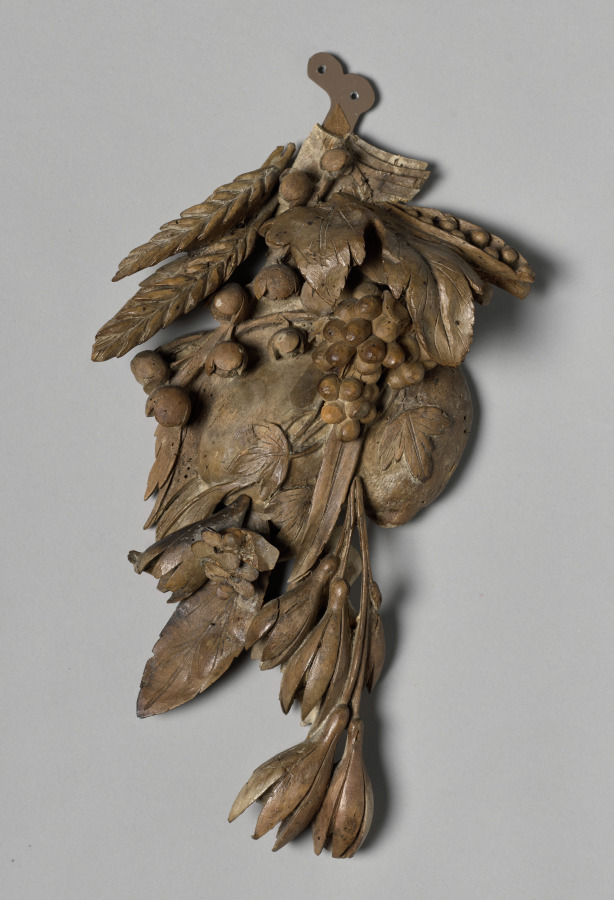
Urban Form: Carving from an Overmantel
Executive Summary: The Architecture of Absence
The subject, “Carving from an Overmantel,” derived from the dual DNA sources of a Zen Buddhist “Udonge” plaque and a Joseon Dynasty clothing chest, presents a radical departure from conventional fashion research. These objects do not propose new silhouettes; they propose a new ontological framework for form. The plaque, with its stark, unadorned calligraphy on raw wood, embodies a philosophy of negative space—form as a trace of absence. The chest, conversely, represents contained volume—form as a vessel for the unseen, the intimate, the temporal. For the 2026 NYC executive wardrobe, this synthesis demands a move away from expressive, narrative-driven design toward a minimalist architecture of the body, where the garment’s primary function is to frame the wearer’s presence through disciplined restraint and material honesty. The chosen palette is Slate: a color of urban twilight, of stone and shadow, that absorbs light rather than reflecting it, echoing the plaque’s “ink-settled” depth and the chest’s aged lacquer.
I. Formal Deconstruction: From Plaque to Panel, From Chest to Carapace
A. The Plaque Principle: Negative Silhouette and the “Empty Valley”
The “Udonge” plaque operates on a principle of radical subtraction. Its aesthetic power lies not in the carved characters but in the vast, unmarked wood grain surrounding them. This is not a silhouette of addition but of excavation. For the executive wardrobe, this translates into garments that are defined by what they are not. The primary silhouette is a structured, shoulder-anchored panel—a sculpted jacket or overcoat with a clean, uninterrupted back. The “carving” is achieved through strategic, minimal cutouts or seam lines that trace the body’s architecture without clinging. Think of a slate wool double-breasted coat where the lapel is a single, sharp, unbroken line from collar to hem, the only “decoration” being the negative space between the body and the fabric. The form is a frame for the wearer’s movement, much like the plaque frames the void. The shoulder line is precise, slightly extended but not padded, creating a geometric, almost architectural presence—a “silhouette of waiting,” as the plaque is a “visual empty valley.”
B. The Chest Principle: Volume as Containment and the “Unfinished Poem”
The clothing chest inverts the plaque’s logic. Its form is about enclosure, depth, and the promise of revelation. The silhouette is not a flat plane but a three-dimensional volume—a box, a carapace, a vessel. This translates into structured, architectural trousers and skirts that create a defined, almost cubic volume around the lower body. The key garment is a high-waisted, wide-leg trouser cut from a dense, matte slate wool. The waistband is a rigid, architectural band, like the iron fittings on the chest. The leg falls in a straight, unbroken column, creating a negative space between the fabric and the leg—a contained volume of air. The closure system is critical: hidden buttons, invisible zippers, or a single, oversized, polished metal clasp that acts as the chest’s “lock.” This is not a garment that reveals the body; it contains it, offering a sense of protected interiority. The “unfinished poem” is the subtle, internal structure—a hidden pocket, a silk lining in a darker slate, a single, precise dart that suggests the body’s form without delineating it.
II. Material and Color: The Honesty of Slate and the Patina of Time
A. Slate as a Chromatic Strategy
The selection of Slate is not arbitrary. It is the color of the plaque’s aged wood after centuries of incense smoke, the color of the chest’s oxidized iron hardware, the color of a rain-soaked Manhattan street at dusk. It is a non-color that absorbs all others, creating a field of neutrality that allows form to dominate. In the 2026 executive wardrobe, Slate functions as a chromatic anchor. It is used in three tonalities: a light, dusty slate for the interior linings and the “carved” cutout areas (echoing the plaque’s raw wood), a mid-tone, matte slate for the primary volumes (the coat, the trousers), and a deep, almost black slate for the structural elements (seams, closures, and the interior of the “chest” volume). This monochromatic gradient creates depth without pattern, a visual echo of the “time’s wrinkles” in the wood grain.
B. Material as Memory: Wool, Silk, and Oxidized Metal
The material palette is equally disciplined. The primary fabric is a heavy, felted wool—dense, silent, and with a slight, irregular surface that catches light like the plaque’s carved wood. This is the material of the “overmantel”—a garment that sits on the body like a piece of furniture. For the “chest” volume (the trousers, the structured skirt), a double-faced wool is used, with a smooth, almost lacquered exterior and a raw, brushed interior. The linings are a liquid silk in the light slate, a secret luxury that the wearer feels but the observer does not see—the “silk sleeping like a dream” inside the chest. Hardware is oxidized, matte silver—not polished, but with a patina that suggests age and use, like the chest’s iron fittings. Buttons are horn or polished slate, not plastic. The finish is everything: raw, hand-finished edges on the interior seams, a single, visible stitch line on the coat’s back that mimics the plaque’s carved stroke.
III. The 2026 Executive Silhouette: A Technical Blueprint
A. The “Plaque” Coat: Structure and Negative Space
Silhouette: A long, single-breasted overcoat (mid-calf) with a straight, boxy cut. The shoulder is slightly extended, creating a strong, horizontal line. The key detail is a single, vertical cutout on the back, from the shoulder blade to the hem, revealing a panel of the light slate silk. This is the “carving.” The sleeve is set in a deep, clean armhole, creating a negative space between the arm and the body. The collar is a simple, standing band—a “frame” for the neck. Construction: Fully canvassed, with a horsehair chest piece to maintain the rigid front. The seams are felled and visible on the interior, a deliberate display of craft.
B. The “Chest” Trouser: Volume and Containment
Silhouette: A high-waisted, wide-leg trouser with a straight, columnar fall. The waistband is a rigid, 3-inch band with a single, oversized, oxidized silver clasp at the center front. The volume is created by a single, deep pleat at the front, which releases into the wide leg. The back is flat and clean, with no pockets. The hem is raw, unhemmed, and falls just above the floor. Construction: The waistband is interfaced with a stiff, non-woven canvas. The interior is lined in the light slate silk, with a single, hidden, zippered pocket—the “secret compartment.” The crotch point is dropped slightly to allow for the volume without bunching.
C. The “Udonge” Top: The Trace of the Body
Silhouette: A sleeveless, high-neck shell in the deep slate wool. The form is defined by a single, asymmetric seam that runs from the left shoulder to the right hip, creating a subtle, sculptural twist. The neckline is a high, standing mandarin collar. The armholes are cut deep and clean, revealing the body’s architecture. Construction: Cut on the bias to allow for a slight, organic drape. The seam is topstitched in a contrasting, slightly lighter slate thread—the “calligraphic stroke.” This is the garment that most directly references the plaque’s “ink-settled” character.
IV. Conclusion: The Wardrobe as a Still Life
The 2026 Addison Fashion executive wardrobe, derived from “Carving from an Overmantel,” is not a collection of clothes but a system of forms. It is a minimalist architecture that prioritizes volume, negative space, and material honesty over decoration or expression. The wearer is not adorned; they are framed by the garment, their presence defined by the silence between the fabric and the body. The Slate palette ensures that the eye is drawn to the pure geometry of the silhouette—the sharp line of the coat, the contained volume of the trouser, the calligraphic seam of the top. This is a wardrobe for the executive who understands that true power lies not in visibility but in presence, not in statement but in stillness. It is, like the “Udonge” flower, a form that