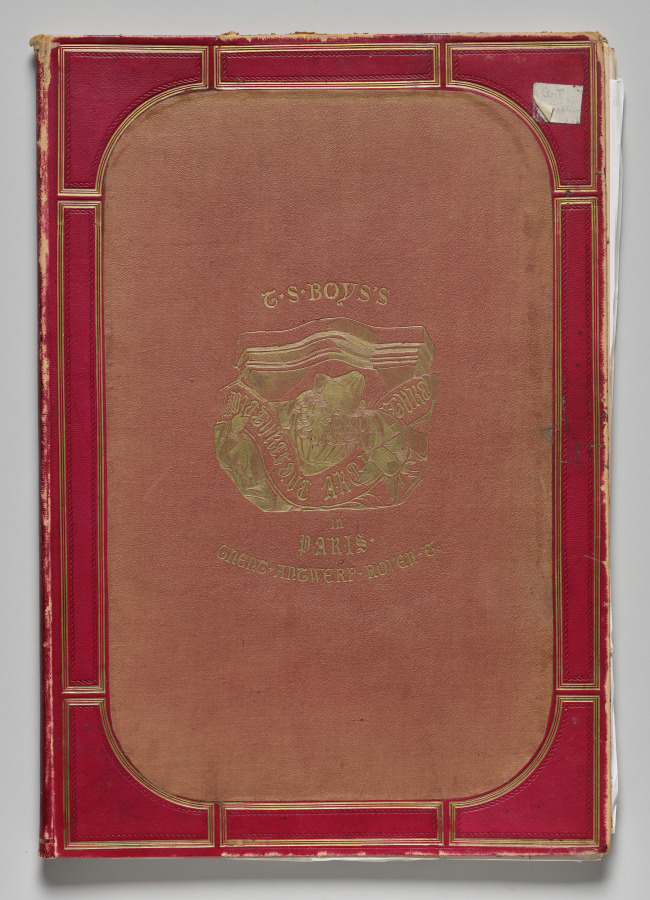
Urban Form: Picturesque Architecture in Paris, Ghent, Antwerp, Rouen
Structural Poetics: The Architectural Silhouette as Urban Cartography
The urban silhouette for Addison Fashion’s 2026 executive collection is not derived from the ephemeral rhythms of street style, but from the immutable geometries of Northern European architecture. The research subject—the picturesque urban cores of Paris, Ghent, Antwerp, and Rouen—yields a definitive thesis: the executive silhouette must embody the tension between vertical aspiration and horizontal containment. This is not a nostalgic revival; it is a cold, analytical extraction of structural poetics from the built environment.
The analysis begins with the Gothic spires of Rouen Cathedral and the stepped gables of Antwerp’s guildhalls. These forms are not merely decorative; they are load-bearing expressions of material truth. The 2026 silhouette translates this into a sharp, elongated shoulder line that tapers to a narrow waist, then releases into a controlled A-line or a precise, columnar skirt. The shoulder is not padded in the traditional sense; it is constructed with internal architectural boning—a structural corsetry that mimics the flying buttress. The result is a silhouette that stands independent of the body, a wearable edifice.
The urban materiality is defined by the palette of Onyx: the deep, carbon-black of wet cobblestones in Ghent, the shadowed recesses of Parisian arcades, the patinated bronze of Antwerp’s cathedral doors. This is not a soft black. It is a mineral black, absorbing light to create depth, not void. The fabric weight must be substantial: double-faced wool, bonded jersey, or technical silk gazar. These materials hold the architectural line without collapsing into the body’s organic curves. The silhouette is a negative space carved from the urban fabric.
Geometric Integrity: The Dialectic of Circle and Line
The internal DNA of this collection is rooted in the dialectic between the circular mandala and the linear grid. The research draws a parallel between the “Udumbara Flowers” temple plaque and the Han dynasty bronze mirror. Both artifacts, though separated by millennia and material, share a geometric language of concentric containment. The plaque’s floral motif is not organic; it is a radial symmetry that spirals inward, suggesting a void at its center. The mirror’s chariot and deities are arranged in a circular frieze, a cosmic map that orders chaos.
For the 2026 executive silhouette, this translates into circular cutouts and elliptical seams that interrupt the vertical line. A jacket may feature a circular keyhole at the nape, revealing a sliver of skin—a moment of vulnerability within the armored structure. A skirt may have a curved hemline that rises at the front and falls at the back, echoing the mirror’s rim. These are not decorative flourishes; they are structural releases that allow the garment to breathe. The circle, in this context, is the void that defines the form.
The linear grid is equally critical. The facades of Parisian Haussmann buildings—with their repetitive windows, wrought-iron balconies, and stone stringcourses—provide a modular system for garment construction. The 2026 silhouette employs horizontal seam lines at the hip and bust, creating a visual rhythm that breaks the verticality. This is not a simple shift dress; it is a layered composition of panels, each with its own geometric logic. The grid is visible in the topstitching, the welt pockets, and the precise pleating. It is the urban grid mapped onto the body.
Color and Materiality: The Onyx Spectrum
The color Onyx is not a single shade. It is a spectrum of blacks that shift with light and texture. The research identifies three key variations:
1. Matte Onyx: Derived from the rough-hewn stone of Antwerp’s medieval walls. This is a dry, absorbent black used for outerwear and structured jackets. The fabric is a wool-cashmere blend with a brushed surface, creating a soft, non-reflective finish. It is the urban camouflage of the executive.
2. Gloss Onyx: Inspired by the wet reflection of Parisian streets after rain. This is a lacquered black used for evening pieces and accent panels. The fabric is a silk gazar or patent leather, holding a sharp crease and reflecting light in a controlled, linear manner. It is the mirror surface of the Han dynasty bronze.
3. Textured Onyx: Borrowed from the intricate ironwork of Ghent’s bridges and Rouen’s cathedral grilles. This is a black with depth, achieved through jacquard weaves, embossed leather, or laser-cut perforations. The texture is not random; it follows the geometric grid of the urban facade. It is the tactile memory of the city.
The materiality is further defined by weight and drape. The 2026 executive silhouette rejects flimsy fabrics. Every piece must have a minimum weight of 300 grams per square meter. The fabric must stand away from the body at the shoulder, then fall in a controlled cascade at the hem. This is achieved through bonded constructions and internal canvas structures. The garment is a self-supporting architecture.
The 2026 Executive Silhouette: A Definitive Typology
The final silhouette is defined by three key archetypes:
1. The Spire Jacket: A single-breasted, elongated jacket with a sharp, notched lapel that extends to the waist. The shoulder is extended by 2 cm beyond the natural shoulder point, creating a Gothic arch. The waist is cinched with a self-belt, and the hem falls to the mid-thigh. The back features a circular cutout at the center, echoing the temple plaque’s void. This is the power piece of the collection.
2. The Arcade Pant: A high-waisted, wide-leg trouser with a pleated front that creates a columnar volume. The pleats are pressed to a knife-edge, and the fabric is a double-faced wool that holds the crease. The hem is cropped to the ankle, revealing a sliver of skin or a metallic shoe. This is the urban infrastructure of the silhouette.
3. The Portal Dress: A sleeveless, columnar dress with a high neckline and a circular cutout at the sternum. The dress is fully lined and constructed from a bonded silk gazar. The hem is asymmetrical, rising at the front and falling at the back. This is the minimalist statement of the collection, a wearable void that references the mirror’s reflective surface.
In conclusion, the 2026 executive silhouette is a cold, geometric meditation on the urban landscape. It is not a garment; it is a structure. It is not a fashion; it is an architecture. The Onyx palette, the circular cutouts, and the linear grids all serve one purpose: to create a silhouette that stands as a monument to the executive’s authority and the city’s enduring form.