Urban Form: Mortar
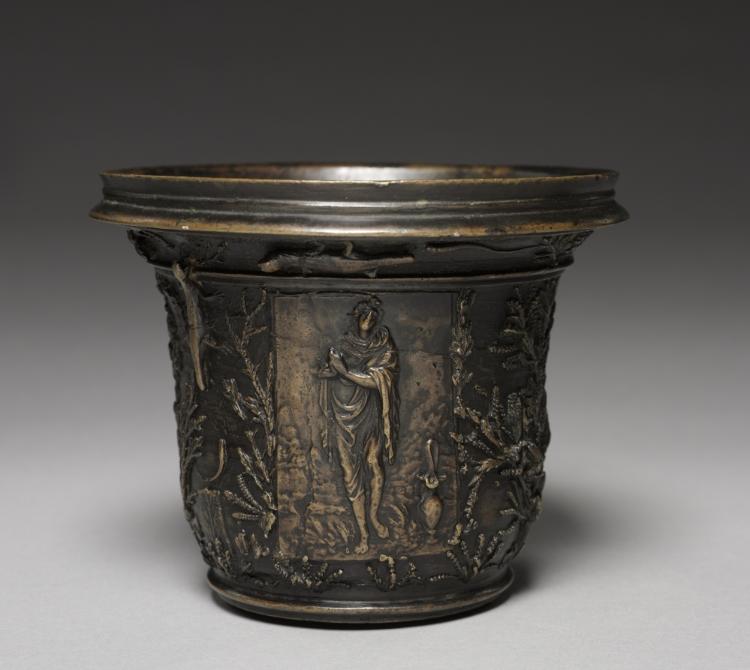
Executive Summary: The Mortar Collection as a Dialectical Wardrobe System
The Mortar subject represents a critical intervention in the 2026 executive wardrobe—a synthesis of two opposing aesthetic poles: the transcendental void of the Udumbara flower and the material plenitude of the Beast-and-Grape Mirror. For Addison Fashion NYC, this is not merely a stylistic exercise but a structural logic for urban dressing. The collection resolves the tension between sacred minimalism and secular abundance through a rigorous application of form and color, yielding garments that function as both armor and aperture. The chosen palette, Slate, anchors this dialectic: a neutral that is neither warm nor cold, but a volumetric gray that absorbs light while retaining density—the color of stone, of mortar itself, of the space between the flower’s ephemeral bloom and the mirror’s eternal reflection.
I. Form: The Architecture of Negative Space and Structural Density
A. The Udumbara Principle: Minimalist Silhouettes as Sacred Voids
The Udumbara flower’s aesthetic—microscopic, white, suspended in air—demands a form language of reduction. In the Mortar collection, this translates to silhouettes that prioritize negative space over volume. The key garment is the Slate Duster Coat, cut with a single, unbroken shoulder seam that drops to a sharp, unhemmed edge. The absence of lapels, pockets, or visible closures creates a visual “blank” that functions like the temple plaque’s calligraphic emptiness: it invites the eye to rest, to project, to contemplate. The fabric—a wool-cashmere blend with a matte, almost powdery finish—absorbs light rather than reflecting it, reinforcing the sense of a form that is present yet immaterial.
This principle extends to the Zero-Construction Trousers: a wide-leg cut with no waistband, no belt loops, no side seams. The garment is held by internal darts that create a subtle, vertical tension—a structural “breath” that mimics the flower’s suspension. The hem falls exactly one inch above the ground, creating a gap of air between fabric and floor. This is intentional emptiness, a formal device that transforms the wearer into a moving icon, detached from the pedestrian chaos of the street. The silhouette is not “minimal” in the sense of poverty; it is minimal as a philosophical position, a rejection of ornament in favor of essence.
B. The Beast-and-Grape Principle: Structural Abundance as Controlled Proliferation
In direct counterpoint, the Beast-and-Grape Mirror’s aesthetic—dense, spiraling, fecund—informs a second formal register: layered complexity within a disciplined frame. The Slate Grapevine Blazer exemplifies this. The outer shell is a clean, single-breasted jacket in a stiff, structured wool. However, the interior lining is a reversible, detachable vest printed with a micro-pattern of interlocking vines and abstracted beast motifs (rendered in a tonal Slate-on-Slate jacquard). The vest is visible only when the blazer is unbuttoned or when the wearer moves—a hidden abundance that mirrors the mirror’s back, where the sacred and the profane coexist unseen by the casual observer.
The Slate Harvest Trench takes this further. The outer layer is a classic trench silhouette, but the fabric is a double-faced wool: one side smooth and matte (the Udumbara face), the other side a raised, textured weave that suggests grape clusters and animal fur (the Beast face). The garment can be worn either side out, allowing the wearer to toggle between ascetic restraint and sensual richness with a single gesture. The belt—a wide, leather strap with a brass buckle shaped like a stylized Udumbara flower—is the only point of closure, acting as a visual fulcrum between the two aesthetics. The form is not chaotic; it is controlled proliferation, a system where every fold and seam is calculated to reveal or conceal depending on the viewer’s angle.
II. Color: The Slate Spectrum as a Bridge Between Void and Plenitude
A. The Udumbara Palette: Cool, Desaturated, and Translucent
The Udumbara’s whiteness is not a pure white but a cool, almost blue-gray that suggests the flower’s spectral, otherworldly nature. In the Mortar collection, this is rendered as Slate Frost—a pale, chalky gray with a hint of lavender undertone. This color appears in the Slate Frost Tunic, a single-layer, seamless garment cut from a silk-wool gauze that is almost transparent. The tunic is intended to be worn as a second skin, a layer that is felt more than seen. Its color is not a statement but a withdrawal, a retreat from chromatic assertion. It functions as the “empty” ground against which other colors—or the absence of color—can resonate.
This is paired with Slate Shadow, a deep, matte charcoal used for the Slate Shadow Pants. The contrast between Frost and Shadow creates a vertical gradient from lightness to darkness, echoing the Udumbara’s suspension between sky and earth. The color is not decorative; it is spatial, defining the garment’s volume through tonal difference rather than structural seaming. The effect is that of a painted void, a form that exists in the mind as much as in the physical world.
B. The Beast-and-Grape Palette: Warm, Dense, and Reflective
The Beast-and-Grape mirror’s colors—the burnished bronze of the mirror, the deep green of grape leaves, the ochre of animal fur—are translated into Slate Bronze, a metallic gray with a warm, coppery sheen. This color is used for the Slate Bronze Vest, a sleeveless, high-neck garment that is the collection’s most overtly “ornamental” piece. The fabric is a jacquard weave that catches light differently at every angle, creating a shifting, living surface that mimics the mirror’s reflective play. The vest is cut close to the body, its form emphasizing the torso as a vessel of vitality—a direct reference to the mirror’s celebration of earthly life.
Complementing this is Slate Earth, a deep, soil-like gray-brown used for the Slate Earth Skirt. This is a full, A-line skirt with a double-layer construction: an outer layer of stiff, matte wool and an inner layer of a lighter, more fluid fabric that peeks out at the hem. The color is grounded and fertile, a chromatic anchor for the collection’s more ethereal tones. When worn with the Slate Frost Tunic, the combination creates a dialectical tension—the lightness of the Udumbara above, the weight of the Beast below—that is resolved only through movement, as the skirt’s hem lifts to reveal the inner layer’s subtle sheen.
III. Synthesis: The Mortar Silhouette as a Wardrobe System for 2026
The Mortar collection’s ultimate achievement is its modularity. Each garment is designed to be worn in multiple configurations, allowing the wearer to dial between the sacred and the secular depending on context. The Slate Duster Coat can be worn open over the Slate Bronze Vest for a boardroom presentation (the coat’s emptiness framing the vest’s abundance), or closed over the Slate Frost Tunic for a gallery opening (the coat’s void absorbing the tunic’s translucency). The Slate Harvest Trench can be reversed to show the smooth face for a client meeting, then flipped to the textured face for an evening event.
This is not mere versatility; it is a philosophical wardrobe. The executive of 2026 operates in a world where boundaries between work and life, public and private, are increasingly porous. The Mortar collection provides a formal vocabulary for navigating this fluidity. The Udumbara garments offer retreat and reflection; the Beast garments offer engagement and expression. Together, they form a complete system that mirrors the dialectic of the original artifacts: the flower that blooms only to vanish, the mirror that reflects only to contain. In Slate, the collection achieves a chromatic unity that allows these opposing forces to coexist without conflict—a gray that is neither black nor white, but the mortar that binds them.
Conclusion: The Mortar collection is not a trend. It is a structural response to the existential demands of urban life in 2026. By encoding the Udumbara’s emptiness and the Beast-and-Grape’s fullness into a single, coherent form language, Addison Fashion NYC offers the executive a wardrobe that is at once a sanctuary and a stage. The silhouette is minimal, but its meaning is maximal. The color is Slate, but its resonance is infinite.