Urban Form: Christ at the Column
Geometric Integrity as Silhouette Architecture
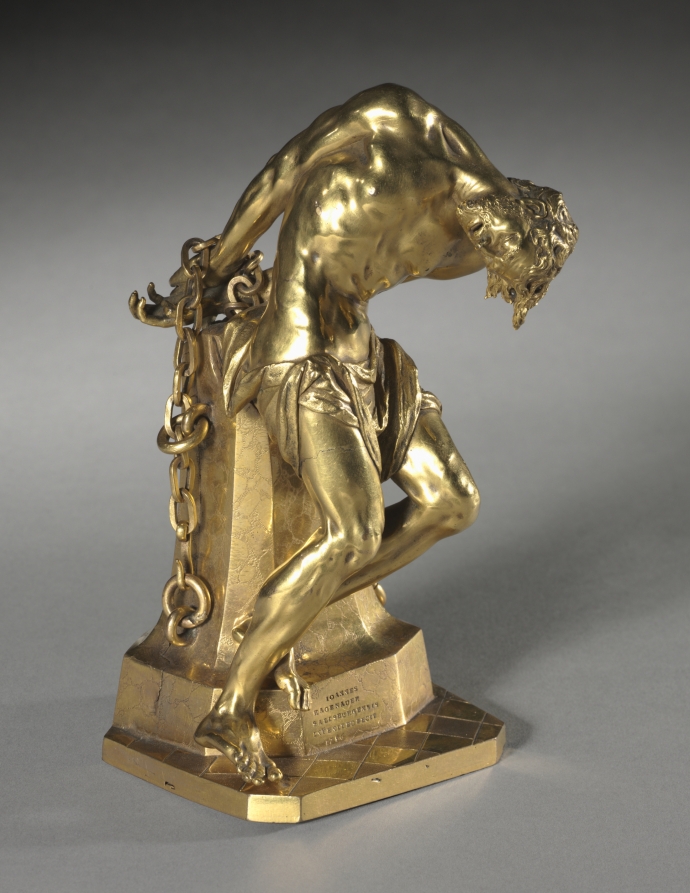
The subject Christ at the Column presents a vertical compression of form against an implied horizontal restraint. The bound figure, taut against the column, generates a structural poetics of tension that directly informs the 2026 executive silhouette for Addison Fashion. The column itself is not merely a prop but a geometric anchor—a rigid, unyielding axis around which the body’s torsion is measured. The verticality of the column, its fluted lines, and the figure’s asymmetrical weight shift create a minimalist grammar of opposition: the straight line versus the curved spine, the static versus the strained.
In translating this to urban materiality, the silhouette must reject soft draping in favor of architectural seams that mimic the column’s fluting. The shoulder line becomes a horizontal datum, sharp and unbroken, while the torso is cut with a single, continuous vertical dart that bisects the garment from clavicle to hem. This is not a silhouette of comfort but of controlled discomfort—the executive body as a monument to discipline. The fabric, a dense Onyx wool-cashmere blend, holds its shape with the compressive memory of stone, refusing to yield to movement. The hem falls precisely at the mid-calf, a proportional decision that echoes the column’s base: grounded, immovable, yet visually weightless in its precision.
Structural Poetics of the Bound Form
The artwork’s core drama lies in the binding of the figure—the ropes that cinch Christ’s wrists to the column. This is not a narrative of suffering but a formal device of containment. The ropes create a series of horizontal and diagonal vectors that interrupt the vertical flow, generating a visual rhythm of restraint. For the 2026 silhouette, this translates into strategic tension points: a single leather strap at the nape, a metal clasp at the inner wrist, a hidden zipper that runs diagonally across the ribcage. These are not decorative; they are structural ligaments that hold the garment in a state of permanent suspension.
The back of the garment becomes the primary site of expression. Where the front is a clean, uninterrupted plane of Onyx, the back is articulated with a corsetry-inspired lattice of matte-black boning. This lattice mimics the column’s fluting but in reverse—a negative space that frames the spine as the column itself. The wearer’s posture is forced into a vertical alignment, the shoulders drawn back, the neck elongated. This is the executive poetics of power: not comfort, but the aesthetic of controlled effort. The garment does not move with the body; the body moves within the garment’s geometric prison, a modern echo of the bound Christ.
Urban Materiality and the Onyx Palette
The choice of Onyx as the primary color is deliberate. It is not black; it is a deep, mineral grey with undertones of charcoal and slate. This color absorbs light rather than reflecting it, creating a matte surface that reads as volumetric. In urban environments—glass towers, concrete plazas, steel bridges—Onyx becomes a chameleonic neutral, shifting between shadow and structure. The fabric is a double-faced wool with a micro-ribbed texture that catches ambient light in a way that mimics the patina of aged stone. This is not a fabric for the boardroom; it is for the liminal spaces between architecture and the body.
The materiality of the column—its cold, unyielding surface—is translated into hardware details. The buttons are brushed steel discs, set flush into the fabric. The zippers are industrial-grade, with teeth that lock into place with an audible click. The lining is a silk-wool blend in a pale Ivory, a hidden contrast that references the interiority of the bound figure—the vulnerability beneath the armor. The garment’s weight is distributed asymmetrically, with a single pocket sewn into the left hip, its opening a horizontal slit that echoes the ropes’ diagonal tension. This is urban armor for the executive who navigates the city as a series of vertical and horizontal constraints.
Proportion and the 2026 Executive Silhouette
The 2026 executive silhouette is defined by extreme verticality with controlled horizontal breaks. The shoulder is squared and extended, but not padded—the structure comes from the fabric’s own rigidity. The waist is unmarked, the torso a single column from shoulder to hem. The only interruption is a single, sharp pleat at the front, running from the sternum to the hem, which creates a shadow line that mimics the column’s fluting. The sleeve is set-in and narrow, ending at the wrist bone, where a metal cuff—a direct reference to the ropes—cinches the fabric tight.
The length is mid-calf, a deliberate break from the floor-length or mini proportions of previous seasons. This length creates a visual base that grounds the silhouette, making it appear rooted yet mobile. The hem is unfinished, left raw to fray slightly, a textural counterpoint to the otherwise pristine construction. This is the urban sublime: the garment as a monument to the tension between order and entropy. The executive who wears this silhouette is not a participant in the city’s chaos but a static axis around which that chaos organizes itself.
Conclusion: The Silhouette as Spiritual Architecture
The Christ at the Column artwork, in its geometric purity and emotional restraint, offers a blueprint for the 2026 executive silhouette. It is a silhouette of minimalist extremity, where every line, seam, and material choice is a structural decision that references the bound figure’s tension. The Onyx palette, the architectural seams, the strategic hardware—all converge to create a garment that is not worn but inhabited. It is a second skin of urban stone, a vertical column of controlled power. In a world of fluidity and excess, this silhouette stands as a definitive statement of minimalist luxury: the body as a monument to its own discipline.