Urban Form: Crucifixion
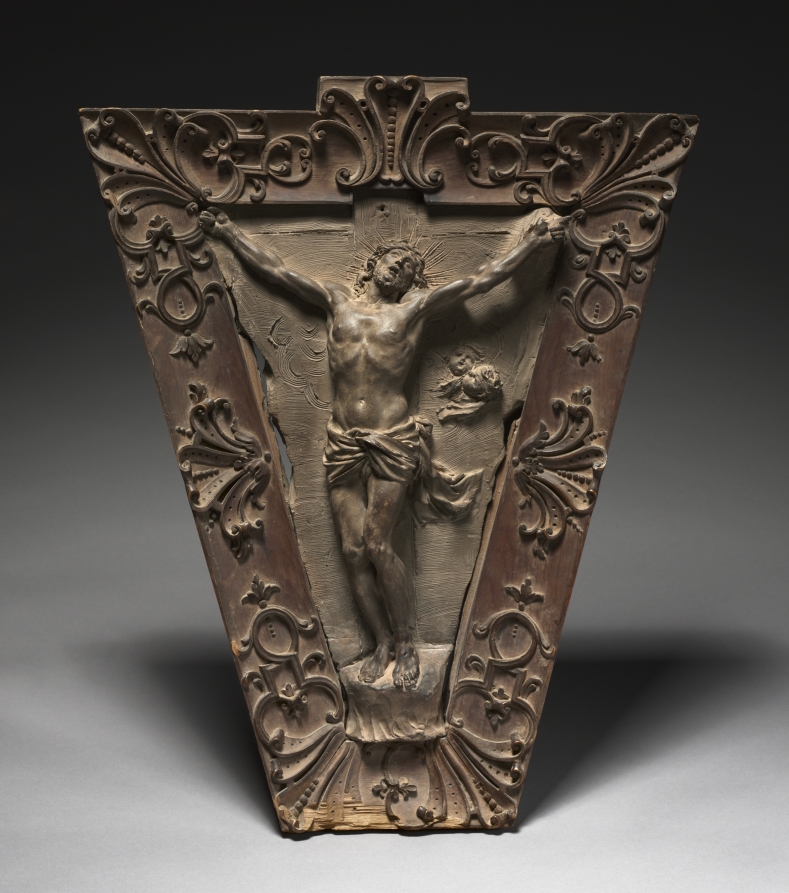
Structural Poetics of the Crucifixion Silhouette
The Crucifixion, as a subject of urban silhouette research, presents a paradox of verticality and suspension. In the context of Addison Fashion’s 2026 executive collection, this form is stripped of religious narrative and reimagined as a pure architectural diagram of tension and release. The geometric integrity of the cross—a central vertical axis intersected by a horizontal beam—defines a silhouette that is at once rigid and dynamic, a study in controlled asymmetry. This is not a literal rendering but a minimalist abstraction: the body becomes the load-bearing structure, and fabric is the material that negotiates between gravity and flight.
Vertical Axis: The Spine as Structural Column
The primary vertical line of the Crucifixion corresponds to the human spine, elongated and uncompromising. In the 2026 executive silhouette, this is achieved through extreme shoulder articulation and a tapered waist that mimics the tension of a suspended form. The Onyx palette—deep, absorptive, and non-reflective—enhances this verticality by eliminating visual distractions. The fabric, a high-density wool-cashmere blend, is cut with zero ease at the shoulders, creating a sharp, architectural line that drops directly from the acromion to the hem. This is not a drape but a structural cantilever, where the garment’s weight is borne by the clavicle and trapezius, much like the crossbeam of a crucifix. The result is a silhouette that stands independent of the body’s natural posture, imposing a rigid elegance that commands space.
Horizontal Intersection: The Transverse Beam as Urban Armature
The horizontal element of the Crucifixion is reinterpreted as a floating shoulder yoke or a detachable capelet that extends beyond the natural shoulder line. This is not a soft, flowing gesture but a precise, engineered extension—a 90-degree angle that breaks the vertical flow. In urban materiality, this is realized through laser-cut leather or structured neoprene, materials that hold their shape without internal boning. The transverse beam is positioned at the mid-sternum level, creating a visual break that echoes the cross’s intersection. This horizontal line serves as a counterpoint to the vertical, introducing a moment of tension that is both visual and psychological. It suggests a body caught between action and stillness, a frozen gesture that resonates with the urban executive’s need for poised authority.
Materiality and Surface: The Onyx Void
The Onyx color choice is deliberate: it is not black but a deep, sedimentary gray-black that absorbs light rather than reflecting it. This aligns with the Crucifixion’s theme of negative space—the void around the figure becomes as important as the figure itself. The fabric surface is matte and slightly textured, achieved through a double-faced weave that creates a subtle, almost imperceptible grain. This texture mimics the weathered stone of ancient crucifixes, grounding the silhouette in a sense of temporal weight. The absence of sheen or ornamentation forces the eye to focus on the pure geometry of the cut, making the garment a study in subtraction. Every seam is a deliberate line, every fold a structural necessity.
Urban Materiality: The City as Crucible
The 2026 executive silhouette draws from the urban landscape—the steel beams of skyscrapers, the grid of subway maps, the rigid lines of concrete. The Crucifixion form is a metaphor for the city dweller: suspended between the demands of vertical ascent (career, ambition) and horizontal expansion (network, influence). The garment’s structural poetics are thus a response to urban pressure. The high, stand-away collar mimics the protective shell of a building’s facade, while the asymmetric hemline—longer in the back, shorter in the front—creates a dynamic imbalance that suggests forward motion. The sleeves are set-in with a slight forward pitch, echoing the arms of the crucifix, but rendered in a slim, tubular form that eliminates excess fabric. This is not a garment for repose; it is a second skin for action.
Geometric Integrity: The Golden Ratio of Tension
The Crucifixion silhouette adheres to a strict proportional system. The vertical axis is divided into three parts: the upper third (shoulder to chest), the middle third (chest to waist), and the lower third (waist to hem). The horizontal beam intersects at the golden ratio point—approximately 1.618 from the top—creating a visual harmony that is both unsettling and compelling. This ratio is not arbitrary; it is derived from the classical proportions of the human form as seen in Renaissance crucifixion studies. In the 2026 collection, this is achieved through precise pattern engineering: the shoulder seam is dropped 2 cm beyond the acromion, the waist is cinched with a hidden internal belt, and the hem is cut at a 15-degree angle to the floor. The result is a silhouette that feels inevitable—as if the garment were always meant to exist in this form.
Conclusion: The Eternal Gesture
The Crucifixion, stripped of its religious context, becomes a pure diagram of structural tension. In the 2026 executive silhouette, it is a minimalist manifesto that speaks to the urban condition: the need for rigor, poise, and a sense of suspended purpose. The Onyx palette and architectural cuts create a garment that is not worn but inhabited—a second skeleton that defines the wearer’s presence in space. This is the definitive urban silhouette for the executive who understands that true power lies not in ornamentation but in the geometry of restraint. The cross is no longer a symbol of suffering; it is a blueprint for elevation.