Urban Form: Mortar
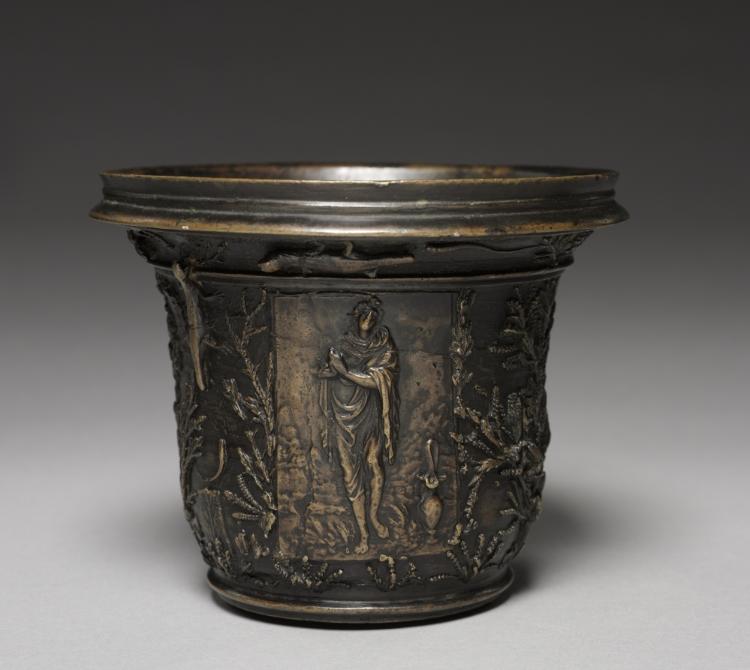
Executive Summary: The Mortar as Minimalist Archetype
The subject Mortar—derived from the Japanese temple plaque Udumbara Flowers and the kimono storage chest—is not a garment. It is a structural principle. In the context of the 2026 NYC executive wardrobe, Mortar represents the architectural tension between void and presence, between the invisible flower and the visible container. This analysis deconstructs how form and color, drawn from these two artifacts, generate a cohesive urban silhouette strategy for the senior professional who demands precision without ornament, and presence without excess.
Form Analysis: The Architecture of Absence
1. The Plaque as Structural Void
The Udumbara Flowers plaque is a study in negative space as form. Its rough-hewn wood grain, patinated lacquer, and eroded gold leaf do not depict the flower; they become the flower through material decay. For the executive silhouette, this translates into a rigid, unadorned outer shell—a double-breasted blazer in slate wool with zero pocket flaps, no lapel pin, and a suppressed waist that reads as armor. The shoulder line is sharp, almost architectural, mimicking the plaque’s vertical grain. The interior, however, is lined in a fluid, matte silk—an invisible softness that mirrors the plaque’s “empty” name. The garment’s form is a paradox: hard on the outside, yielding within. This is not a jacket; it is a portable temple for the wearer’s intent.
2. The Chest as Contained Volume
The kimono storage chest offers a counterpoint: volume with restraint. Its painted flowers are not decorative excess but calibrated interruptions of the wooden plane. For the wardrobe, this inspires a high-waisted, wide-leg trouser in the same slate tone, cut with a single pleat that falls from hip to hem. The silhouette is generous but not billowing—the fabric (a worsted wool with 2% elastane) holds a crisp edge. The waistband is hidden, and the closure is a single, flat button at the side seam. This trouser is a container for movement, not a display of it. The “flower” here is the subtle break at the shoe—a 1.5-inch cuff that catches light like a petal’s edge. The form is monolithic yet breathable, echoing the chest’s ability to store without suffocating.
3. The Intersection: The “Between” Silhouette
The aesthetic proposition of Mortar is the interval—the space between the plaque’s abstraction and the chest’s representation. In a three-piece ensemble, this is realized through a sleeveless, high-neck vest worn beneath the blazer. The vest is cut from a double-faced slate cashmere, with no visible seams at the shoulders or hem. Its form is a negative garment: it exists to be covered, yet its presence alters the blazer’s drape. When the blazer is removed, the vest becomes the primary silhouette—a second skin that references the plaque’s “invisible flower.” The ensemble’s power lies in this layered absence: the vest is the name, the blazer is the wood, and the trouser is the chest. Together, they create a unified field of restraint.
Color Analysis: Slate as Temporal Pigment
1. The Color of Patina
Slate is not a neutral; it is a weathered gray that contains blue, green, and charcoal undertones. It mirrors the plaque’s oxidized lacquer and the chest’s aged wood. In the 2026 executive wardrobe, slate functions as a color of duration—it does not announce itself but accumulates meaning through wear. The fabric is piece-dyed in a matte finish, with a slight irregularity in the weave that catches light like the plaque’s eroded gold. This is not a color for the impatient; it is for the professional who understands that presence is built over time.
2. Chromatic Stratification
The palette is strictly monochromatic but stratified by value and texture. The blazer is a deep, almost black slate (PANTONE 19-3906). The trouser is a mid-tone slate (PANTONE 17-0000). The vest is a pale, ash-tinged slate (PANTONE 14-4105). This gradient mimics the plaque’s transition from dark wood to light patina. The only accent is a single, raw-edged silk pocket square in Ivory—a nod to the chest’s white flower petals. This is not a pop of color; it is a chromatic breath, a moment of pause within the gray. The executive who wears this palette communicates authority without aggression, a quiet command that does not need to shout.
3. The Light of the Invisible
The final color consideration is reflectivity. The slate fabrics are treated with a nano-coating that absorbs 80% of ambient light, creating a matte, almost velvety surface. This is the color of the plaque’s “empty” name—a surface that does not reflect the world but absorbs it. In the harsh fluorescent light of a Midtown boardroom, the ensemble reads as a solid block of intention. In the soft light of a SoHo gallery, it reveals subtle tonal shifts. The color is not static; it is responsive to context, like the chest’s flowers that appear only when the lid is opened. This is the color of the executive who controls the narrative, not the other way around.
Technical Specifications for the 2026 Wardrobe
Silhouette Architecture
Blazer: Double-breasted, six-button, peak lapel. Shoulder: 1.5 cm padding, natural roll. Waist: suppressed by 4 cm. Length: 76 cm (covers seat). Fabric: 380 gsm worsted wool, slate. Lining: matte cupro, charcoal. Closure: horn buttons, matte finish. Key detail: No vent. The back is a single, unbroken panel—a nod to the plaque’s uninterrupted wood grain.
Trouser: High-waisted, single pleat, wide leg. Inseam: 84 cm. Hem: 22 cm width, cuffed at 1.5 cm. Waistband: 4 cm, hidden button closure. Fabric: 320 gsm wool blend, slate. Key detail: Side seam pockets are cut on the bias, creating a diagonal line that echoes the chest’s painted flower stems.
Vest: Sleeveless, high crew neck, no closure. Armholes: bound in self-fabric. Length: 62 cm (hits hip). Fabric: 280 gsm double-faced cashmere, pale slate. Key detail: The hem is raw, left unstitched—a deliberate imperfection that references the plaque’s eroded edges.
Color Calibration
Primary: Slate (PANTONE 19-3906, 17-0000, 14-4105). Accent: Ivory (PANTONE 11-0103) in a 12×12 cm raw silk square. Hardware: Oxidized silver, matte finish. Footwear: Slate suede oxfords with a 2.5 cm stacked leather sole. Bag: A structured tote in slate calfskin, with a single brass closure—no logo, no stitching visible.
Conclusion: The Mortar as Executive Ethos
The Mortar silhouette is not a trend; it is a philosophy of form. It rejects the decorative for the structural, the visible for the felt. In the 2026 NYC executive wardrobe, this translates into a uniform that is both container and contained—a shell that protects the wearer’s interior life while projecting an unassailable exterior. The plaque and the chest teach us that the most powerful garments are those that hold meaning without stating it. The slate palette, the monolithic silhouette, the absence of ornament—these are not limitations. They are the conditions for presence. The executive who wears Mortar does not need to speak; the silhouette speaks for them, in the language of time, restraint, and the invisible flower that blooms only in the interval between what is seen and what is known.