Urban Form: Hollow-Legged Tripod (Li Ding)
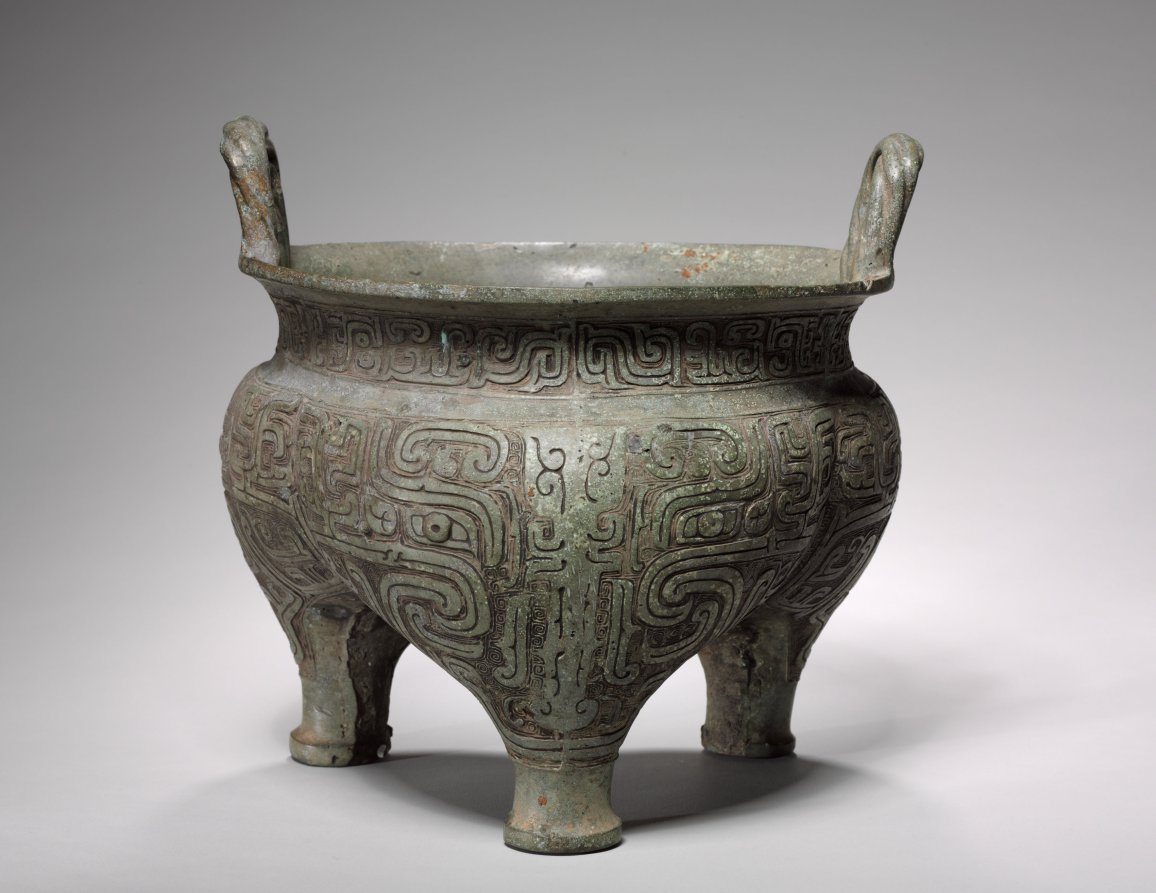
Geometric Integrity of the Hollow-Legged Tripod (Li Ding)
The Hollow-Legged Tripod (Li Ding) presents a paradigm of structural poetics that directly informs the 2026 executive silhouette. Its form is a study in controlled tension: three hollow legs, each a tapered cylinder, rise from a broad, stable base to support a shallow, open bowl. The geometry is not merely decorative but functional—the hollow legs reduce mass while maintaining load-bearing capacity, and the tripod configuration ensures equilibrium on uneven terrain. This is architecture distilled to its essential components: support, containment, and balance.
The verticality of the legs introduces a linear dynamism that counters the horizontal expanse of the bowl. The negative space between the legs creates a triangular void, a structural aperture that invites the eye to move through the object rather than around it. This interplay of solid and void is the core of the Li Ding’s geometric integrity. The legs are not monolithic; they are hollow, suggesting an interiority that is both protective and mysterious. The bowl, by contrast, is open and receptive, a vessel for offering or ritual.
In the context of the 2026 executive silhouette, this geometry translates into a minimalist architecture of the body. The hollow leg becomes a pneumatic structure—a sleeve or a pant leg that is voluminous yet structured, creating a sense of contained air. The tripod’s three-point stability informs a triangulated shoulder line, where the jacket’s lapels and the trouser’s crease converge to form a visual tripod. The bowl is the torso, a clean, unadorned block that sits atop the legs with precision.
Structural Poetics: From Artifact to Attire
The Li Ding’s structural poetics are rooted in its ritualistic function. As a vessel for offerings, it mediates between the earthly and the divine. This liminality is echoed in the executive silhouette, which must mediate between the individual and the corporate environment. The hollow legs are not just supports; they are conduits for energy, both literal and metaphorical. In fashion, this translates to seamed panels that create a sense of internal structure, as if the garment itself is breathing.
The urban materiality of the Li Ding is equally instructive. Cast in bronze or ceramic, its surface bears the marks of its making—texture from the mold, patina from age. For the 2026 silhouette, this suggests a preference for raw, unfinished materials: matte wool, unpolished leather, oxidized metal hardware. The color Onyx is chosen to evoke the deep, absorbent quality of the Li Ding’s surface—a black that is not flat but layered, with subtle variations in light absorption.
The triangulation of the tripod is a key structural device. In tailoring, this manifests as a three-point dart system that shapes the jacket’s back, creating a sculptural fit without restricting movement. The hollow leg is reinterpreted as a cargo pocket that is both functional and architectural, its volume creating a negative space against the thigh. The bowl becomes a collar that is both open and contained, framing the neck without overwhelming it.
Urban Materiality: The Executive as Vessel
The executive silhouette of 2026 is not about power dressing in the traditional sense. It is about presence through absence. The Li Ding’s hollow legs are a metaphor for the modern executive: strong yet hollow, capable of bearing weight while remaining light. The urban materiality of Onyx reinforces this duality. Onyx is a stone of depth and mystery, often used in ritual objects. Its blackness is not a void but a repository of light, absorbing and reflecting in equal measure.
In practical terms, the 2026 silhouette is defined by clean lines and minimal ornamentation. The jacket is unstructured but precise, with a triangular lapel that echoes the tripod’s void. The trousers are tapered but voluminous at the thigh, creating a hollow effect that is both modern and timeless. The overall silhouette is vertical, drawing the eye upward, much like the Li Ding’s legs draw the eye to the bowl.
The materiality is key. Wool is chosen for its density and drape, but it is felted to create a matte surface that absorbs light. Leather is used for accents, but it is unfinished, with a raw edge that suggests impermanence. Metal hardware is oxidized, not polished, to evoke the patina of age. Every element is chosen for its structural integrity and its poetic resonance.
Conclusion: The 2026 Executive Silhouette
The Hollow-Legged Tripod (Li Ding) is not merely an artifact; it is a blueprint for the 2026 executive silhouette. Its geometric integrity—the triangulation of support, the hollowing of mass, the containment of space—defines a new minimalist aesthetic. The color Onyx anchors this aesthetic in urban materiality, a black that is both absorbent and reflective, solid and void.
The executive of 2026 is a vessel for ideas, not a display of status. The silhouette is architectural but unassuming, structured but fluid. It is a tripod of the body: three points of contact—shoulders, hips, feet—that create a stable yet dynamic presence. The hollow leg is a pneumatic form, a contained volume that suggests potential. The bowl is a torso that is both open and protected, a space for ritual and action.
This is the definitive urban silhouette for 2026: minimalist in form, Onyx in color, and architectural in spirit. It is a silent statement of power through restraint, a vessel for the modern executive’s interior life.