Urban Form: Bacchanales: The Satyr's Dance
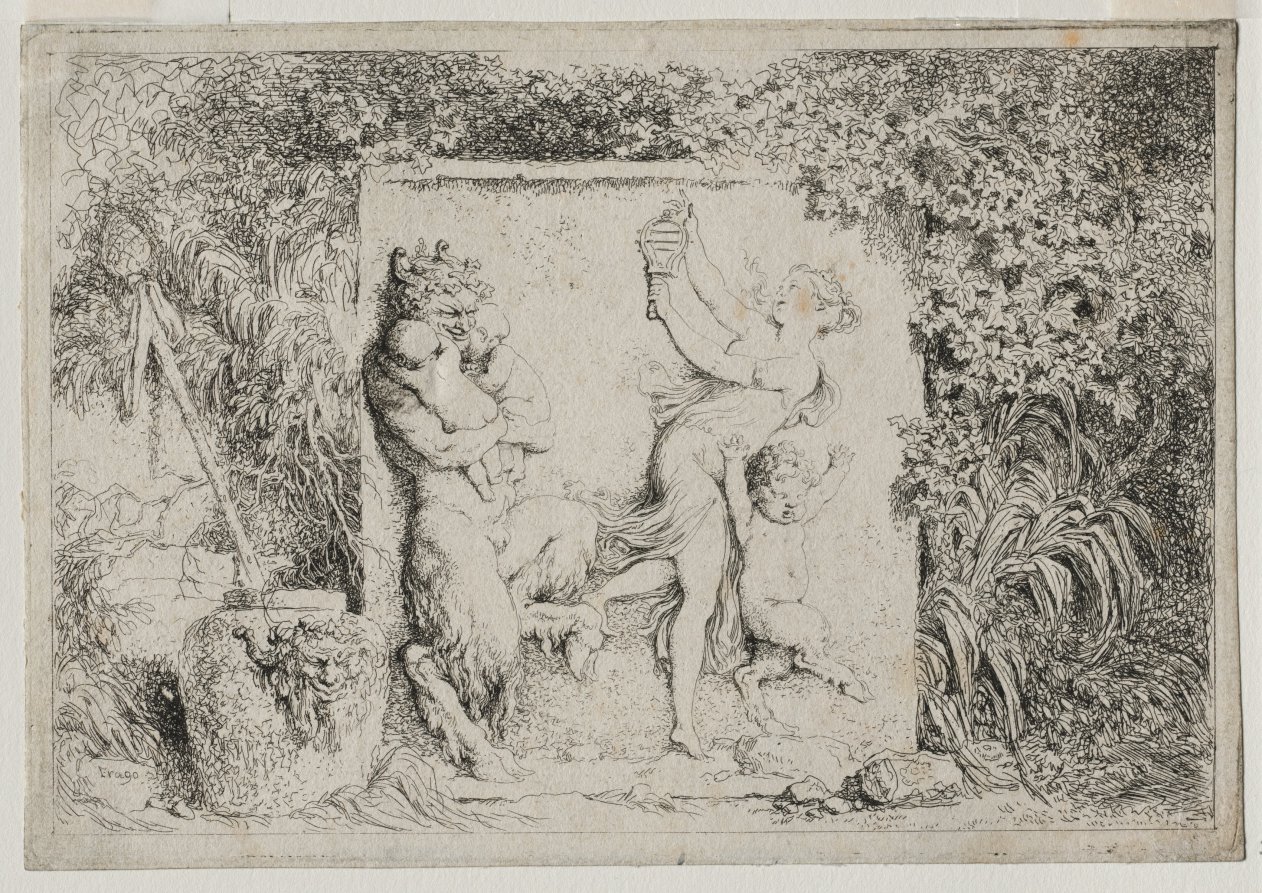
Technical Analysis: Bacchanales – The Satyr's Dance & The 2026 Executive Silhouette
The provided internal discourse on Flaubert's The Temptation of Saint Anthony and the Southern Song Loquat Diagram establishes a profound dialectic between Western symbolic conflict and Eastern harmonious void. For Addison Fashion’s 2026 executive silhouette, this is not a choice between two aesthetics, but the synthesis of their underlying geometric and philosophical principles into a singular, urban architectural form. The resultant silhouette is one of tailored tension—a precise negotiation between structured conflict and serene resolution, rendered in the definitive, psychological depth of Slate.
Geometric Integrity: The Architecture of Conflict and Void
The artwork’s core proposition—“如何在有限的物质形态中,开显无限的精神空间” (how to reveal infinite spiritual space within limited material form)—is the quintessential challenge of architectural tailoring. The Temptation offers a geometry of accumulation, distortion, and symbolic density. This translates not into literal ornament, but into a structural poetics of controlled dissonance. Imagine a single-breasted blazer where the traditional darting is exaggerated into a sharp, asymmetric seam that appears to torque the fabric before resolving into a razor-sharp shoulder line. This is the “变形” (deformation): the garment’s form is visually stressed, creating an internal narrative of restraint and release, mirroring the spiritual struggle. The silhouette’s integrity is maintained not through simplicity, but through the precise engineering of these calculated imperfections, much like the painting’s chaotic composition is held within its frame.
Conversely, the Loquat Diagram advocates for a geometry of essence, negative space, and inherent rhythm. In tailoring, this manifests as the strategic deployment of void. It is the elimination of superfluous seaming, the creation of a clean, unbroken plane across the back that terminates in a subtly sculpted, not padded, shoulder. The “留白” (blank space) is the exposed sliver of a Slate-toned turtleneck beneath the jacket’s stark V-line, or the exacting proportion of trouser break—or lack thereof—against a minimalist boot. The “生机” (vitality) is not in pattern, but in the dynamic line created by the body in motion within the garment’s precisely calibrated confines. The silhouette is defined as much by what is removed as by what remains.
Structural Poetics: The Satyr’s Tailored Dance
The 2026 executive silhouette for Addison Fashion embodies the “Satyr’s Dance”—a poised, rhythmic movement between these two states. The poetics are found in the material and construction dialogue. A coat’s rigid, almost architectural outer shell (the conflict, the defined form) may be lined in a contrasting, fluid silk (the harmony, the inner life). A dress’s torso is severely tailored with internal corsetry, creating a sculpted, conflict-ridden form that suddenly dissolves into a wide, circular skirt that moves with the effortless, breathing rhythm of the loquat branch. This is the synthesis: the inward struggle for perfection meeting the outward expression of serene authority.
The armhole is cut with surgical precision, allowing for a full range of motion while maintaining a clean, unmoving connection to the torso—a direct translation of “凝神观照” (focused contemplation) into sartorial function. Seams are not merely functional; they are linear narratives. A single seam may arc from the collarbone to the hip, acting as both structural necessity and a graphic element that divides and defines the form, echoing the “枝叶的穿插疏密有致” (the orderly density of the interlacing branches and leaves).
Urban Materiality: The Slate Canvas
The color Slate is non-negotiable for this expression. It is the chromatic embodiment of the intellectual synthesis at play. It possesses the cool, mineral density of stone—referencing the monastic austerity of Saint Anthony’s cell—while simultaneously holding within it subtle, variable undertones of grey, blue, and green, much like the shifting light on a ink-wash painting. In urban materiality, Slate is rendered in technologically advanced fabrics that further the dialogue. A double-faced wool-mohair blend provides a matte, rigid hand for outer shells, its slight halo echoing the mystical aura of the Temptation. For “void” pieces, a heavy, fluid crepe or a matte technical jersey in the same Slate hue is employed, offering drape and movement that suggest the loquat’s “从容的‘在场’” (composed “presence”).
Texture becomes paramount. Burned-out velvet creates areas of shadow and light, a tactile representation of spiritual torment and relief. Waxed cotton, with its cold, architectural sheen, is cut into severe lines, while untreated, dry Japanese denim in Slate offers a more contemplative, textured base. The urban environment is the modern bacchanal—a landscape of glass, steel, and frenetic energy. The Addison silhouette, in Slate, provides the wearer with both armor and aura. It is a garment that commands space through its geometric certainty (the tailored conflict) yet invites contemplation through its mastery of negative space and luxurious, somber materiality (the harmonious void).
Ultimately, the 2026 executive silhouette is a philosophical garment. It does not merely clothe the body; it articulates a mindset. It is for the executive who navigates the dense, symbolic conflicts of the global boardroom (the Temptation) yet possesses the clarity to find moments of serene, decisive focus (the Loquat). It is tailored, for discipline is the foundation. It is Slate, for complexity must be contained within a sophisticated, unified field. This is not fashion as decoration, but fashion as architectured poetics—a limited material form designed to open an infinite space for authority.