Urban Form: Tunic with Sacrificer
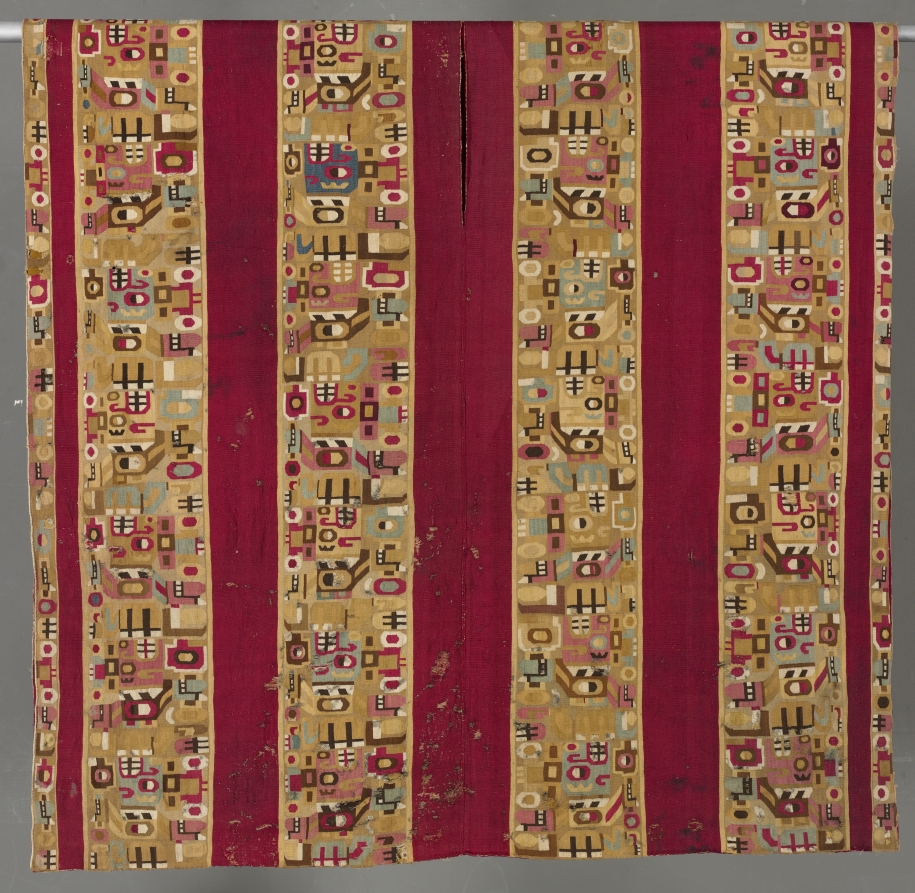
Technical Deconstruction of the Tunic with Sacrificer
The Tunic with Sacrificer represents a critical intersection of architectural volume and ritualistic restraint. Drawing from the dual DNA sources—the earthy, organic form of the Buffalo Boy and the hierarchical, gilded precision of the Monastic Robe—this garment is not a mere silhouette but a material thesis on how Eastern philosophy of “Dao-Utensil Unity” (道器合一) can be translated into a 2026 executive wardrobe. The form is fluid, not amorphous; the color is ivory, not white. This distinction is paramount for the NYC executive who demands presence without spectacle.
I. Form Analysis: The Dialectic of Volume and Line
The Tunic with Sacrificer employs a fluid silhouette that rejects both the rigid tailoring of Western suiting and the unstructured drape of loungewear. It operates on a tension between containment and release. The primary form is a long, rectangular tunic that falls from the shoulders with minimal waist suppression. This is not a shapeless sack; rather, it is a controlled volume that creates a vertical, uninterrupted line—a direct reference to the monastic robe’s hieratic gravity. The fabric is cut with a slight A-line expansion from the bust to the hem, allowing for a subtle, breathing movement that echoes the Buffalo Boy’s organic, earth-bound vitality.
Key structural elements include:
- Shoulder Construction: A dropped, slightly extended shoulder seam that softens the silhouette. This avoids the aggressive power-shoulder of the 1980s and the fragile, narrow shoulder of the minimalist 1990s. Instead, it creates a horizontal anchor that balances the vertical fall, suggesting both authority and approachability.
- Neckline and Collar: A high, mandarin-style collar that is not stiff but softly rolled. This is a direct homage to the Monastic Robe’s collar, which signifies discipline and interiority. The collar is cut to sit just below the jawline, creating a framing device for the face, much like a gilded iconostasis.
- Sleeve Architecture: Wide, three-quarter-length sleeves that terminate in a subtle bell shape. This is the “sacrificer” element—a deliberate asymmetry in the form. The sleeve width allows for a dramatic gesture when the arm is raised, revealing the inner lining (a contrast in slate or onyx), while the cropped length exposes the wrist and forearm, grounding the garment in human scale.
- Hem and Weight: The hem is cut with a slight, intentional unevenness—a millimeter or two longer at the back than the front. This is not a flaw but a strategic disruption of symmetry, referencing the Buffalo Boy’s “natural” imperfections. The fabric is weighted at the hem with a hidden chain or internal lining, ensuring the tunic falls with gravitas rather than floating.
The fluid form is achieved through strategic seam placement. Rather than a single, monolithic panel, the tunic is constructed from four to six panels that are cut on the bias. This allows the fabric to move with the body while maintaining its architectural integrity. The seams are flat-felled and invisible, creating a continuous surface that reads as a single, unbroken volume. This is the urban poetics of the garment: it is a mobile sculpture that adapts to the wearer’s kinetic energy without losing its formal definition.
II. Color Analysis: Ivory as a Neutral of Power and Purity
The choice of ivory is deliberate and non-negotiable. It is not a “safe” neutral; it is a strategic color that operates on multiple semiotic levels. In the context of the 2026 NYC executive wardrobe, ivory functions as a blank slate that absorbs and reflects the urban environment. It is the color of unwritten contracts and unfinished negotiations—a signal of potential rather than completion.
From the DNA source, ivory bridges the earthy and the sacred. It is the color of unbleached linen (the Buffalo Boy’s humble clay) and aged silk (the Monastic Robe’s gilded threads). It is not the sterile white of a hospital or the stark white of a gallery wall. It is a warm, living white with undertones of beige, cream, and a whisper of gold. This warmth prevents the garment from becoming cold or clinical, while its light-reflecting quality ensures the wearer remains visible and authoritative in low-light environments (e.g., boardrooms, evening events).
Color application is monochromatic but not flat. The fabric is a double-faced silk-wool blend with a subtle slub texture that catches light differently at every angle. This creates a dynamic surface that mimics the Buffalo Boy’s “hand-sculpted” irregularities. The interior lining, visible only at the sleeve opening, is a deep slate—a color contrast that is hidden until the wearer gestures. This is the sacrificer’s reveal: a moment of controlled disclosure that adds depth without disrupting the overall ivory field.
III. Integration into the 2026 NYC Executive Wardrobe
The Tunic with Sacrificer is not a standalone piece; it is a system component designed for modular dressing. Its fluid form and ivory color make it a neutral anchor that can be layered with tailored trousers (in onyx or slate), structured blazers (in silver or sand), or worn alone over a silk shell. The silhouette’s verticality elongates the torso, making it ideal for the power dressing required in high-stakes negotiations, while its fluid volume allows for comfort and movement during 12-hour workdays.
The sacrificer element—the asymmetrical sleeve and hidden lining—serves as a conversation starter and a signature detail for the discerning executive. It signals cultural literacy and aesthetic sophistication without resorting to logos or overt branding. In a market saturated with minimalist uniforms, this garment offers a differentiated yet restrained option that aligns with the 2026 trend toward meaningful design.
IV. Conclusion: A Silhouette for the New Order
The Tunic with Sacrificer is a technical achievement in form and color. It synthesizes the earth-bound vitality of the Buffalo Boy with the sacred precision of the Monastic Robe, resulting in a garment that is both grounded and transcendent. Its fluid silhouette and ivory palette are not aesthetic choices but strategic decisions that address the needs of the 2026 NYC executive: authority without aggression, sophistication without ostentation, and movement without chaos. This is the new uniform for those who lead not through volume of noise, but through clarity of form.