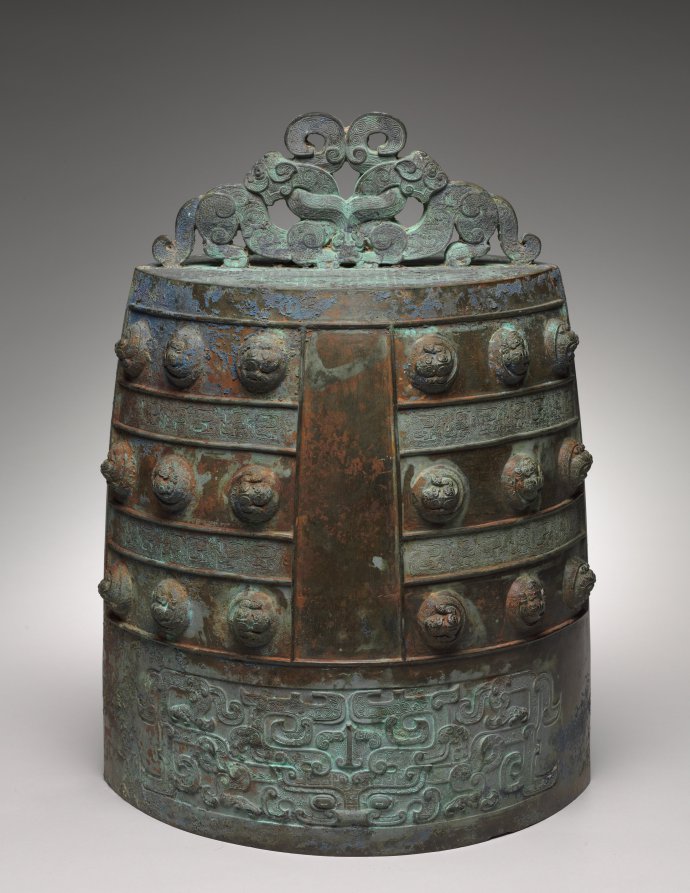
Urban Form: Bell (Bo Zhong)
Technical Analysis: The Dialectic Silhouette
The provided internal DNA presents a profound aesthetic dialectic: the sharp, interrogative linearity of Ingres’s Oedipus and the Sphinx against the fluid, contemplative circularity of the Ming Dynasty Landscape Inscription Plate. For the 2026 executive silhouette, this is not a choice but a synthesis. The directive is to architect a form that embodies the structural tension of the question while possessing the contained resonance of the answer. The resulting geometry is one of precise, tailored articulation—a silhouette that is fundamentally architectural, yet its architecture is designed not merely to house the body, but to facilitate a specific, urban poetics of movement and presence. The color Slate is foundational: it is the color of reasoned stone, of twilight intellect, possessing the cool depth of the Ingresian cavern and the subtle, veined complexity of ink-wash rock formations.
Structural Poetics: The Linear Interrogation & The Curvilinear Embrace
The geometric integrity of the 2026 silhouette is derived from a deliberate collision of these two principles. From the Ingres, we extract the “dramatic instant” frozen in line. This translates sartorially into a rigorous emphasis on the constructed shoulder, the sharp bisection of the torso through precise darting and seamwork, and the clean, decisive break of a trouser or skirt. The silhouette presents a series of resolved, triangular compositions—the shoulder line to the narrow waist, the inverted triangle of a deep V-neckline. This is the “human reason confronting the enigma” made manifest in cloth: a posture of defined, confident interrogation against the urban landscape.
However, this neoclassical rigidity is subverted and completed by the principles of the porcelain plate. The plate’s circular form and its landscape that “flows over the curved surface” inform the silhouette’s relationship to the body and space. Seaming is engineered not only for structure but for guided movement. A single, parabolic seam may originate at the shoulder, curve around the scapula to suggest contained energy, and resolve at the waist. The “blank space” (liu bai) is as critical as the constructed element. This is achieved through strategic negative space—a deep armhole revealing a sliver of the inner garment, a precisely calibrated gap between cuff and glove, a back panel that remains austerely clean while the front is intricately mapped. The wearer’s own movement and the play of light become the “breath” moving through these channels.
Urban Materiality: The Vessel and The Blade
The material execution is where this dialectic achieves its tactile, sophisticated reality. The silhouette demands fabrics that possess a dual consciousness: the cool, pictorial clarity of Ingres’s oil and the resonant, tactile depth of fired porcelain glaze.
The primary material lexicon is one of architectural textiles. Double-faced wool in a Slate hue, with one side a fine gabardine for a sharp, external shell and the reverse a soft cashmere blend, embodies the container’s interior/exterior duality. Tech-weight molded felts are used for sleeves or yoke panels, holding a sculptural form that recalls the plate’s deliberate curvature, yet their matte finish references modernist concrete. For key structural elements—the lapel roll, the shoulder extension—we introduce laminated silk organza. This material provides the “precise line” of Ingres with an ethereal, almost floating rigidity, a paradox that captures the tension of the mythic moment.
The concept of the vessel is further expressed through modular construction. A coat may feature removable interior gilets, transforming its volume and function; a tailored jacket may have hidden, magnetic closures that allow the front to be reconfigured from a sharp single-breasted line to a softer, wrapped overlap. This is the silhouette as a “container of potential states”—from the assertive, questioning posture of a meeting to the contemplative, receptive state of transit.
The 2026 Executive Silhouette: A Contained Proposition
The definitive 2026 executive silhouette is, therefore, a tailored vessel for intellectual poise. It is defined by its geometric integrity, which is never monolithic but dialogic. The outline against the city’s grid is sharp and definitive—the blade. Yet its experience, in movement and in stillness, is one of curated flow and resonant space—the mirror.
It answers the urban environment not with decorative flourish, but with silent, formidable articulation. The Slate color ensures it reads as a tonal extension of the steel, glass, and shadow of the metropolis, while its nuanced construction reveals a deeper narrative upon closer inspection. It is a silhouette that does not shout but poses a considered question, and in its very form, contains the space for a multitude of answers. It is, in essence, the wearable manifestation of the provided thesis: a form that guards, with sophisticated precision, the eternal inquiry of the modern executive poised between action and reflection, challenge and comprehension.