Urban Form: The Yellow Evening
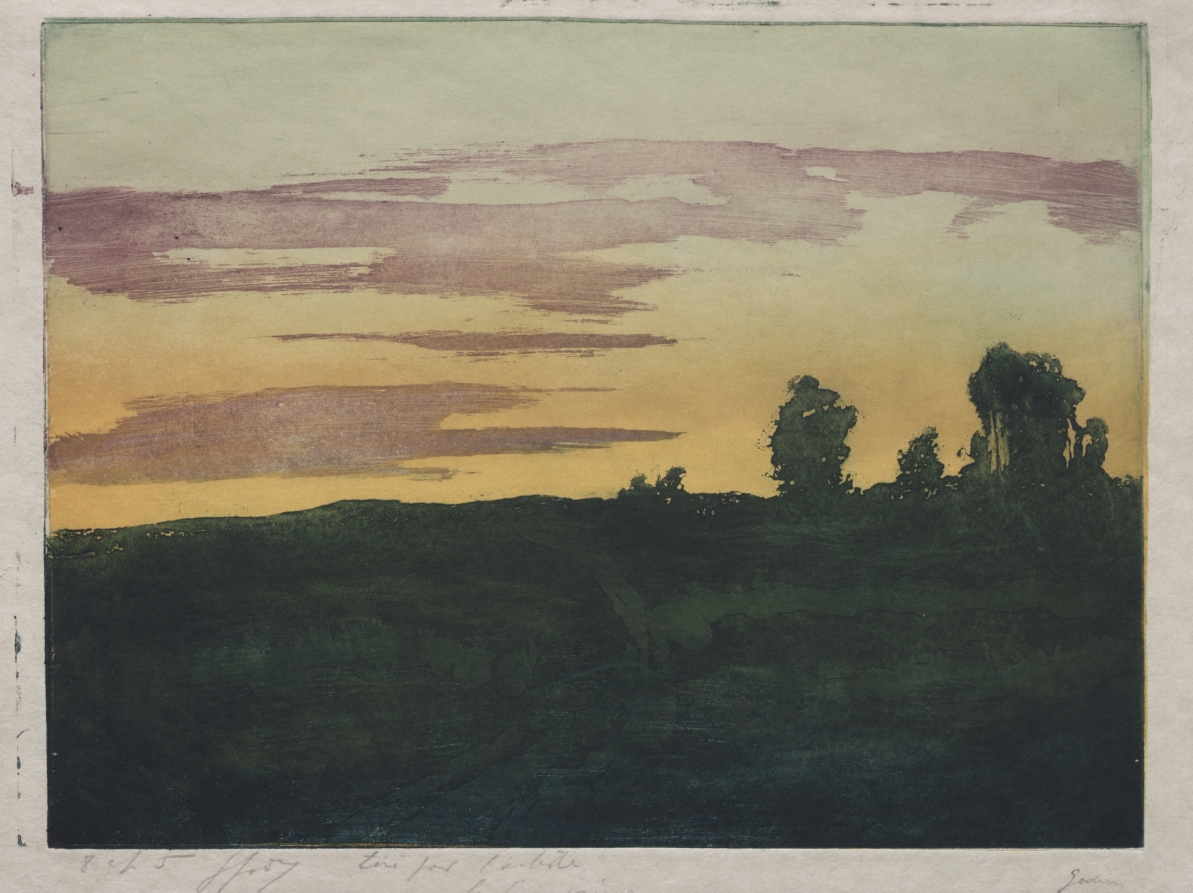
Technical Analysis: The Yellow Evening — A Study in Form and Color
I. Form as Philosophical Construct: The Dialectic of Emptiness and Density
The Yellow Evening collection for Addison Fashion NYC is not a mere seasonal offering; it is a rigorous exercise in translating metaphysical principles into wearable architecture. The DNA source material—a juxtaposition of the “Udumbara” temple plaque and the Han Dynasty bronze mirror—presents a foundational dialectic: emptiness versus density, stillness versus motion. For the 2026 executive wardrobe, this translates into a formal language where minimalism is not an absence, but a highly controlled presence.
The Udumbara plaque, with its “empty and silent” aesthetic, informs the collection’s core silhouette strategy. The form is reductive—a single, unbroken line from shoulder to hem. There is no superfluous darting, no decorative seam. The garment’s power lies in its negative space. Consider the “Temple Column” coat: a floor-length, single-breasted silhouette in a dense, matte wool. The shoulder is slightly dropped, creating a gentle, almost imperceptible slope that mimics the worn edge of the wooden plaque. The collar is a high, standing band—a “frame” that isolates the neck and face, much like the plaque’s wooden border isolates the calligraphy. The form is static, grounded, and contemplative. It does not demand attention; it commands it through its refusal to perform. This is the “emptiness” of the plaque made physical: a garment that is a vessel for the wearer’s presence, not a distraction from it.
In direct contrast, the bronze mirror’s “full composition” and “dynamic rhythm” inform the collection’s secondary forms. The mirror’s dense, swirling relief—the chariot, the beasts, the flying ribbons—is translated into structured, kinetic volume. The “Chariot” blouse exemplifies this. Cut from a liquid silk charmeuse, it features a dramatic, asymmetrical drape that originates at the left shoulder and cascades diagonally across the torso, gathering at the right hip. This is not a random fold; it is a calculated, engineered line that creates a sense of forward motion, of “galloping” through space. The sleeve is cut in a single, continuous piece with the body—a “kimono” construction—but is then cinched at the wrist with a rigid, polished silver cuff. This creates a tension: the fluidity of the fabric versus the constraint of the metal, the “full” volume of the sleeve versus the “empty” space of the cuff. The form is active, assertive, and narrative. It is the mirror’s “moving stillness” made wearable.
II. Color as Atmosphere: The Ivory Spectrum and the Logic of Light
The chosen color for The Yellow Evening is Ivory. This is not a neutral; it is a highly specific, luminous pigment that functions as the collection’s primary atmospheric agent. In the context of the DNA source, Ivory is the “blank space” of the plaque and the “patina” of the bronze mirror. It is the color of aged bone, of unbleached silk, of moonlight on marble.
The collection utilizes a monochromatic palette of three distinct Ivory tones, each with a different chromatic temperature and surface finish:
1. Raw Ivory (Matte): This is the base tone, used for the “Temple Column” coat and the “Udumbara” trousers. It is a cool, almost chalky white with a hint of grey. The fabric is a heavy, brushed cotton-linen blend. The matte finish absorbs light, creating a “dead” surface that emphasizes the garment’s pure form. This is the “emptiness” of the plaque—a color that does not reflect, but rather holds the light within its fibers.
2. Burnished Ivory (Satin): This tone is warmer, with a faint yellow undertone reminiscent of old parchment or aged bronze. It is used for the “Chariot” blouse and the “Mirror” skirt. The fabric is a heavy silk satin with a high-luster finish. The satin weave creates a “liquid” surface that catches and reflects light in sharp, dynamic highlights. This is the “fullness” of the mirror—a color that moves with the body, creating a shifting, kinetic field of light.
3. Veiled Ivory (Sheer): This is the most complex tone—a translucent, almost invisible white achieved through a double-layer of fine silk organza. It is used for the “Udumbara” overlay, a sheer, floor-length duster worn over the core silhouettes. The overlay creates a “veil” of color, softening the hard lines of the matte and satin pieces beneath. This is the “between” state—the space between the plaque’s emptiness and the mirror’s fullness. It is the “象外之象” (image beyond image) made tangible through fabric.
III. Synthesis: The 2026 Executive Wardrobe as a System of Oppositions
The Yellow Evening collection is not a series of individual garments; it is a system of formal and chromatic oppositions designed to be layered and deconstructed. The 2026 executive woman does not wear a single “look.” She wears a composition.
The Core System:
- Layer 1 (Base): Raw Ivory trousers (wide-leg, high-waist, with a single, sharp crease down the front). This is the “ground”—the static, empty foundation.
- Layer 2 (Structure): Burnished Ivory blouse (the “Chariot” drape). This is the “figure”—the dynamic, full element that introduces motion.
- Layer 3 (Frame): Raw Ivory coat (the “Temple Column”). This is the “frame”—the architectural boundary that contains and defines the figure.
- Layer 4 (Atmosphere): Veiled Ivory duster (the “Udumbara” overlay). This is the “space”—the translucent layer that blurs the boundary between figure and ground, creating a sense of depth and mystery.
This system allows for infinite variation. The executive can wear the coat alone for a board meeting (pure form, pure power). She can wear the blouse and trousers for a client dinner (dynamic, narrative). She can add the duster for an evening gala (atmospheric, transcendent). The collection is modular, but each module is a complete philosophical statement.
IV. Conclusion: The Logic of Restraint
The Yellow Evening is a masterclass in negative capability—the ability to hold two opposing ideas in mind without seeking resolution. The form is both empty and full. The color is both static and kinetic. The garment is both a shield and a window. For the 2026 NYC executive, this is not a fashion choice; it is a strategic posture. In a city of noise, the Minimalist silhouette in Ivory is a signal of controlled power. It says: I do not need to shout. I am the space between the words.