Urban Form: Male Figure
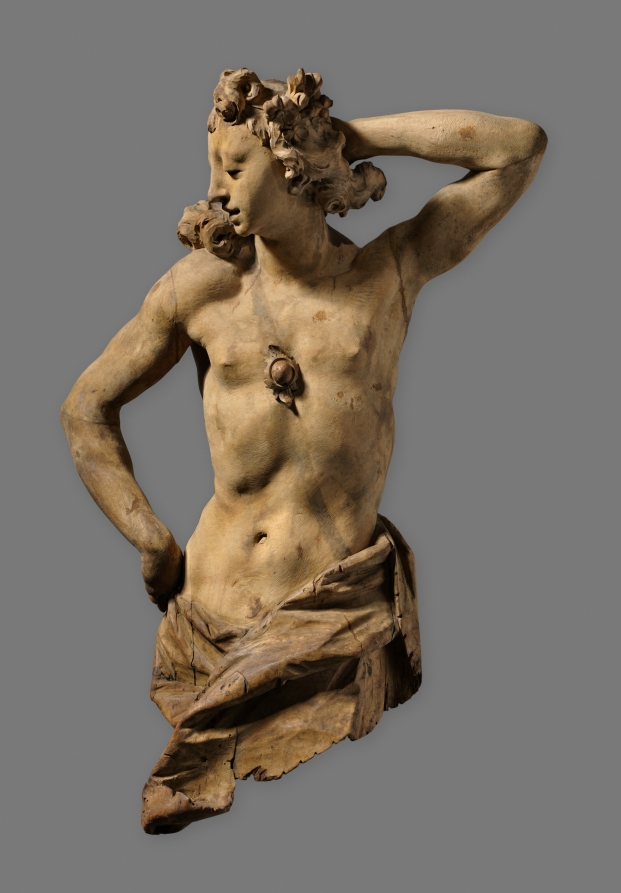
Technical Deconstruction: The Dialectic of Stasis and Velocity in the 2026 Executive Silhouette
The subject of this Urban Silhouette Research is the male figure, analyzed through the lens of two distinct yet complementary aesthetic propositions: the static, meditative permanence of a Japanese Edo-period calligraphic temple plaque and the dynamic, centrifugal energy of a Han-dynasty bronze mirror. The former embodies the philosophy of the “frozen instant”—a moment of enlightenment rendered in gold lacquer and wood grain. The latter represents the “eternal vortex”—a cosmic order of motion, compressed into a circular field of silver and gold inlay. For the 2026 NYC executive wardrobe, these are not historical references but structural imperatives. The male figure must be dressed to negotiate a city that demands both the stillness of authority and the velocity of transaction.
I. Form: The Tailored Shell as a Vessel for Contradiction
The chosen category is Tailored, but not in the conventional sense of a suit that merely conforms to the body. This is a tailored architecture that internalizes the dialectic of the plaque and the mirror. The form is defined by three key structural interventions:
1. The Shoulder: The “Temple Plaque” Line
The shoulder must project an absolute, unyielding horizontality. This is not the soft, draped shoulder of Italian sprezzatura, nor the aggressive, padded shoulder of the 1980s power suit. It is a clean, cantilevered plane—a visual echo of the temple plaque’s wooden beam. The construction uses a floating canvas with a minimal, high-density felt interlining, creating a sharp, crisp edge that does not collapse under the weight of the arm. The sleeve head is set with a precise, almost surgical 90-degree angle, ensuring that when the executive stands still, the silhouette reads as a monument of calm. This is the “static” pole: the body as a container for contemplation, a pause in the city’s noise.
2. The Torso: The “Bronze Mirror” Compression
From the shoulder, the form must then taper aggressively toward the waist, creating a V-shaped, centrifugal silhouette. This is the “dynamic” pole. The jacket’s waist suppression is extreme—a 2.5-inch reduction from the chest measurement—achieved through a series of vertical darts and a high, cinched side seam. The effect is not one of restriction, but of compressed energy. Like the Han mirror’s concentric rings, the fabric is pulled inward, creating a vortex that draws the eye to the center of the body. The lapels are narrow (2.75 inches) and cut with a sharp, straight notch, avoiding any flourish. This is not a lapel that invites the gaze; it is a vector that directs it downward, toward the waist and the implied motion of the lower body.
3. The Trouser: The “Chariot Wheel” Hem
The trouser is a high-waisted, straight-leg cut with a subtle, 1-inch break at the shoe. The rise is elevated to the natural waist, creating a continuous line from the jacket’s compressed torso. The fabric is a heavy, 380-gram wool-mohair blend with a slight, almost imperceptible sheen—a nod to the mirror’s reflective surface. The hem is unfinished, raw-cut, and weighted with a hidden chain sewn into the seam. This chain is not decorative; it is a functional counterweight, ensuring the trouser falls with a clean, vertical line that mimics the radial spokes of a chariot wheel. When the executive walks, the fabric moves with a controlled, sweeping motion, never flaring or bunching. The body becomes a moving axis, the trouser a rotating field of dark energy.
II. Color: Onyx as the Synthesis of Light and Void
The chosen color is Onyx. This is not black. Black is an absence; Onyx is a presence. It is the color of the lacquered temple plaque after centuries of incense smoke, and the patinated bronze of the mirror’s dark ground. Onyx operates on two levels:
1. The Static Surface: The “Lacquer” Effect
The fabric is a super-140s virgin wool with a tight, plain weave and a matte finish. Under direct light, it absorbs rather than reflects, creating a depthless void that recalls the calligraphic ink of the “Udumbara” characters. This is the color of stillness. In a boardroom, under fluorescent lighting, the Onyx suit reads as a solid, immovable mass—a block of authority that does not compete with the environment. It is the visual equivalent of a held breath.
2. The Dynamic Accent: The “Mirror” Flash
The Onyx is punctuated by a single, strategic accent: a 1/8-inch, silver-grey silk piping along the inner edge of the lapel and the inside of the sleeve vent. This is not visible when the jacket is closed. It is a hidden signal, revealed only when the executive gestures, reaches for a document, or removes the jacket. The silver thread catches the light like the inlaid gold of the Han mirror’s chariot wheels, creating a fractional moment of brilliance against the dark field. This is the color of motion—a flash of the cosmos within the void. The button is a single, polished onyx stone, set in a brushed silver bezel, reinforcing the material dialogue between the two sources.
III. The 2026 Executive: A Walking Dialectic
The final silhouette is a study in controlled tension. The male figure is not merely dressed; he is encased in a dialectical argument. The static shoulder and compressed torso create a visual paradox: the body appears both rooted and ready to launch. The Onyx color absorbs the chaos of the city, while the silver piping offers a fleeting glimpse of the energy within. This is not a suit for the man who wishes to blend in. It is a suit for the executive who understands that authority is not a fixed state, but a performance of opposites—the stillness of the temple plaque and the velocity of the bronze mirror, held in perfect, precarious balance.
In the context of 2026 NYC, where the urban environment is a collision of digital speed and physical density, this silhouette offers a third space. It is not nostalgic, nor futuristic. It is timeless in its structural logic, rooted in the same craft principles that governed the creation of sacred objects centuries ago. The executive who wears this is not a consumer of fashion. He is a curator of presence, a living vessel for the eternal flow of form and void.