Urban Form: Dovizia (Plenty)
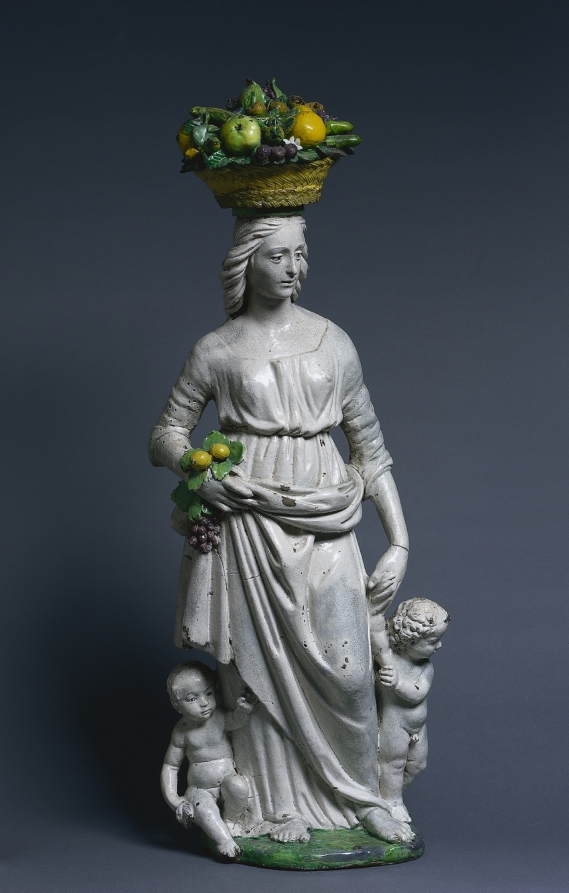
Executive Summary: The Dovizia (Plenty) Silhouette
The Dovizia (Plenty) collection for Addison Fashion NYC is a rigorous exercise in negative-space theology and compressed power. Drawing from the dual DNA sources—the Metropolitan Museum of Art’s Bodhisattva sculpture and the Walters Art Museum’s bovine-headed amulet—this line deconstructs the sacred body into a wearable, urban lexicon. The Bodhisattva offers a study in idealized elongation and rhythmic drape, while the amulet provides a counterpoint of dense, protective geometry. The result is a silhouette that is simultaneously expansive and contained, a dialogue between spiritual aspiration and terrestrial armor. For the 2026 executive, this translates into a wardrobe that projects authority through absence and resilience through compression.
Formal Analysis: The Bodhisattva as Verticality
1. The Line of Transcendence
The Bodhisattva’s form is defined by a continuous, unbroken vertical axis. The gentle sway of the hips, the relaxed but deliberate hand gestures (mudras), and the cascading, fluid drapery all serve to elongate the figure, drawing the eye upward. This is not a static posture but a dynamic stillness—a state of poised readiness. In the Dovizia silhouette, this translates to a monolithic, columnar structure. The primary garment—a floor-length, single-seam coat or a high-waisted, wide-leg trouser—must maintain a clean, uninterrupted line from shoulder to hem. The fabric, a heavy, matte Onyx wool-cashmere blend, is chosen for its ability to hold a sharp crease while allowing for a subtle, gravity-defying sway. The silhouette is anti-fitted; it does not cling to the body but rather frames it as a vessel.
2. The Drape as Spiritual Architecture
The Bodhisattva’s robes are not mere cloth; they are architectural conduits of energy. The folds are rhythmic, creating a visual cadence that guides the viewer’s gaze. They are neither random nor purely decorative; each fold has a structural purpose, suggesting the flow of internal energy (prana). For Dovizia, this is reimagined as controlled, asymmetrical draping. A single, deep pleat on the left side of a tunic, or a cascading, off-shoulder panel on a sheath dress, creates a visual tension that breaks the monotony of the minimalist form. This is not about volume but about directional weight. The drape must appear intentional, almost mathematical, as if calculated by a sacred geometry. The Onyx color absorbs light, making the folds appear as deep, shadowy voids—a nod to the Bodhisattva’s transcendence of materiality.
3. The Gesture as Command
The Bodhisattva’s mudras are precise, symbolic, and economical in their expression. They convey authority without aggression. In the Dovizia wardrobe, this is translated into structural details at the extremities. Cuffs are elongated and stiffened, creating a sculptural frame for the hands. Collars are high and architectural, mimicking the gesture of a hand raised in blessing or protection. The neckline is a key zone: a sharp, asymmetric V-neck or a high, mandarin-style collar that frames the face as a focal point. The overall effect is one of controlled power—the wearer’s gestures are amplified, not obscured, by the garment.
Formal Analysis: The Amulet as Compression
1. The Geometry of Protection
The bovine-headed amulet is a study in compressed symbolism. Its small scale and compact, seated posture are designed for portability and immediate, personal efficacy. The animal head is not naturalistic but a geometric abstraction of power—the horns, the snout, the eyes are reduced to their essential, protective forms. For Dovizia, this translates into architectural, almost brutalist, details. Shoulder pads are not soft but sharp, angular blocks that create a defined, protective silhouette. Seams are not hidden but exposed and reinforced, suggesting a structural integrity akin to a talisman. The silhouette is boxy and compact in the upper body, creating a sense of impenetrable armor.
2. The Pocket as a Sacred Vessel
The amulet’s primary function is to contain and channel power. In the Dovizia wardrobe, this is translated into the pocket as a sacred vessel. Pockets are not merely functional; they are sculptural elements that break the surface of the garment. They are oversized, deep, and often asymmetrically placed. They are not for storage but for containment—a visual metaphor for holding one’s own power. A single, large patch pocket on the chest of a tunic, or a series of smaller, geometric pockets on the side of a pant, creates a rhythm of protection. The Onyx fabric’s matte finish ensures these pockets read as negative space, as if the garment itself is a vessel for the wearer’s inner strength.
3. The Weight of Presence
The amulet’s small size belies its psychic weight. It is a dense object, both physically and symbolically. For Dovizia, this is achieved through material weight and texture. The Onyx wool-cashmere is heavy, almost stiff, giving the garments a substantial, grounded feel. The silhouette is low to the ground—hems graze the floor, creating a sense of anchored presence. The overall effect is one of immovable authority. The wearer does not walk; they occupy space.
Color and Material: Onyx as the New Neutral
The choice of Onyx is deliberate. It is not black; it is a deep, absorbent, almost volcanic hue that suggests both the void of the Bodhisattva’s transcendence and the dense, protective materiality of the amulet. Onyx is a color of containment and depth. It does not reflect light; it absorbs it, creating a surface that is both matte and infinitely deep. This aligns with the minimalist ethos: the garment is not a spectacle but a field of potential. The fabric is a heavy, double-faced wool-cashmere, chosen for its ability to hold a sharp, architectural line while offering a subtle, almost imperceptible drape. The texture is smooth but not slick, with a dry, papery finish that suggests a surface of ritual significance.
Application to the 2026 NYC Executive Wardrobe
1. The Power of Absence
The Dovizia silhouette is a rejection of excess. In a city defined by constant visual noise, the executive who wears Onyx, in a monolithic, columnar form, commands attention through strategic silence. The garment does not compete; it frames the wearer’s presence. The absence of pattern, of visible branding, of superfluous detail, is a statement of unassailable confidence.
2. The Armor of the Mind
The amulet’s protective geometry is translated into structural details that project resilience. The sharp, angular shoulders, the exposed seams, the oversized pockets—these are not decorative but functional symbols of mental fortitude. The 2026 executive is not just a decision-maker; they are a guardian of their own energy. The Dovizia wardrobe provides a psychic boundary, a visual and tactile reminder of one’s own impenetrability.
3. The Sacred Gesture
The Bodhisattva’s mudras are reimagined as the executive’s own gestures. The high, architectural collar frames the face, making every nod, every turn of the head, a deliberate act. The elongated cuffs extend the line of the arm, making a handshake or a point a sculptural event. The wearer becomes a living icon, their movements imbued with the same symbolic weight as the sacred statues that inspired the collection.
Conclusion: The Dovizia Imperative
The Dovizia (Plenty) collection is not about abundance in the traditional sense. It is about plenty of space, plenty of power, plenty of presence. By synthesizing the Bodhisattva’s vertical transcendence with the amulet’s compressed protection, Addison Fashion has created a silhouette that is both aspirational and grounded. For the 2026 NYC executive, this is the ultimate uniform: a garment that does not shout but resonates, a form that does not cling but contains, a color that does not reflect but absorbs all light. This is the new power dressing. This is Dovizia.