Urban Form: Geometric Abstraction
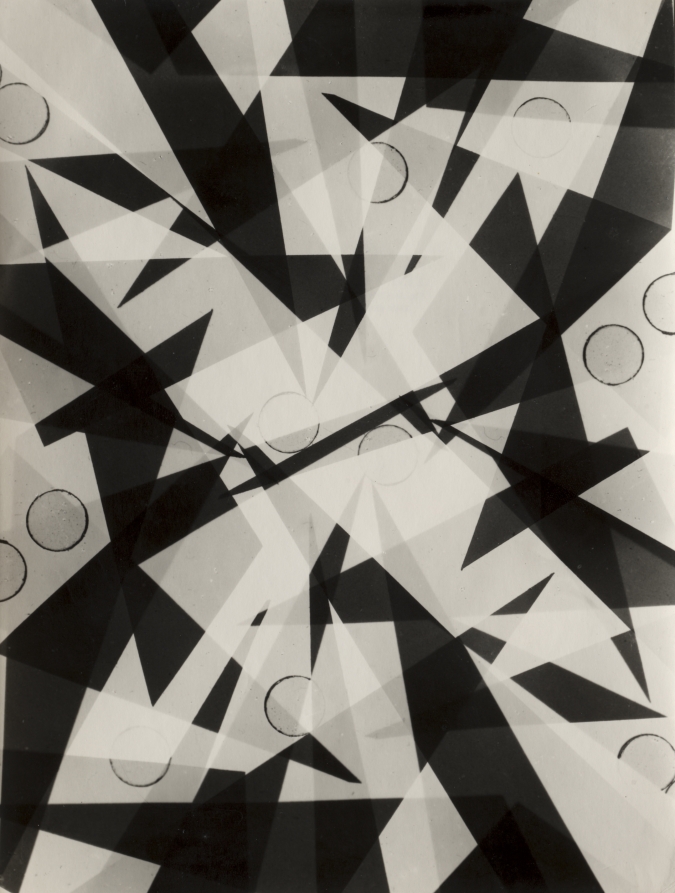
Geometric Abstraction: The 2026 Executive Silhouette
The internal DNA of Addison Fashion’s current research is anchored in a profound aesthetic paradox: the simultaneous existence of narrative depth and phenomenological presence. The referenced juxtaposition—Jacques-Louis David’s The Death of Socrates and a ceramic cup bearing the same name—serves as the conceptual crucible for our 2026 Urban Silhouette. The painting operates through representational depth, demanding intellectual decoding of historical allegory. The cup operates through existential depth, demanding only direct, unmediated encounter with its material reality. Our task is to synthesize these two modes into a singular, wearable geometry. The result is a silhouette that does not tell a story, but is a story of structure, space, and urban materiality.
Structural Poetics: The Geometry of Silence
1. The Rejection of Narrative Line
David’s composition relies on diagonal tension—Socrates’ raised arm, the falling chain, the reclining disciples—to create a dynamic, readable narrative. The 2026 executive silhouette rejects this. Instead, it adopts the cup’s axial stillness. The primary structural gesture is a vertical spine of uncompromising rectitude, from shoulder to hem. Shoulder pads are not padded but sculpted, cut from a single piece of rigid, matte Onyx wool. They project laterally at a precise 92-degree angle, creating a T-shaped frame that absorbs and neutralizes any diagonal movement. The jacket’s lapel is eliminated entirely, replaced by a clean, continuous collar that folds inward like a ceramic rim—a pure, unadorned boundary between body and air. This is the geometry of silence: no narrative, no gesture, only presence.
2. Volume as Void
Where David’s painting fills every inch with symbolic detail, the cup’s power lies in its negative space—the hollow interior that defines its function. Our silhouette inverts this. The torso is a negative volume, carved out from a monolithic block of fabric. The jacket is cut with zero ease at the shoulders and chest, then releases into a subtle, controlled A-line below the waist. This is not a flare; it is a geometric expansion, like the widening mouth of a vessel. The trousers mirror this: a high, rigid waistband that grips the hip, then falls in a straight, unbroken column to the floor. The hem is weighted with a hidden chain, ensuring the fabric hangs with absolute verticality. The body is not draped; it is contained within a precise, volumetric shell.
3. The Seam as Fracture
The cup’s abstract swirl of cobalt and indigo is not a narrative but a material event—a record of the maker’s hand and the kiln’s heat. In our silhouette, the seam becomes this event. Traditional tailoring hides seams; we expose and exaggerate them. The jacket’s side seams are shifted forward by 3 centimeters, creating a deliberate asymmetry that disrupts the expected symmetry of the body. These seams are not stitched but welded using a thermoplastic bonding technique, leaving a raised, scar-like ridge. The back seam of the trousers is similarly displaced, running not down the center but along the outer edge of each leg, creating a visual fracture that echoes the ceramic glaze’s crackle. These are not functional seams; they are structural poems, lines of tension that define the silhouette’s internal logic.
Urban Materiality: The Phenomenology of Onyx
1. The Fabric as Object
David’s painting uses oil paint to simulate textures—flesh, cloth, metal. The cup uses glaze to become texture. Our materiality follows the cup. The primary fabric is a double-faced wool-cashmere blend, woven at a density of 420 grams per square meter. It is not soft; it is rigid, with a hand that feels like compressed felt. The surface is finished with a nano-coating of matte Onyx pigment, creating a non-reflective, almost porous appearance. Under direct light, it absorbs rather than reflects, producing a depth that is not optical but tactile. This is the urban equivalent of the ceramic glaze: a surface that declares its own materiality without recourse to illusion.
2. Hardware as Anchor
The cup’s handle is a functional appendage, but its form is abstract—a loop that completes the object’s geometry. Our hardware follows this logic. Buttons are eliminated. Closures are achieved through magnetic alloy discs, set flush into the fabric. Each disc is 3 centimeters in diameter, with a brushed Onyx finish that matches the fabric. They are placed not at the center but at the structural nodes of the garment: one at the clavicle, one at the solar plexus, one at the navel. They do not fasten; they anchor, creating points of visual gravity that pull the eye downward, reinforcing the vertical axis. A single, oversized disc at the left hip serves as a counterweight, echoing the cup’s asymmetrical swirl.
3. The Urban Canvas
The 2026 executive silhouette is designed for the vertical city—glass, steel, concrete, and shadow. The Onyx color is not a choice but a necessity. It is the color of wet asphalt at midnight, of the gaps between skyscrapers, of the void that defines the urban grid. The silhouette’s rigid geometry mirrors the city’s own: the straight lines of subway tunnels, the right angles of office towers, the negative spaces of plazas. To wear this silhouette is to become a mobile architectural element, a piece of the city that moves through the city. The fabric’s matte surface absorbs ambient light, making the wearer a shadow among shadows, a presence that is felt rather than seen—like the cup’s silent existence.
Conclusion: The Synthesis of Depth
David’s painting demands that we read Socrates. The cup demands that we face it. The 2026 executive silhouette demands both. Its geometric abstraction is not a rejection of narrative but a transformation of narrative into structure. The story is no longer told through gesture or symbol but through line, volume, and material. The wearer does not perform a role; they inhabit a form. This is the deeper beauty: not the depth of meaning, but the depth of being. In the urban landscape, where every surface is a sign, the Onyx silhouette is a sign that signifies nothing but itself. It is the ultimate luxury: the luxury of presence without pretense, of geometry without ornament, of silence without emptiness. This is the definitive Urban Silhouette for 2026.